Architecture

Cane Hill

What makes Cane Hill significant and unique

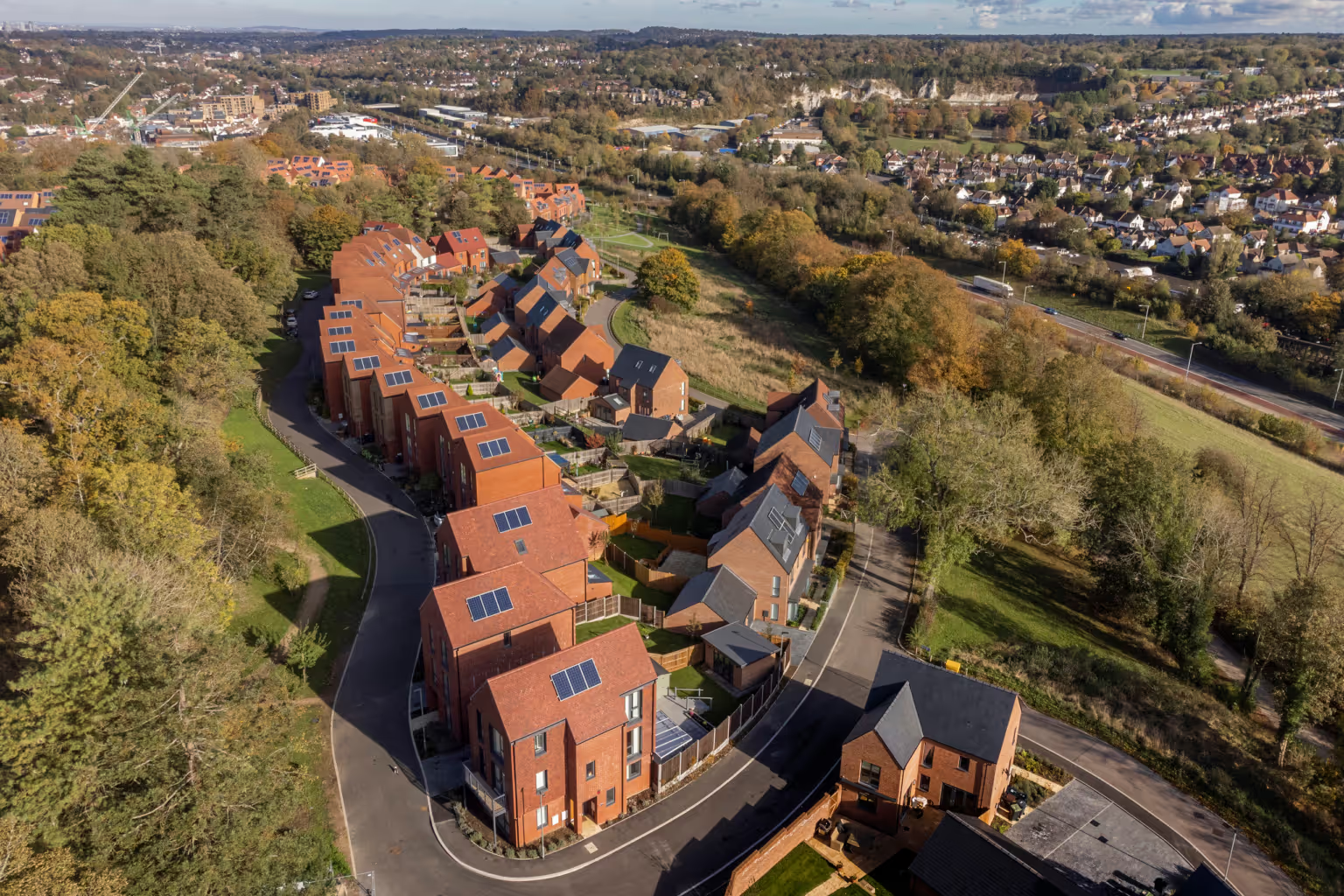
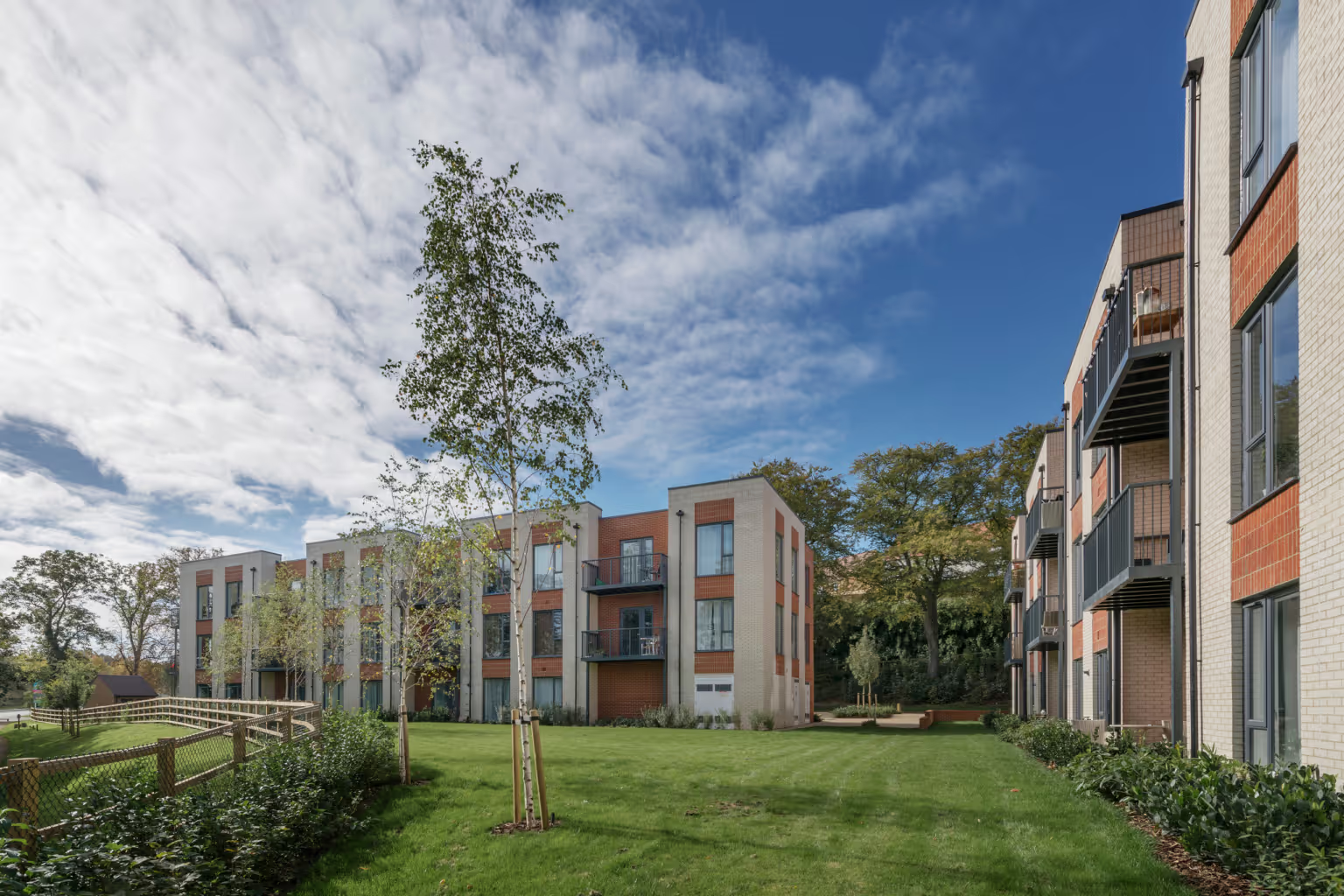
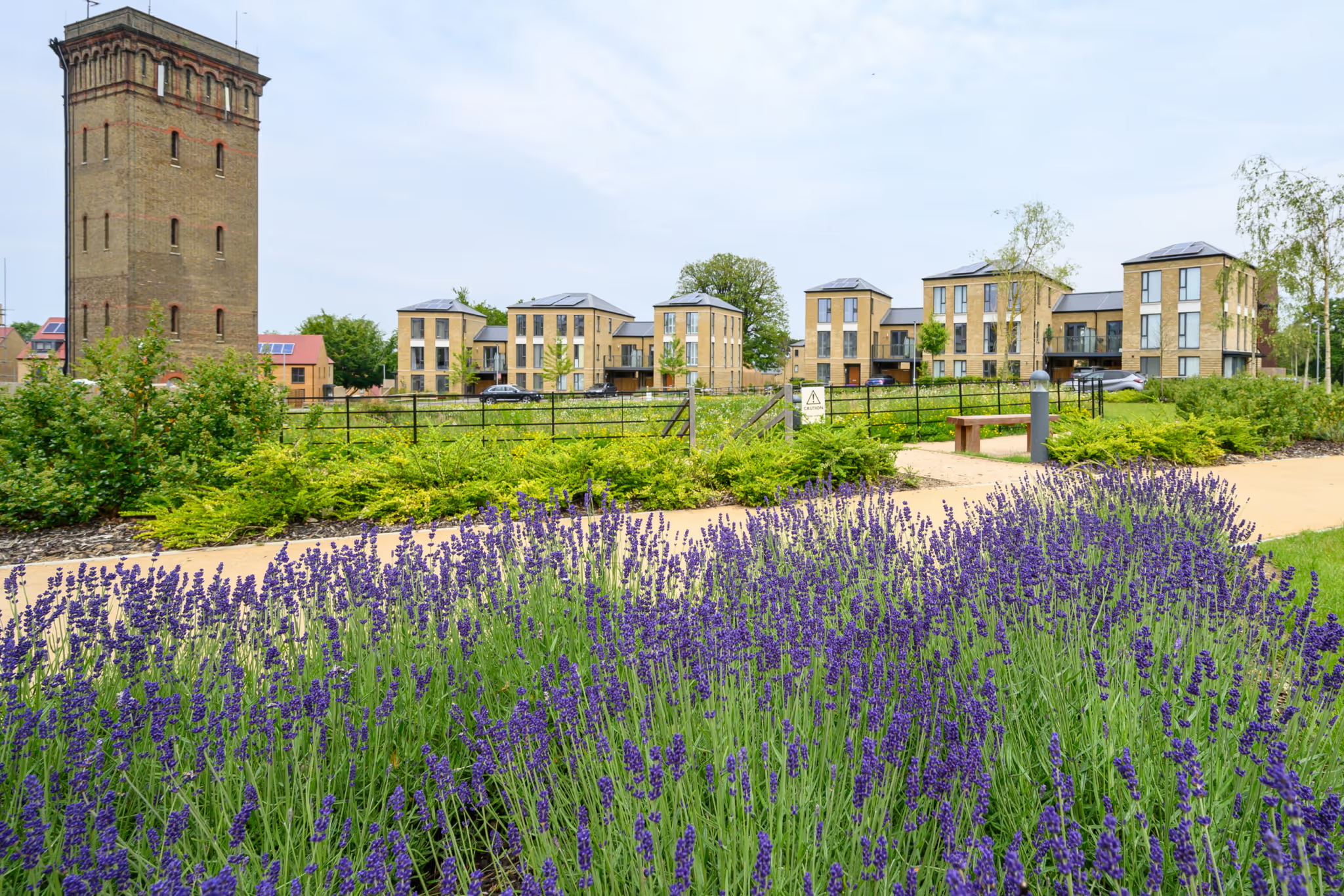
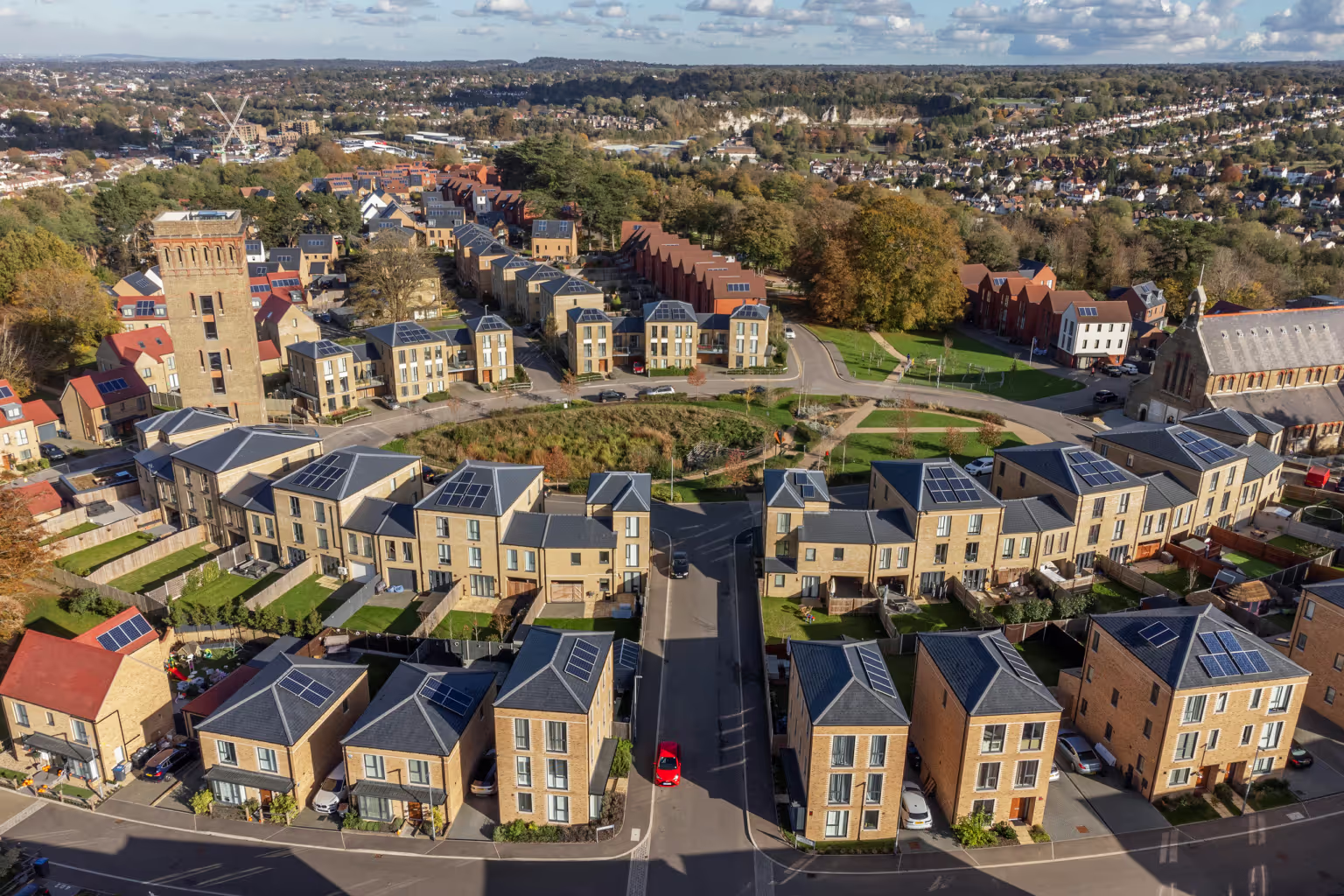
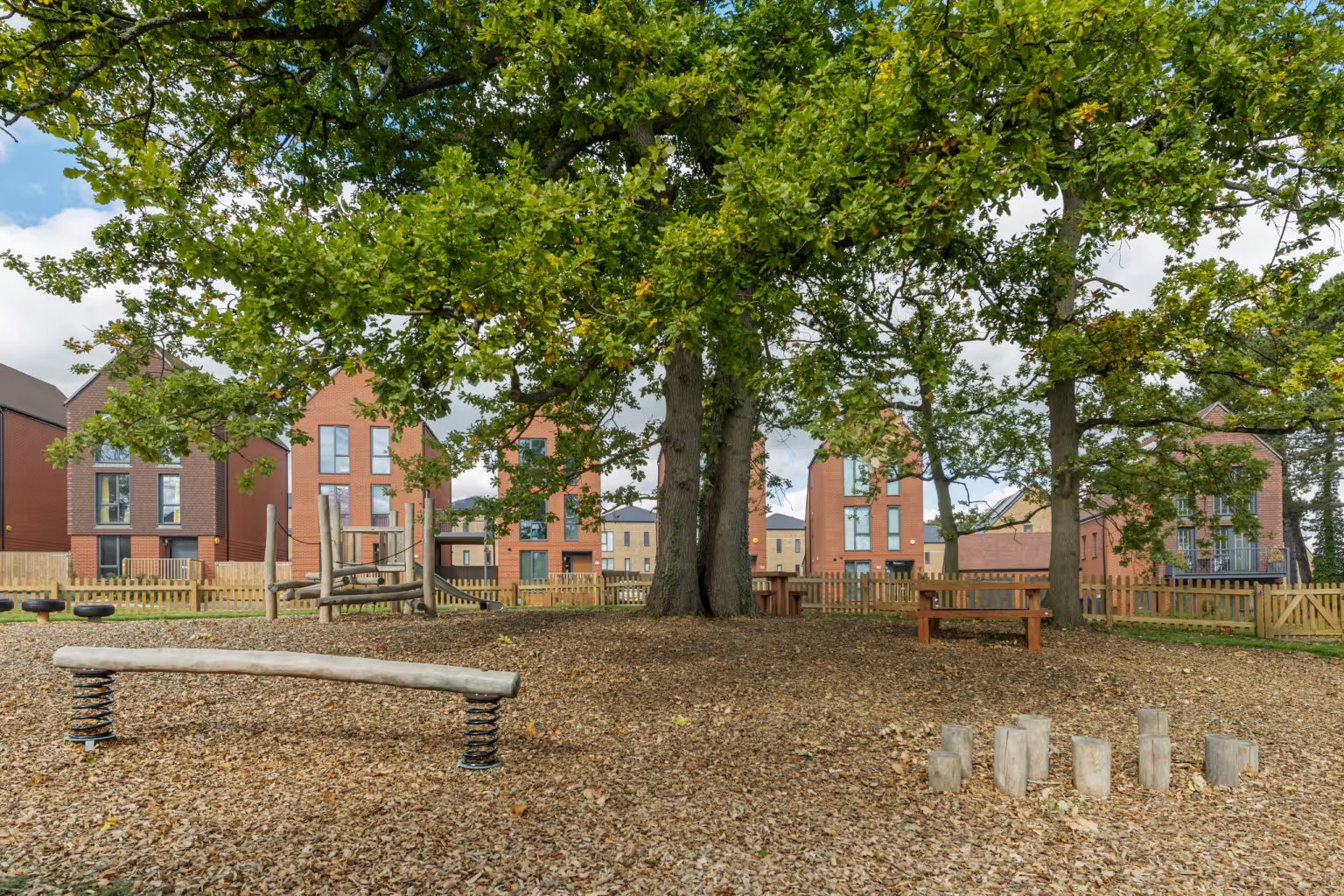
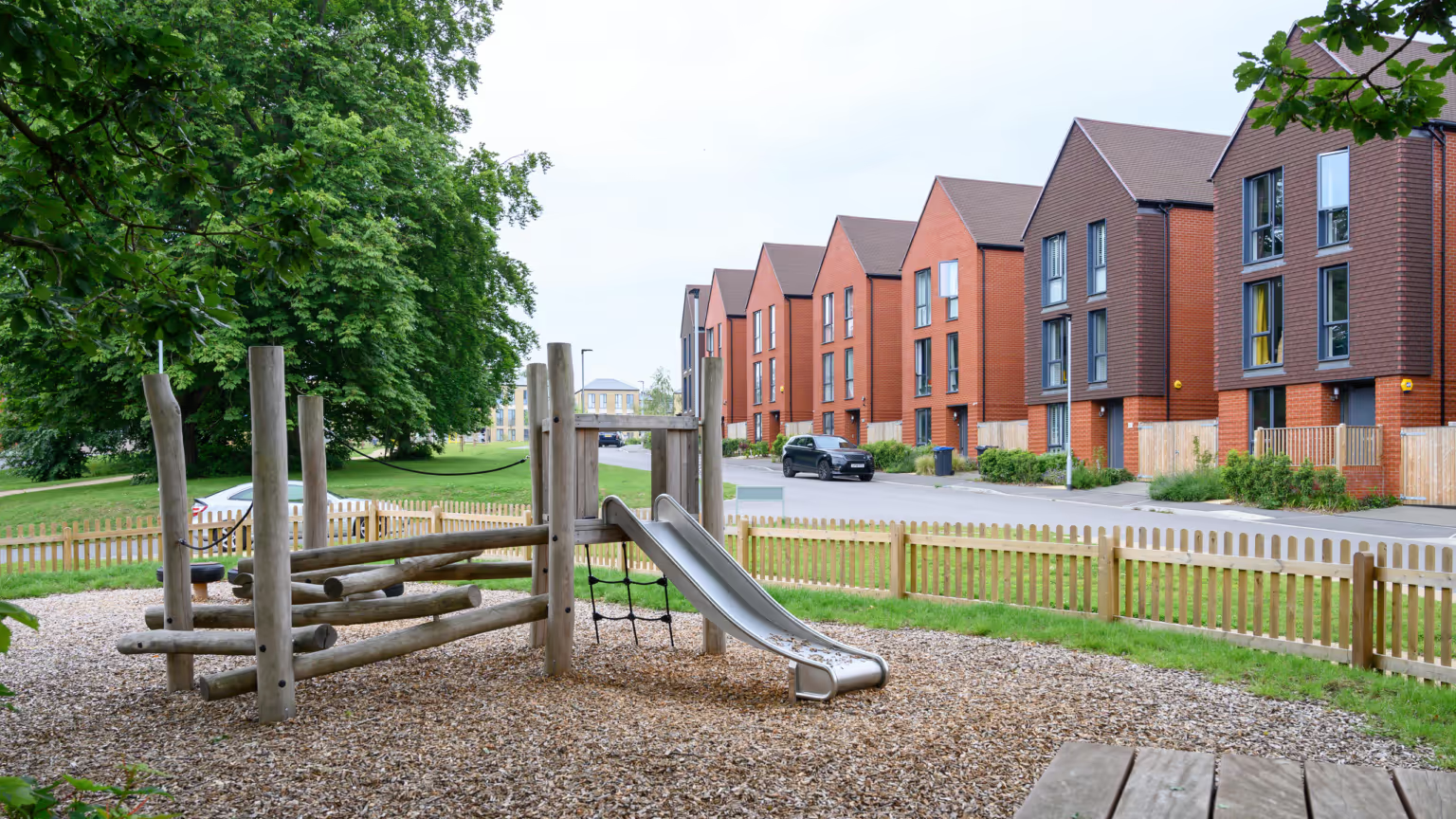
Coulsdon Town centre forms part of the Croydon regeneration area, Cane Hill is a suburban extension celebrating the natural and historic character of an established site. Homes were planned around existing trees giving the development an established and settled feel and preserving ecosystems. At all points, the character of the existing topography, long views of the site and the existing trees have driven the design resulting in housing strongly related to the natural context. A network of green spaces has been provided to unlock access to the countryside for the new and existing community.
Cane Hill
Cane Hill
Cane Hill
No items found.

How are the homes at Cane Hill designed for quality?

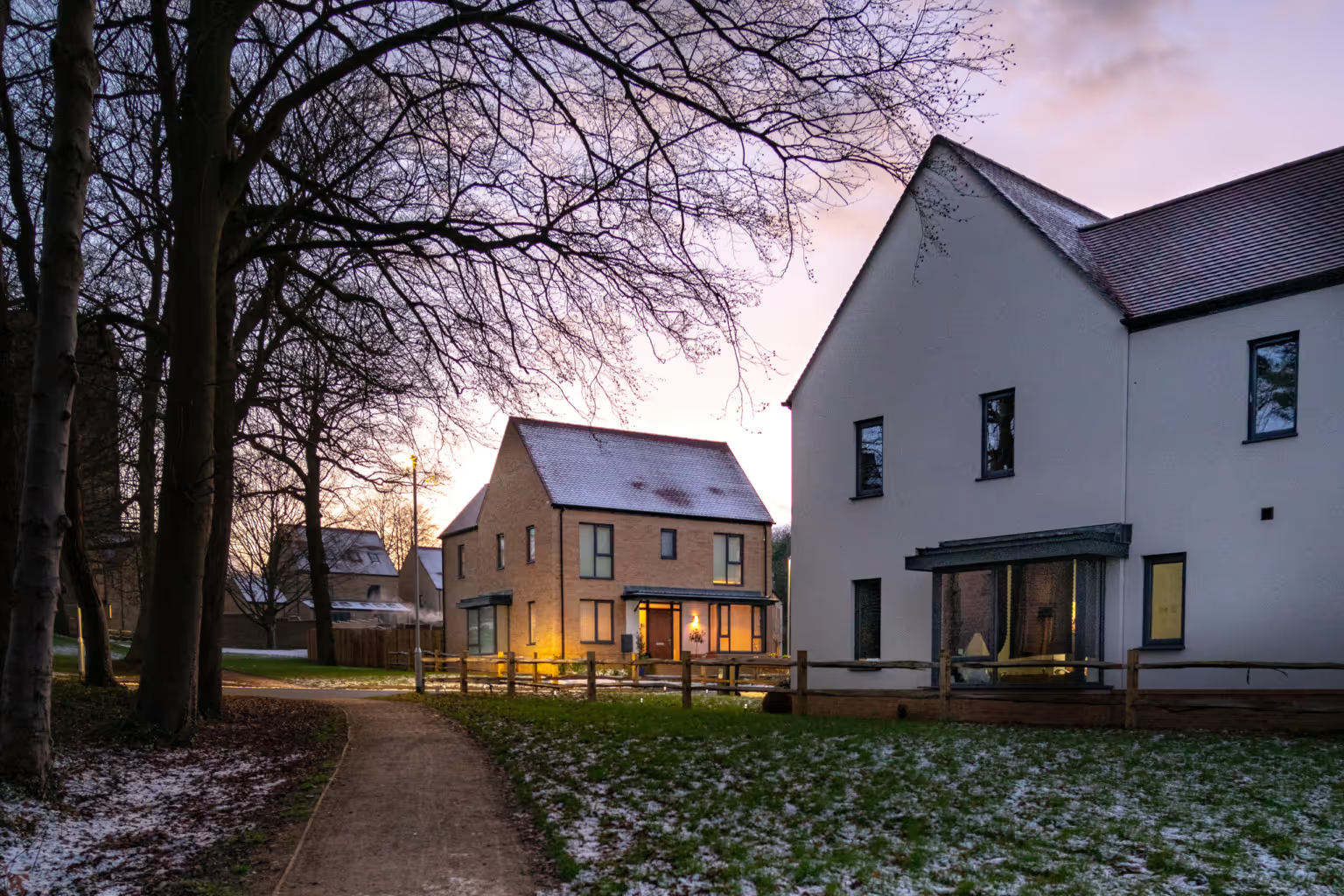
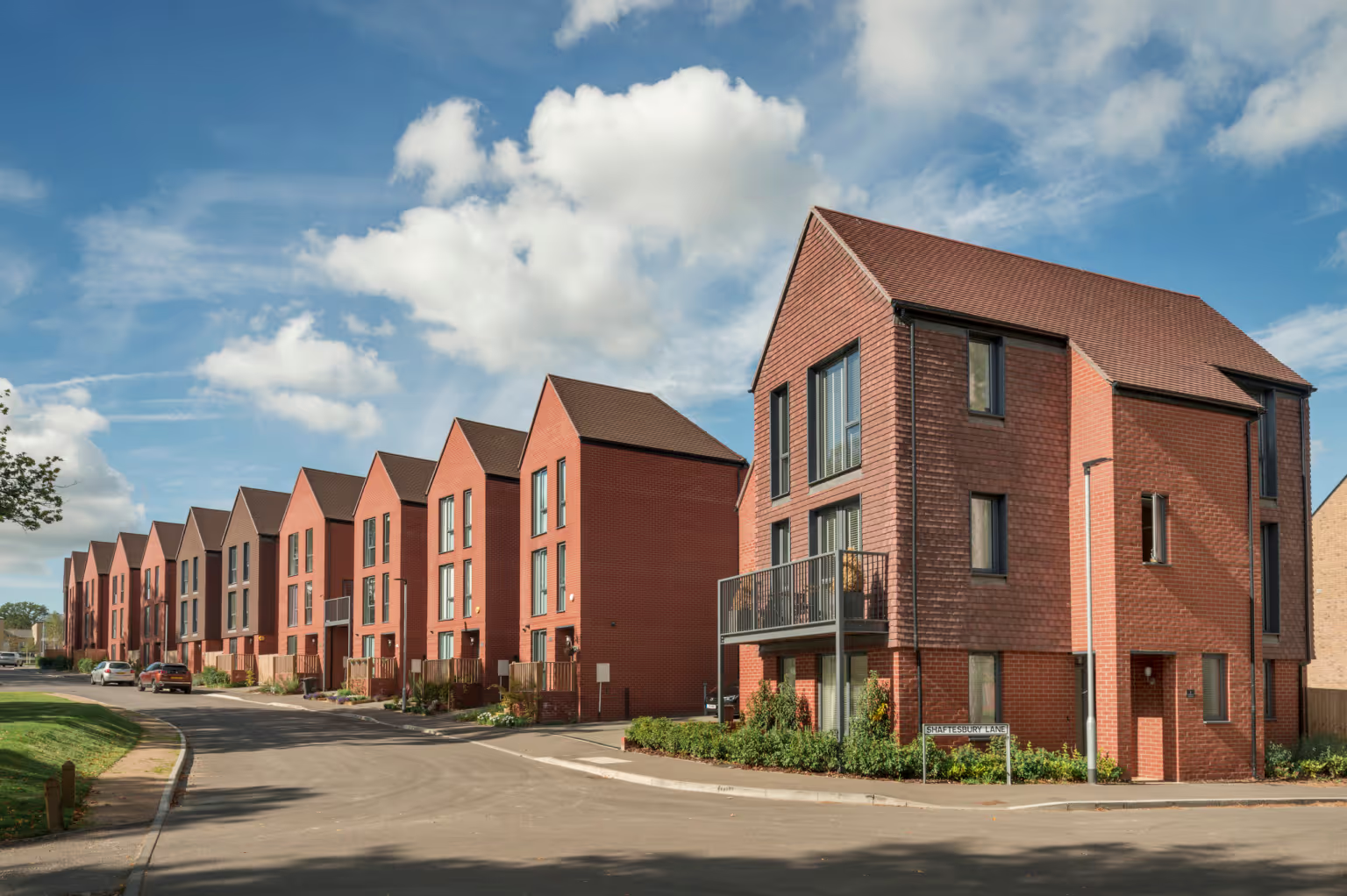
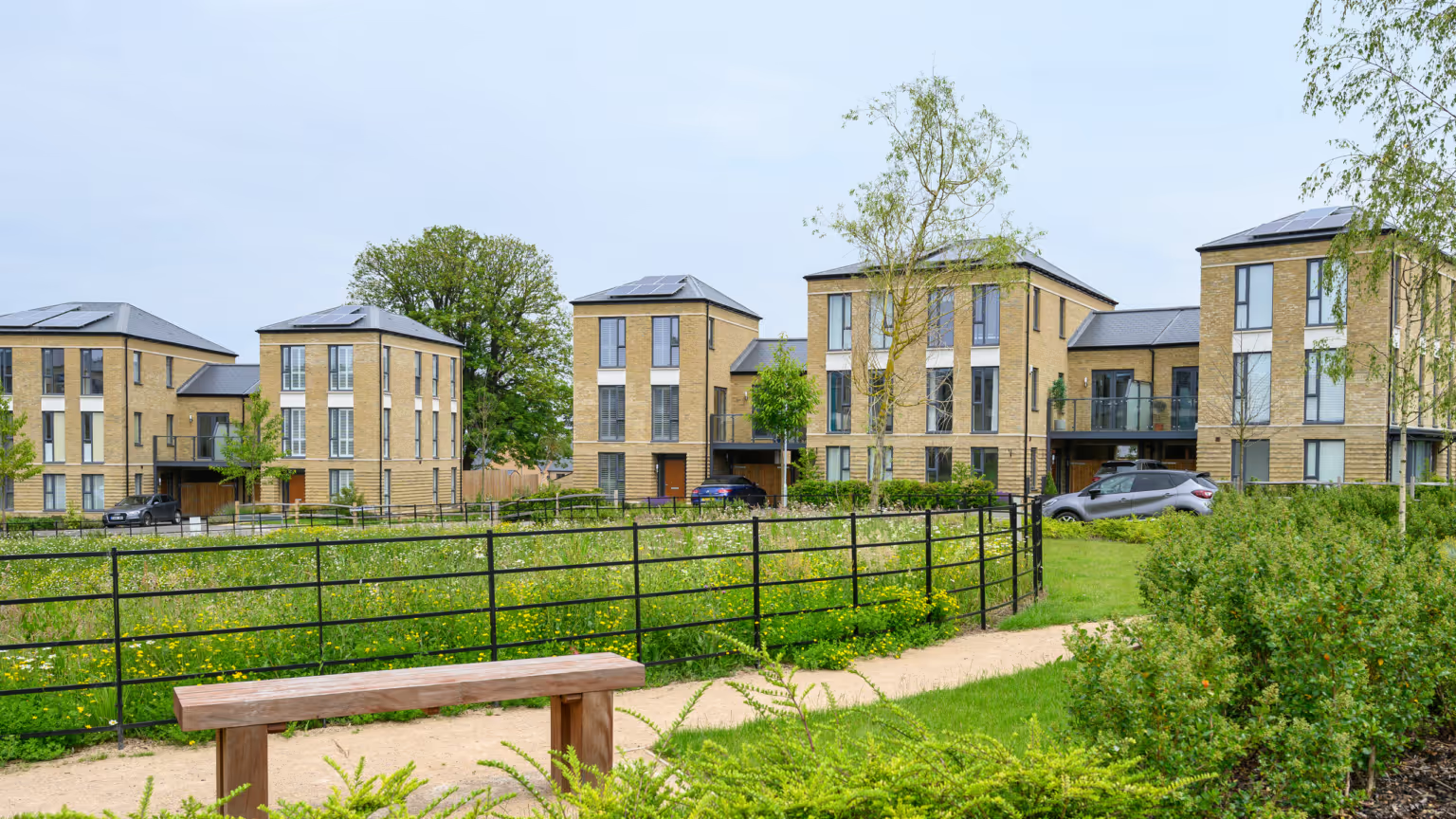
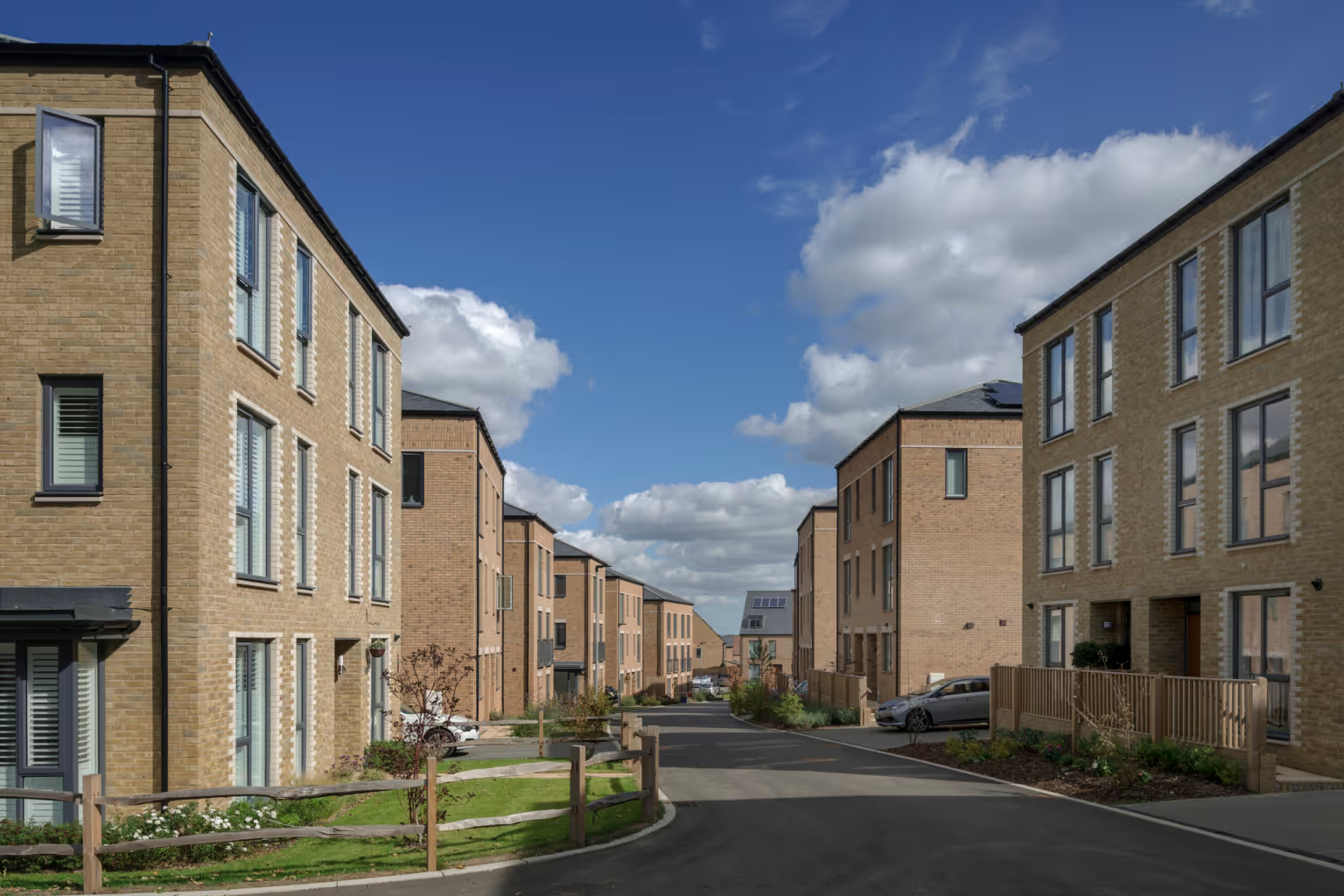
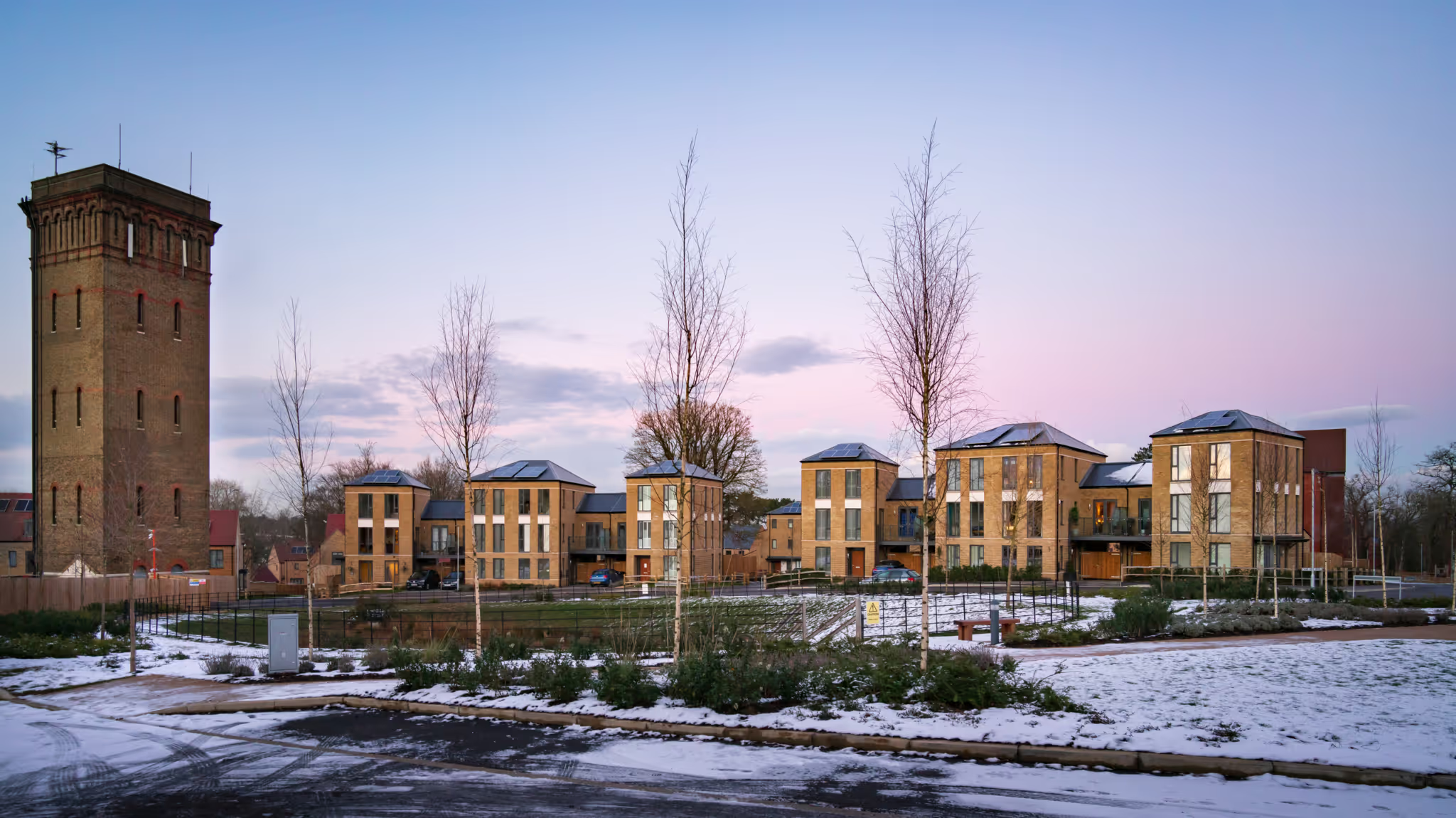
A variety of homes of different scales and tenures have been provided for our client Barratt, 25% of which are affordable homes. The architecture has been designed to respect the character of the local area. The warm toned masonry used for the new homes is in keeping with the materiality of the preserved water tower and chapel. The homes have a contemporary feel with clean, simple lines. Generous windows provide a human scale, and brick corbelling provides visual interest. Garages and car parks are placed on plots behind the building line to minimise the impact of cars on public spaces. All homes are carefully positioned to ensure clear views out of windows and a positive relationship with the site’s topography and retained mature trees.
Cane Hill
Cane Hill
Cane Hill
Cane Hill
No items found.

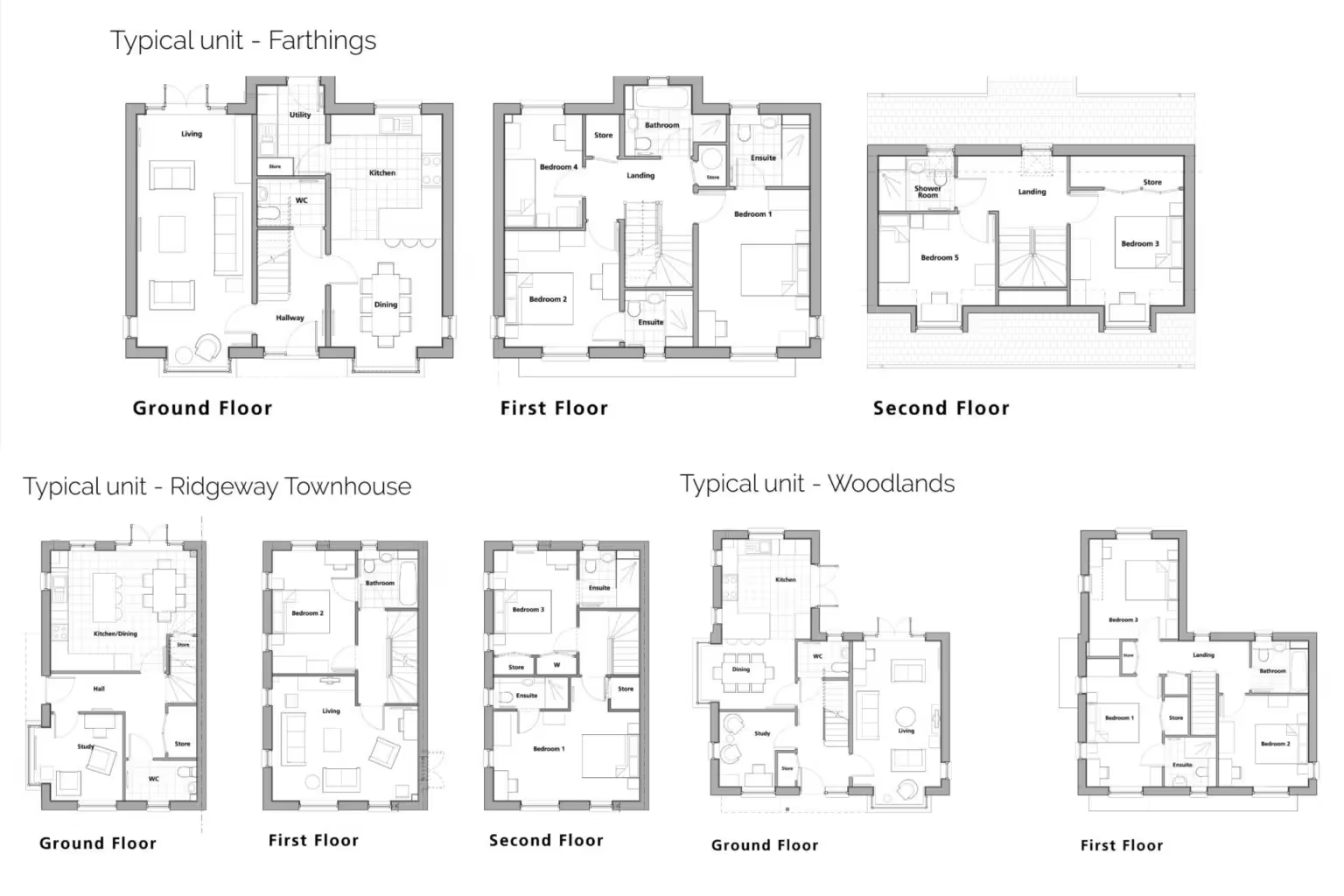
Cane Hill Park explores how new neighbourhoods can integrate with their context, create a diverse range of homes that share a common basis and embrace the opportunities of a mature landscape with a rich heritage. A Design Code captured this process and was incorporated into the planning process. HTA's team designed a range of details for all the critical elements of the façade, and we returned to the site regularly to review where designs had been successful and where there was scope to further improve aspects of both the design and the delivery in subsequent phases. Detached houses are arranged in gentle sweeps to follow the hillside's contours and reduce the impact on views. At all points, the character of the existing topography, long views of the site, and the existing trees have driven the design, resulting in housing strongly related to its natural context. Phase 1 comprises houses from 2 to 3 storeys in height, providing accommodation ranging from 2 to 5 bedrooms for diverse housing needs.
Cane Hill
Cane Hill
Cane Hill
No items found.

How was heritage preserved to bring identity?

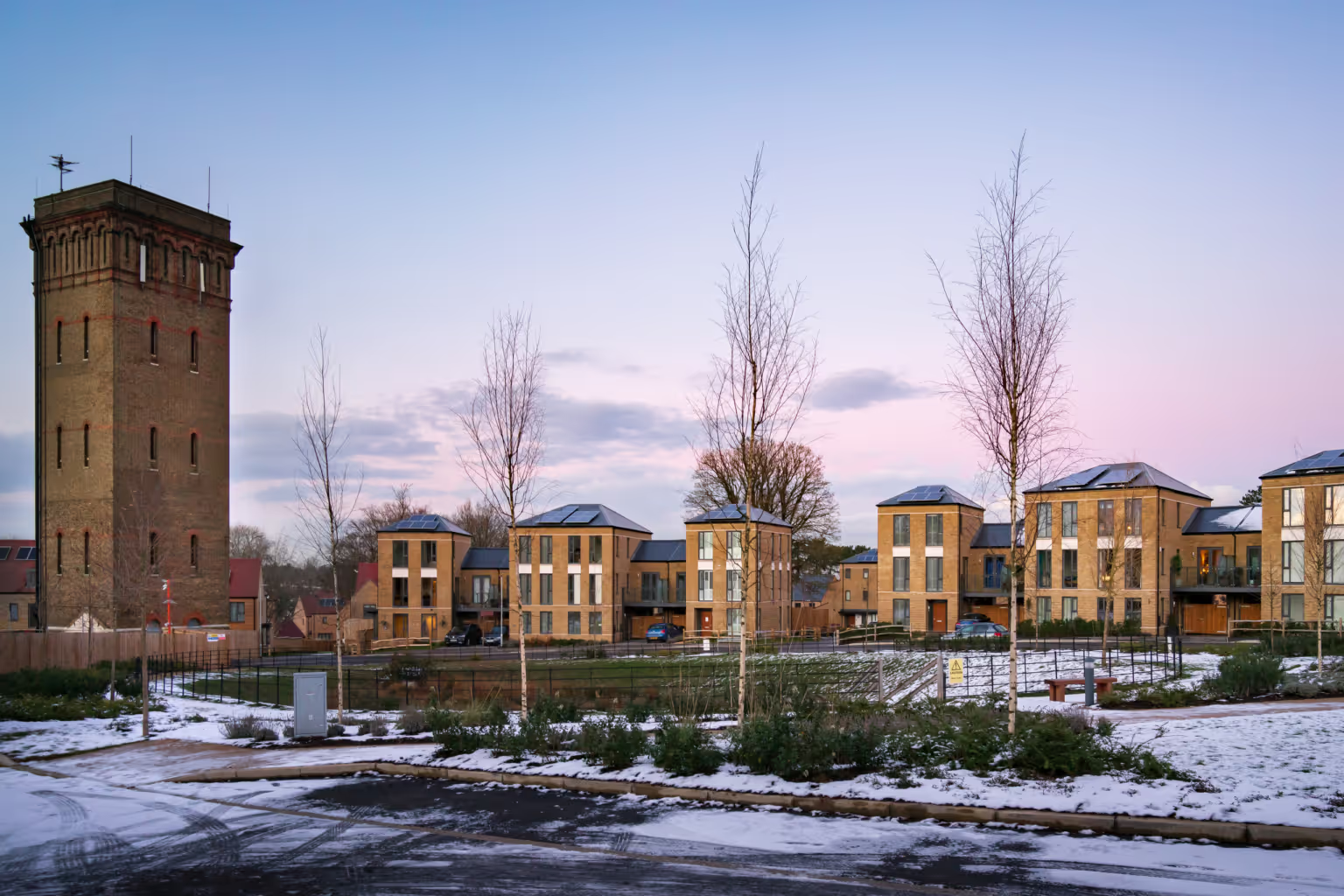
Pre-existing, locally listed heritage structures including a water tower and the hospital chapel and administrative building have been preserved and carefully stitched into the masterplan for the site framing the new village green. The chapel has been repurposed as a community building and the water tower creates a distinctive landmark for this new hillside site. Today, these buildings are at the heart of defining Cane Hill as a unique place, providing focal points that aid navigation and echo the site’s historic radial composition creating a new village green at the crown of Cane Hill.
Cane Hill
No items found.

How are homes arranged for integration into the landscape?

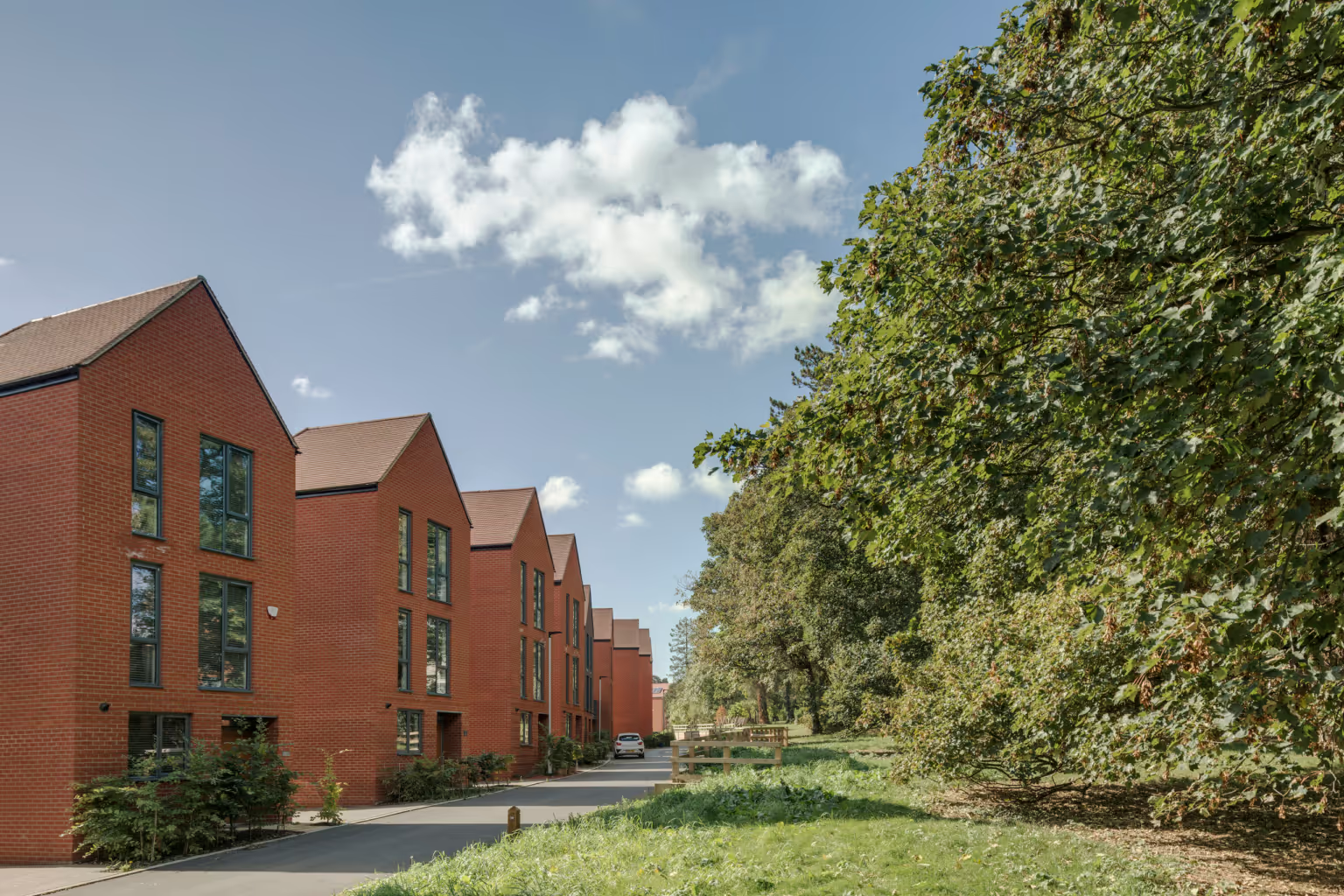
The development is organised into distinct character areas which use a different design approach tailored to the specific qualities of each part of the site. A central ridge of mature trees forms a linear park bordered by the formal terrace of gable fronted houses, forming the Ridgeway character area. Detached houses are arranged in gentle sweeps to follow the contours of the hillside and reduce the impact on views. At all points the character of the topography, long views onto the site, and the existing trees, have driven the design, resulting in housing that relates strongly to context.
Cane Hill
Cane Hill
Cane Hill
Cane Hill
No items found.