Architecture

College Road

How does College Road contribute to the renewal of the cultural quarter of Croydon

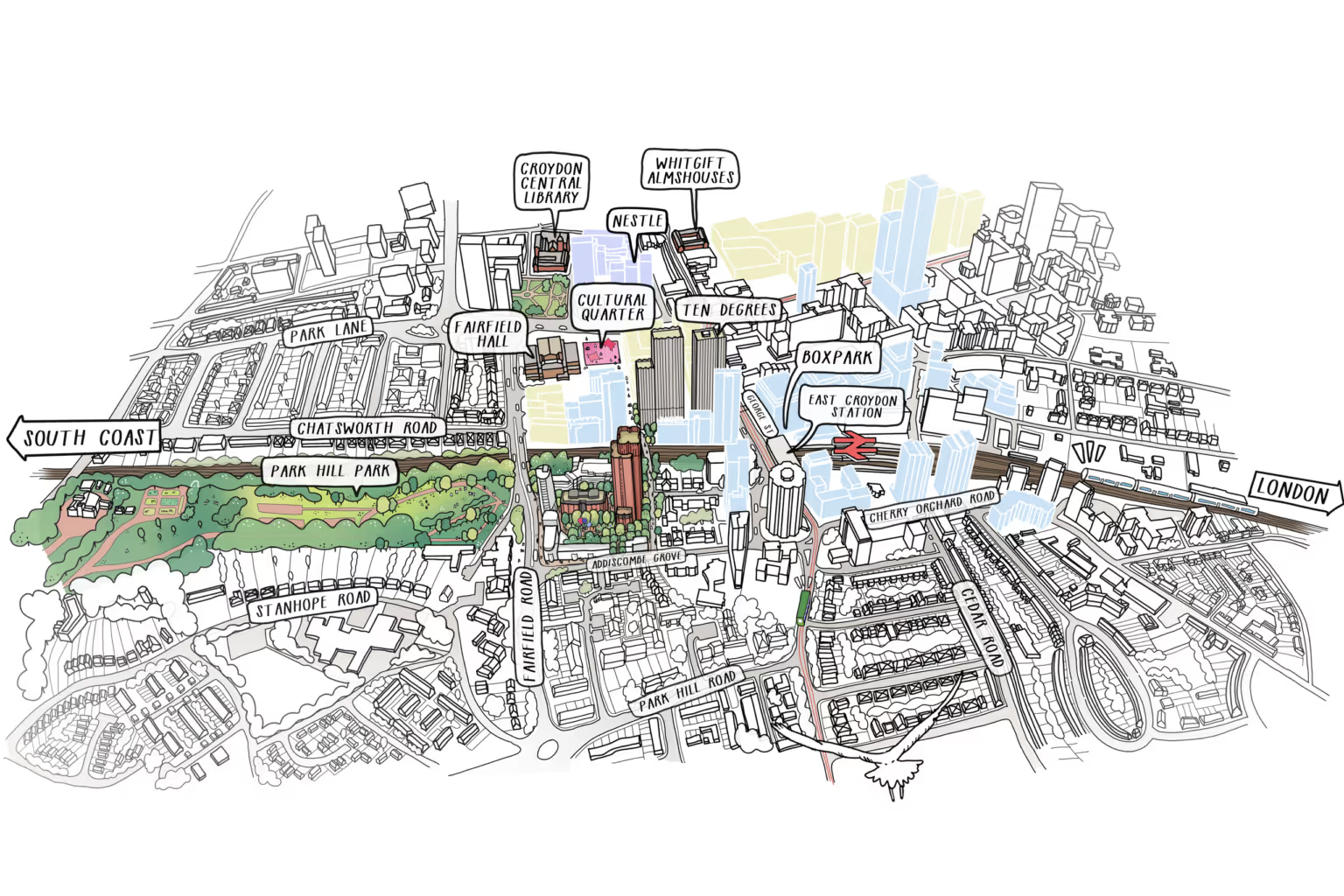
College Road contributes to Croydon’s civic life by implementing the next phase of its masterplan to revamp the cultural quarter. The masterplan is centred on the recently renovated Fairfield Halls, which will be connected to future public realm improvements, new homes, and a restored pedestrian footbridge that links pedestrian connections to the east through a new public route framed by a colonnade. Incorporating this public route into the site was a significant challenge as the total site area was limited to 2,000 sqm. Our solution was to cut back the lower three floors from the typical floor plate, which opened up the area and created a more spacious zone.
College Road
College Road
College Road
No items found.

What's the significance of the tiled columns used in the new pedestrian route

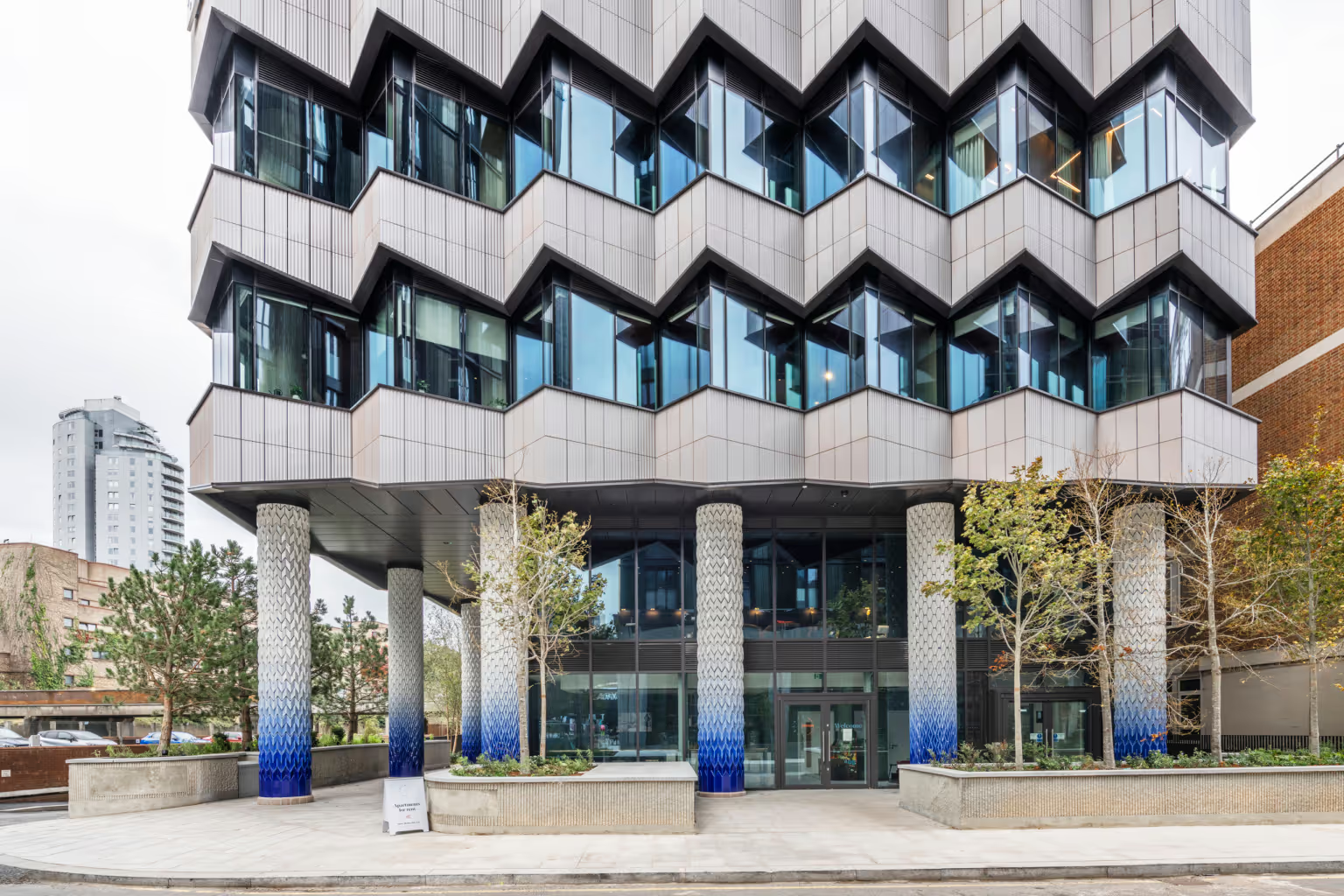
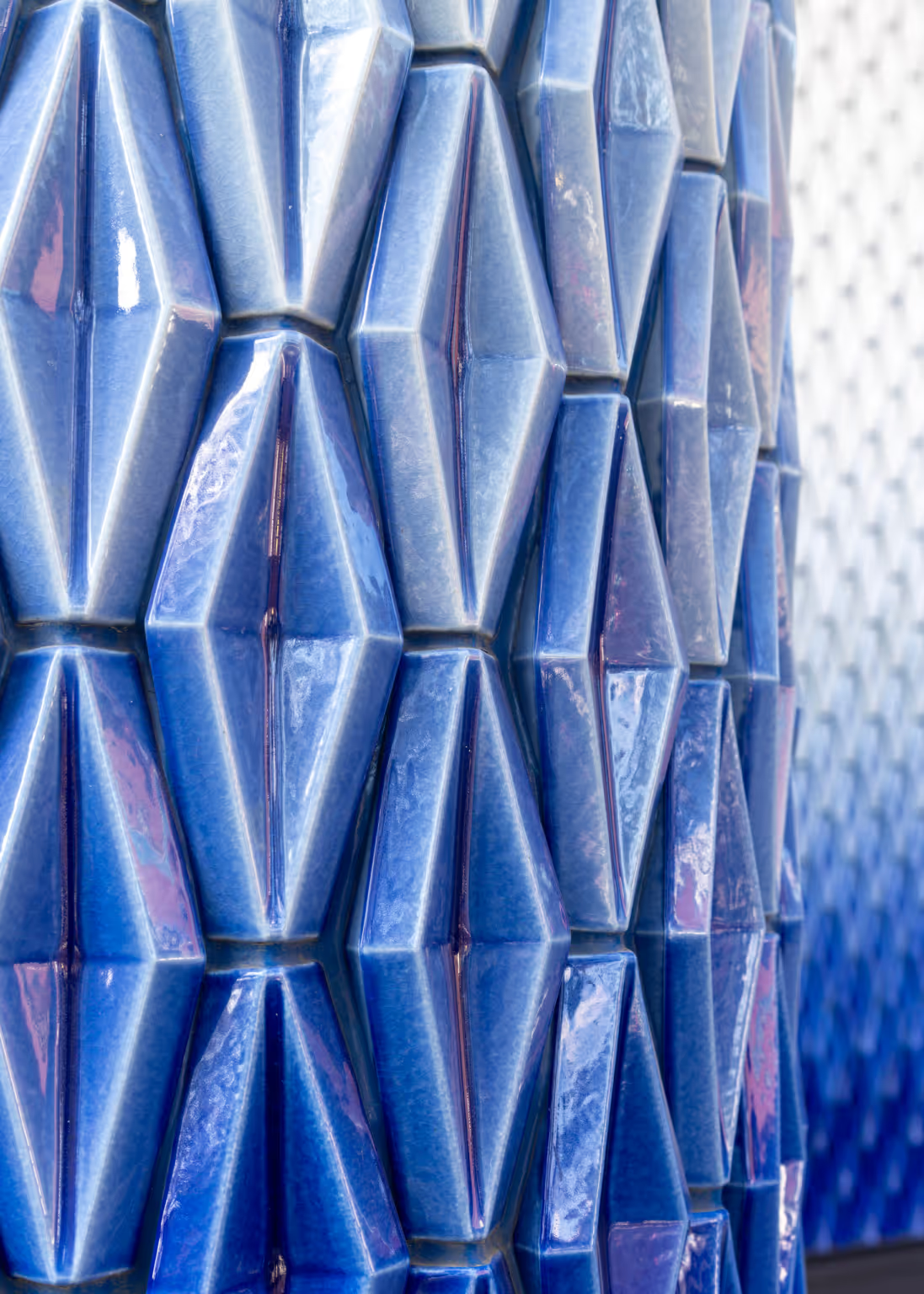
The new pedestrian route features public art at an impressive scale. The artwork includes 16 columns, each between 6 and 7 meters tall and around 900mm in diameter. The columns are adorned with sculpted British porcelain tiles, which artist Adam Nathaniel Furman designed. He previously collaborated with HTA on the public art sculpture for the adjacent Ten Degrees development's winter garden. Adam worked closely with HTA's team and the craftsmen at Craven Dunnill Jackfield to create two unique hand-crafted tile designs and a range of glazes that matched the building's aesthetic.
College Road
College Road
No items found.

The glazes range from a deep indigo blue at the base to white at the top, with a subtle gradient of over 30 tiles in height. Nearly 14,000 tiles were produced, working together with the factory in Shropshire, which has been firing ceramics for over 150 years. As part of this process, Adam Nathaniel Furman mentored art students from Croydon College, who gained insight into designing, gaining approval for, manufacturing, and installing public art. The colonnade at the north end of the building frames a public-facing café space yet to open, while to the south, it culminates in a series of community spaces at the base of the shoulder buildings. The southern elevation will eventually open to the new public realm, which connects a new pedestrian footbridge to the intended Fair Fields public realm.
College Road
College Road
College Road
No items found.

How did the mid-century vision influence the design of the building

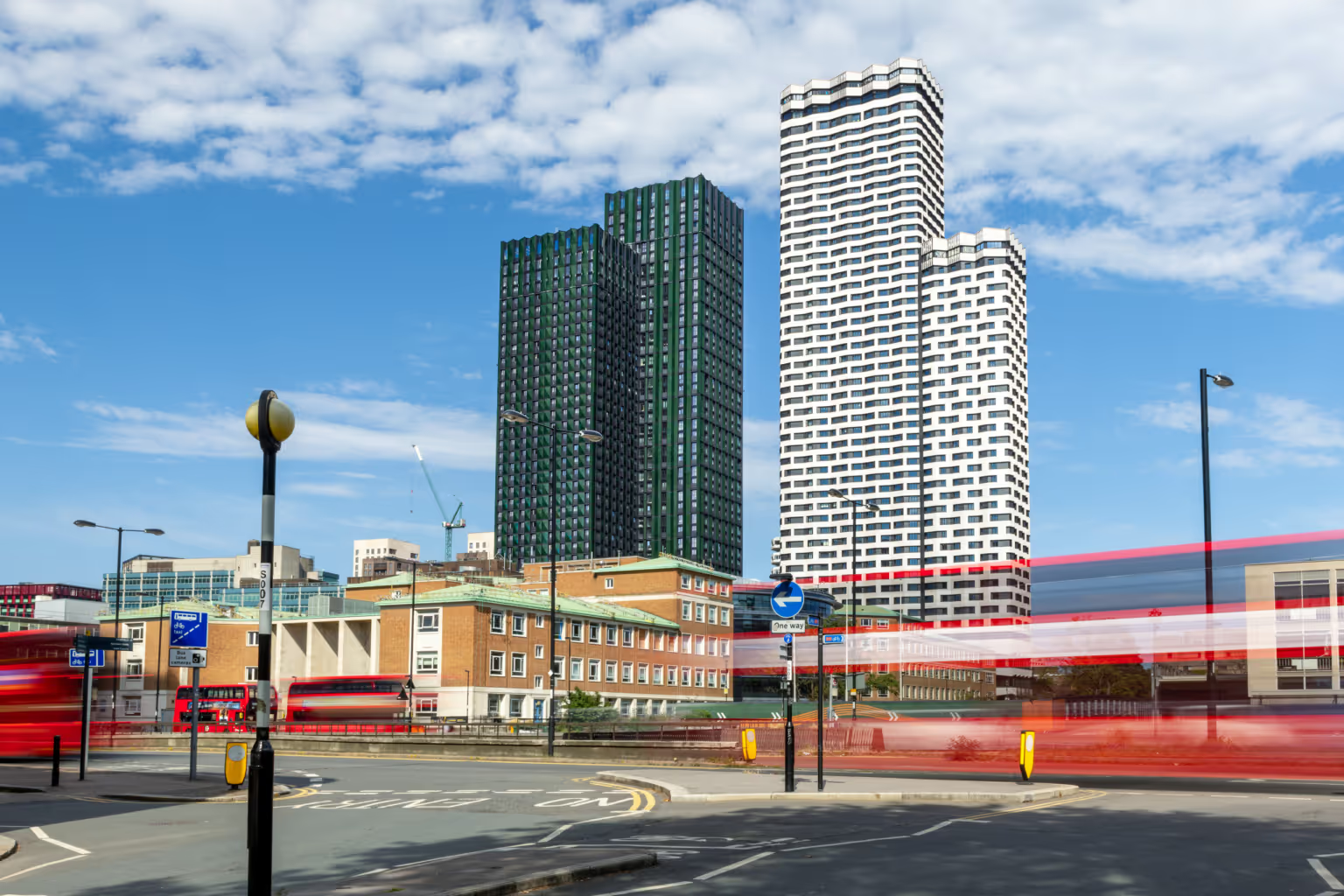
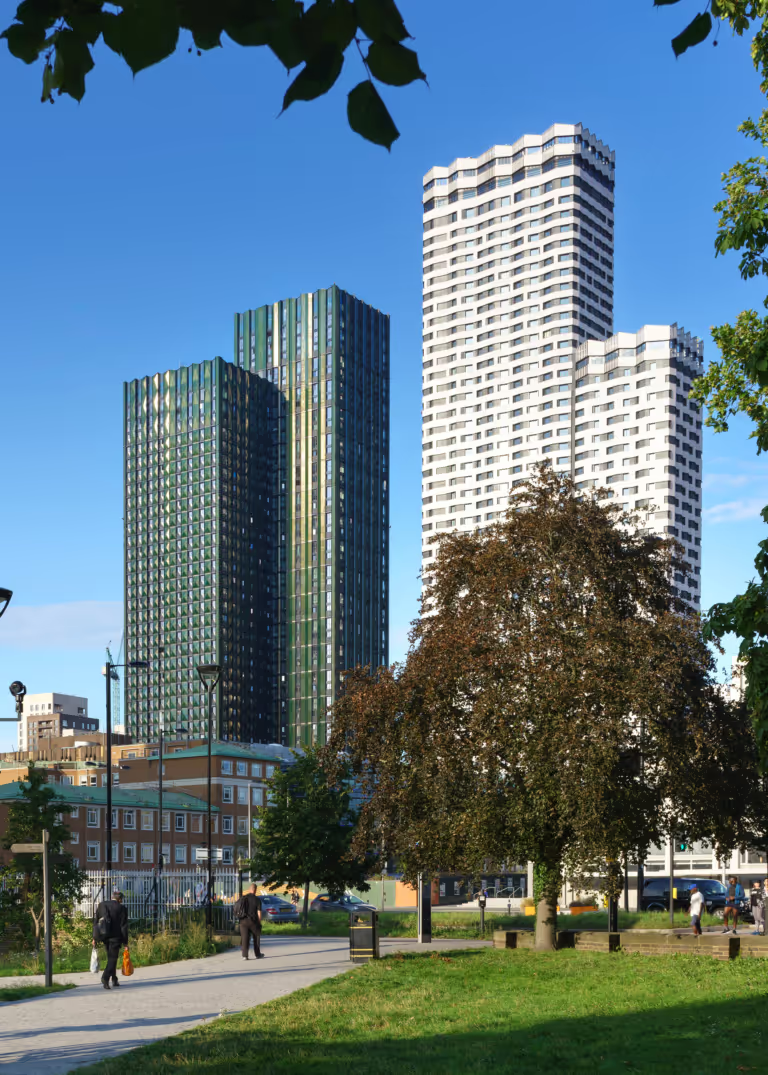
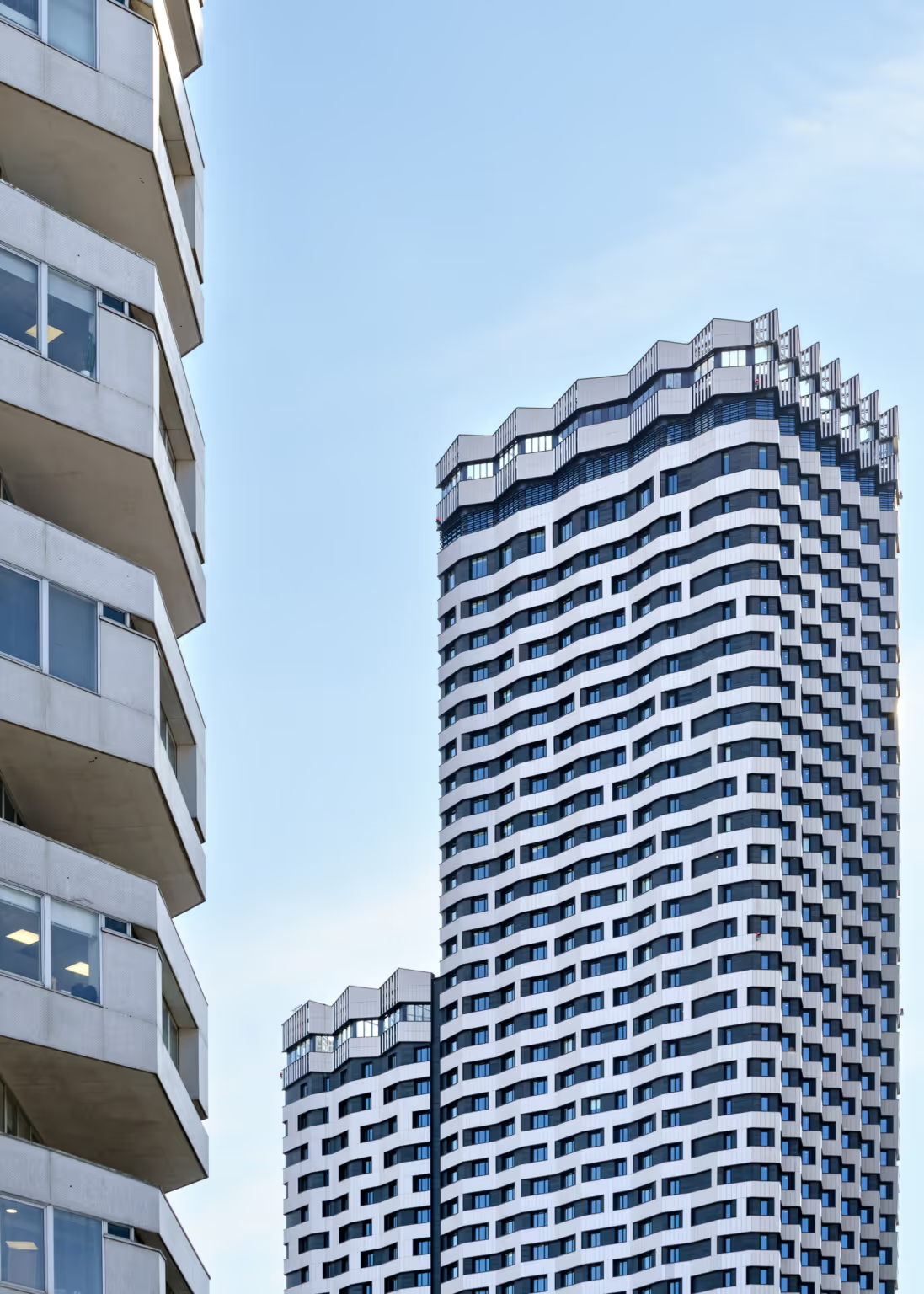
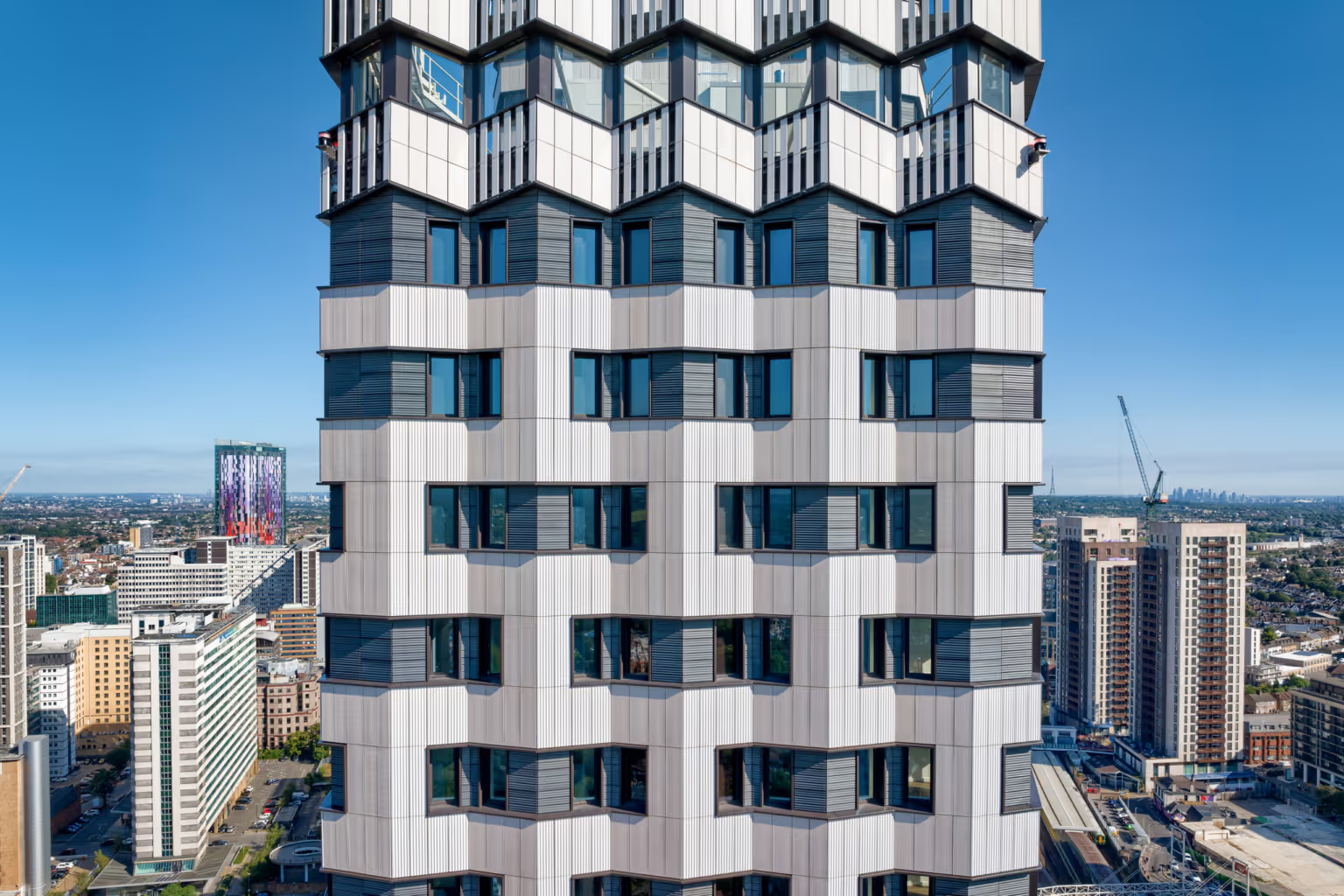
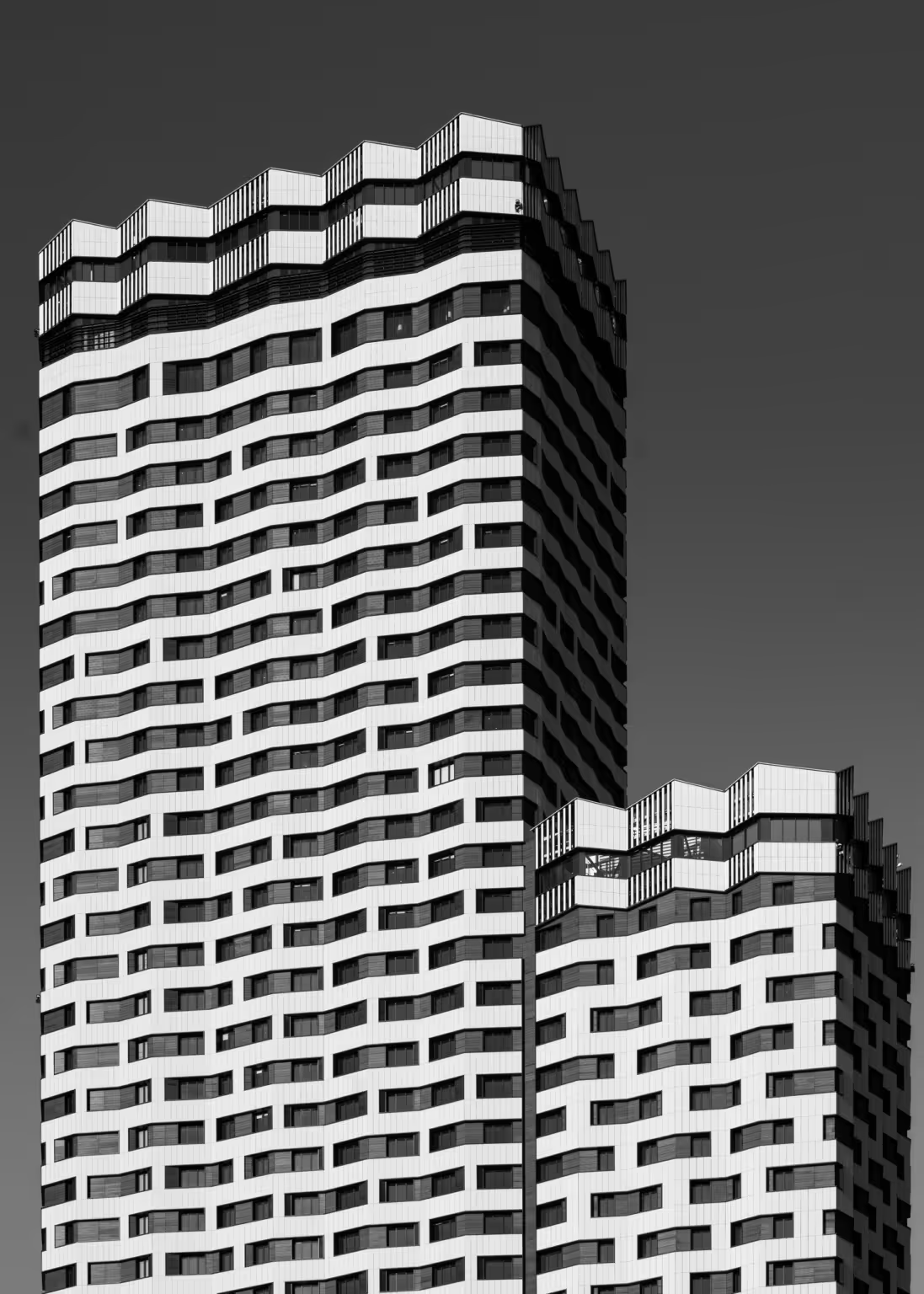
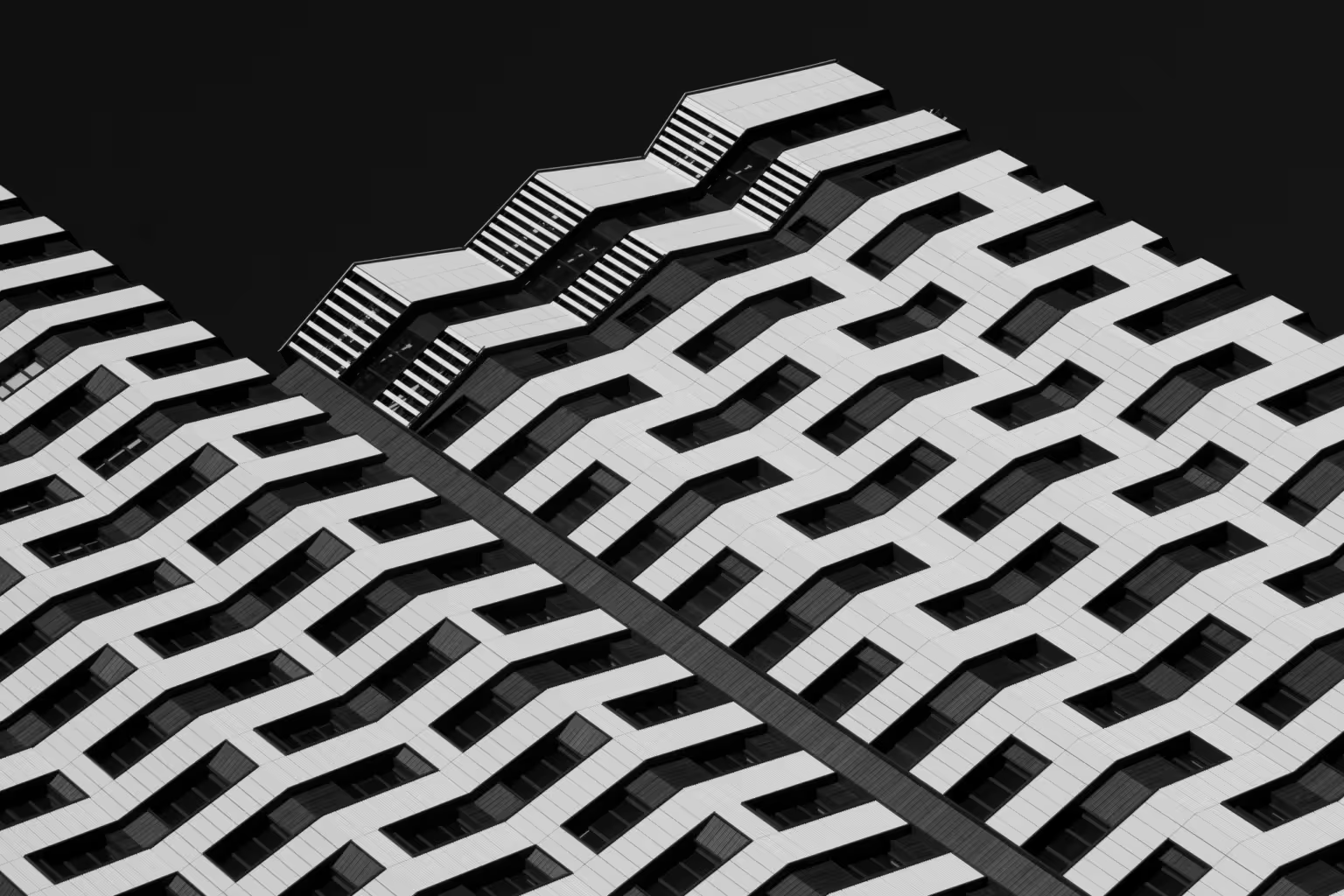
HTA, working in collaboration with Tide’s in-house design team, took inspiration for the building from the hopeful mid-century vision upon which much of Croydon was built. The South London town saw an influx of development in the 1950s and 1960s that included Richard Seifert’s renowned brutalist NLA building, which strongly influenced the bold articulation of College Road’s ceramic façade. Mid-century modernist-style repetition creates a striking new geometric landmark, with the building’s appearance evolving subtly with height thanks to a varying configuration of ceramic tiles at the base, middle, and top of the tower.
College Road
College Road
College Road
No items found.

What was the inspiration behind the use of white glazed tiles

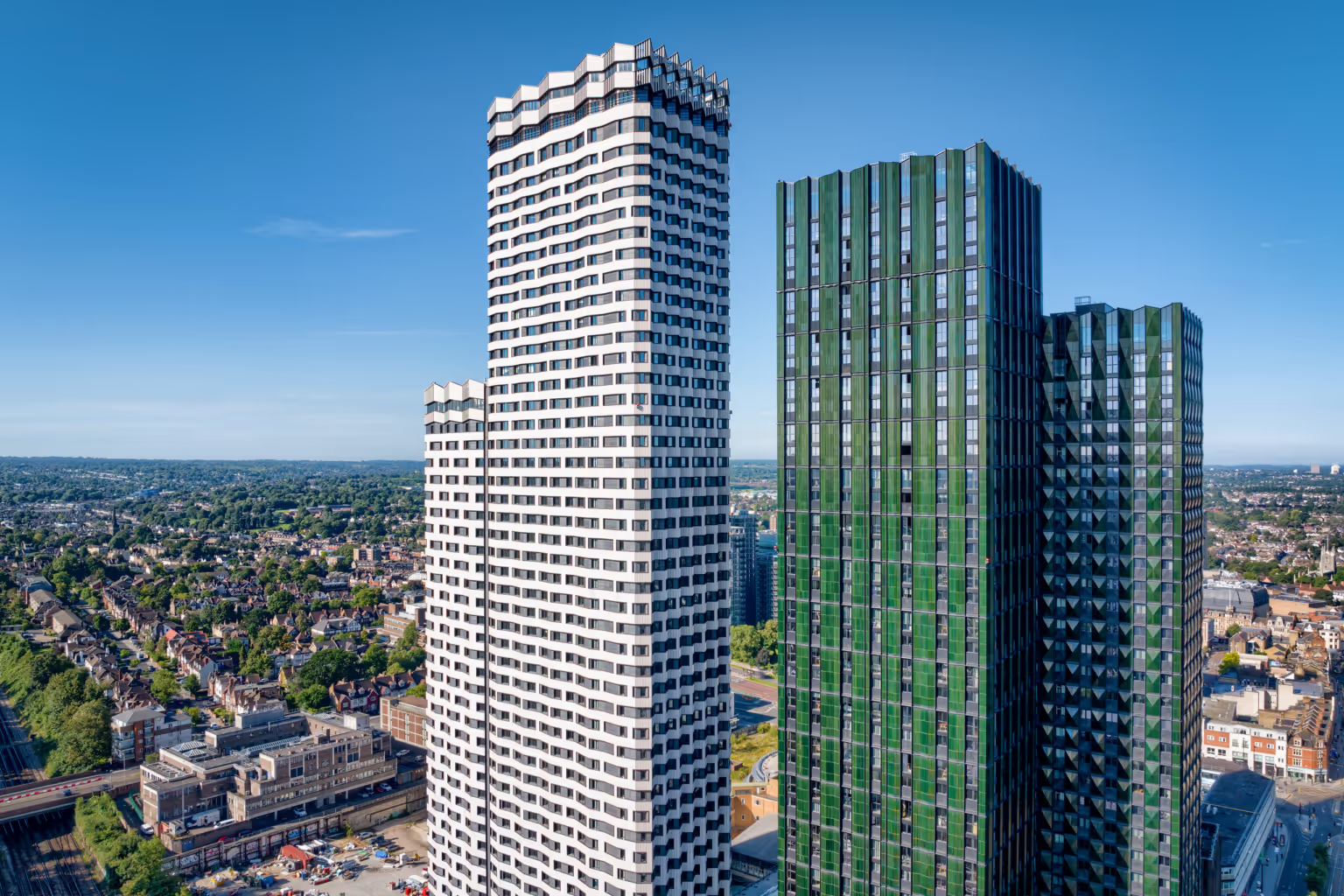
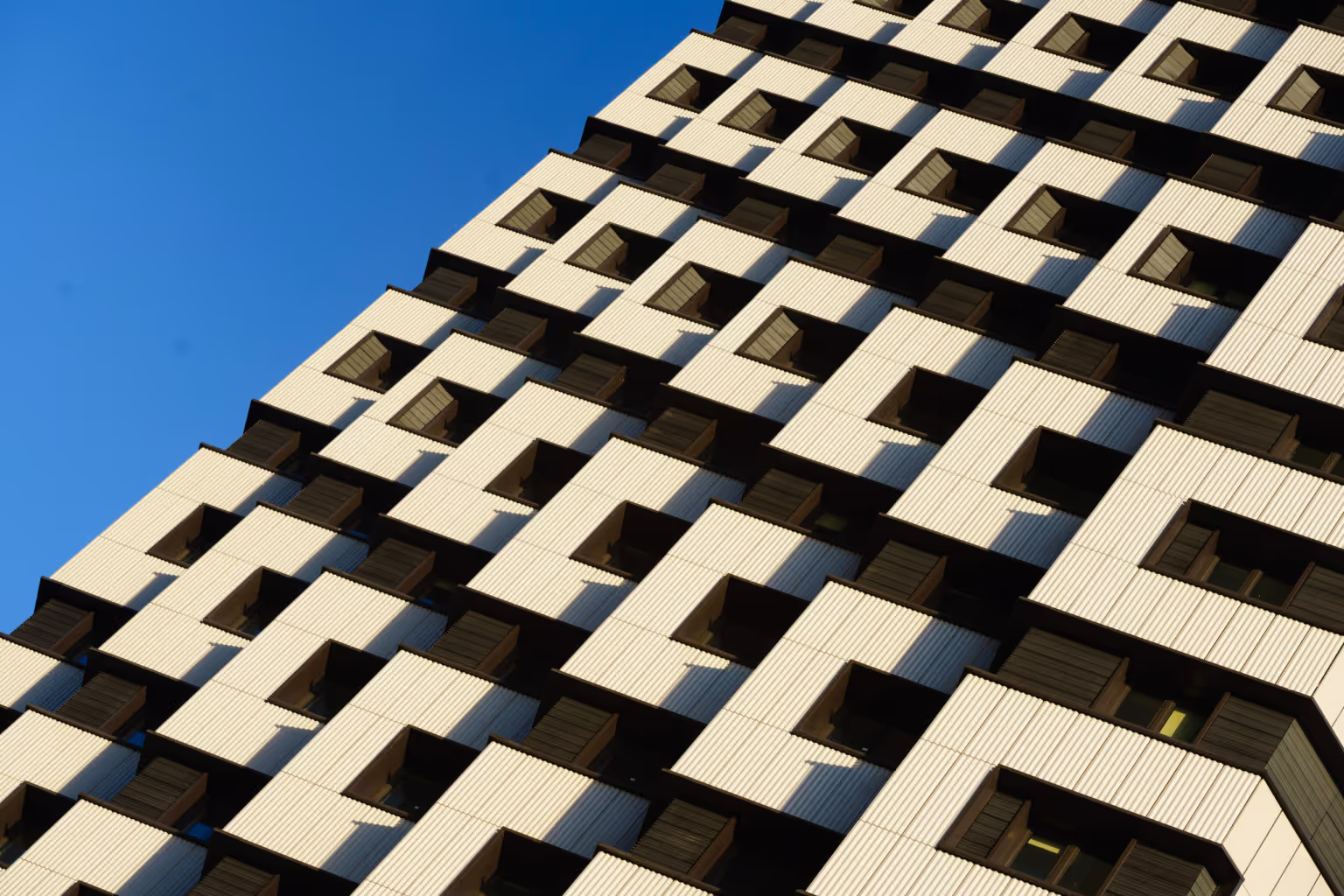
The building's appearance references the nearby No. 1 Croydon by Richard Siefert through its alternating window clustering, faceted façade geometry and use of white glazed tiles as the main cladding. Another key influence was the adjacent Ten Degrees, designed by HTA for Tide Construction. While they share the same glazed terracotta cladding system, College Road has a white horizontal expression that deliberately contrasts Ten Degrees's dark green vertical design.
College Road
College Road
College Road
No items found.

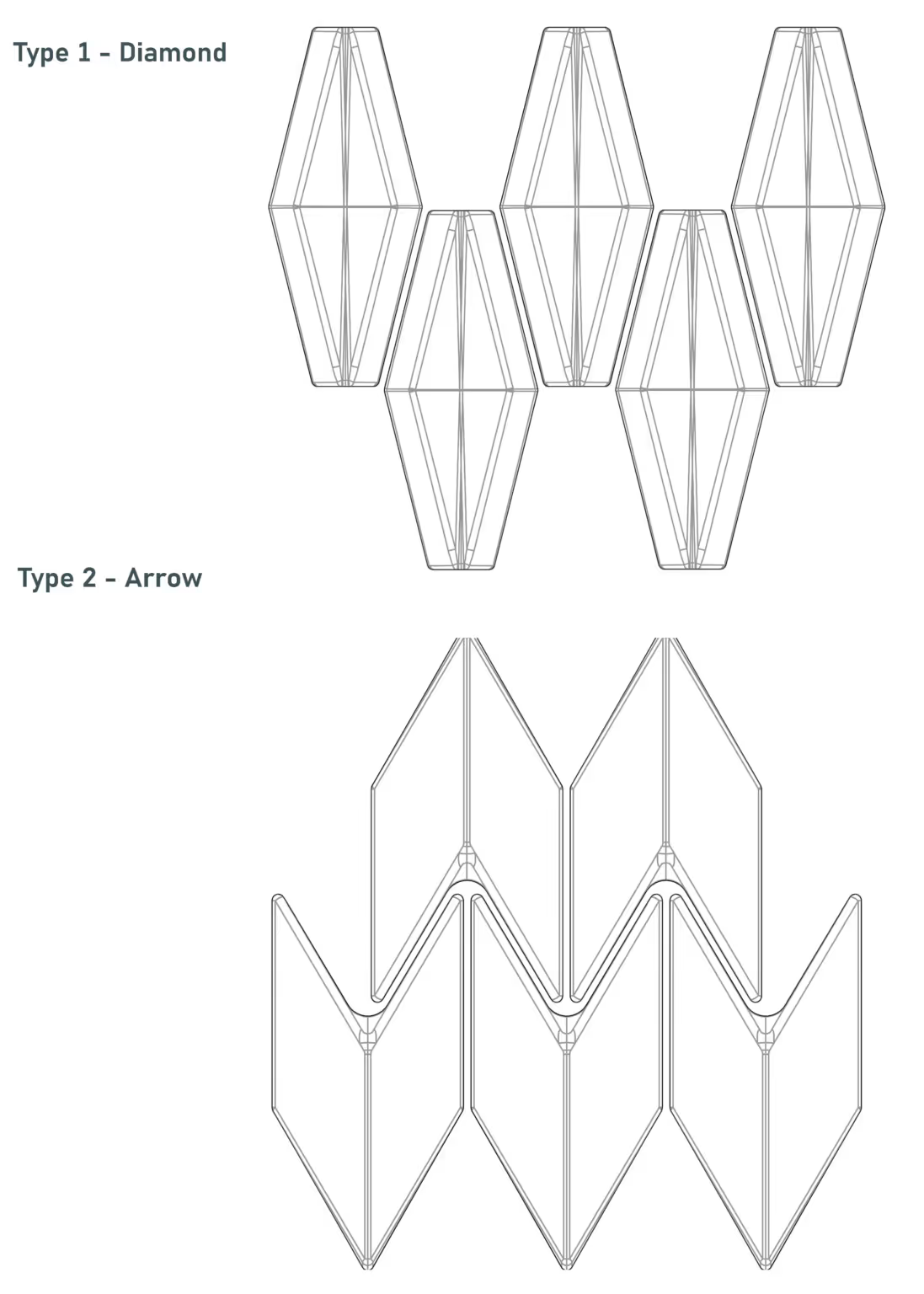
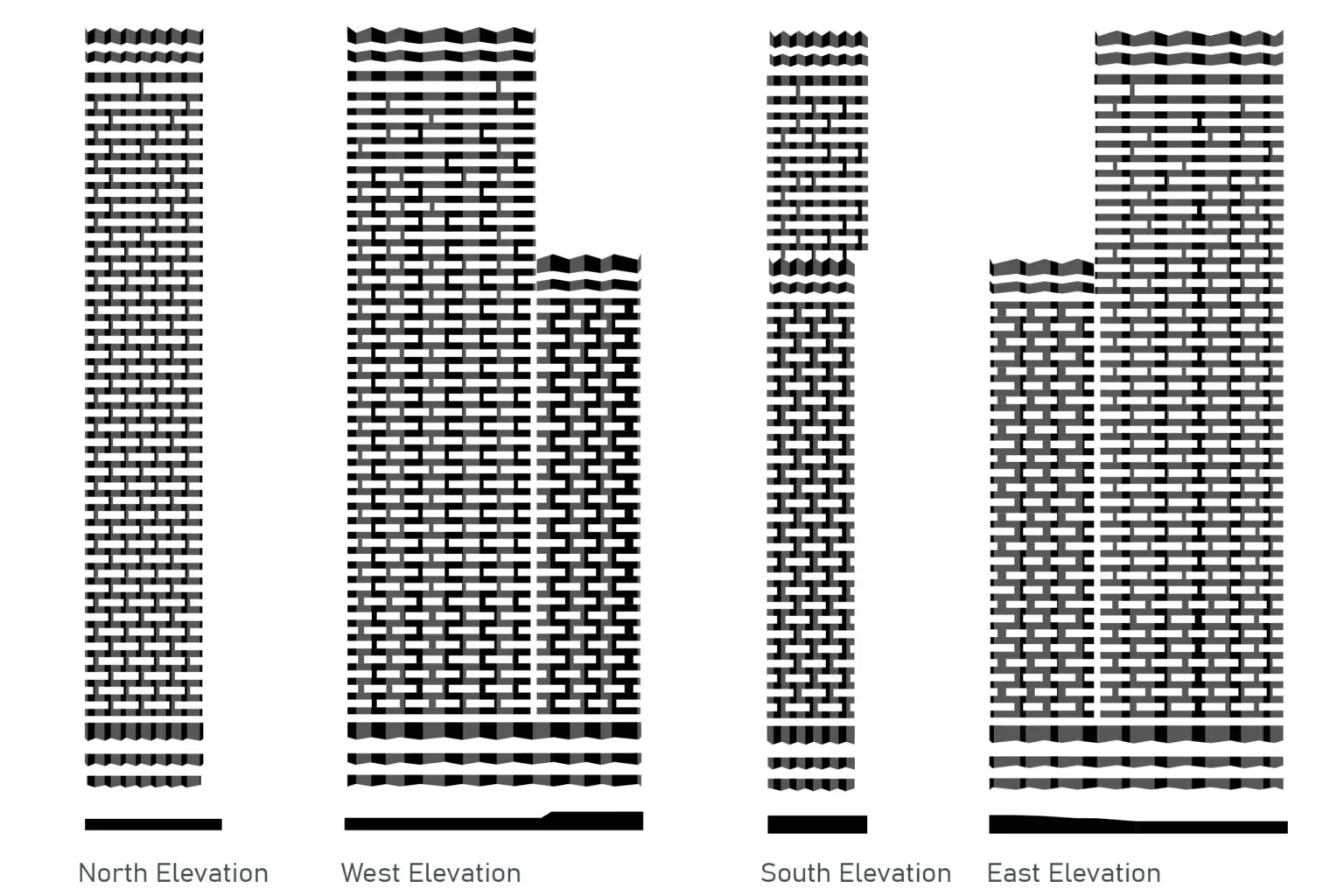
Our growing experience using glazed terracotta, working with Century Facades and NBK terracotta, led to a bespoke range of tile extrusions and finishes that reinforce the folds and reveal the façade. Together, all these different influences are composed into a discrete base matching shared uses, a central zone that subtly varies the rhythm of openings with the height, and a crown that articulates the destination spaces from the top of the tower. The lower 'shoulder' is separated by a shadow gap and expressed by a variation to the façade rhythm.
College Road
College Road
College Road
No items found.

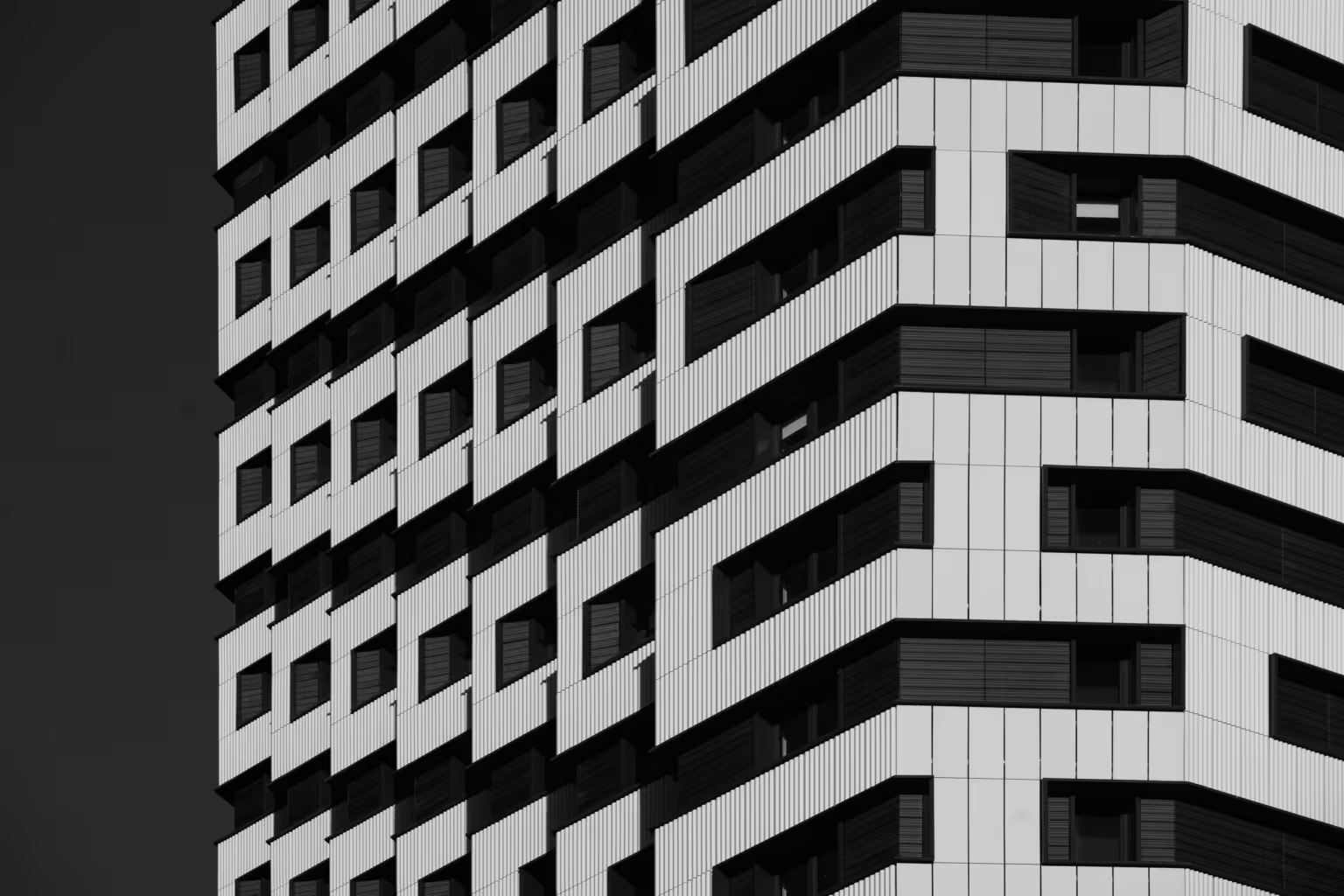
College Road's "tripartite" composition features a complex and subtle design at the base and middle levels. The windows are grouped and clustered beyond individual floors or homes, and a prominent "crown" highlights the top of the building and its role in the skyline. At a more detailed level, the building's design features recurring patterns throughout, from small facade tiles to the unique shape of the building, resulting in a cohesive and distinctive look.
College Road
College Road
No items found.

What is the purpose of the horizontal cuts between the ribbons on the building's façade

College Road has different modules with varying complexity. The façade design reflects this by changing the clusters of windows across the building height. These windows create black ribbons that increase in width as they rise up the building and encircle the tower at the top. The horizontal cuts between the ribbons differentiate between the shoulders of the affordable homes and the taller co-living homes. The variations in design make the tower look like a structured family of related forms, avoiding an overly repetitive grid. The horizontal window banding allows for flexibility in the internal layouts of the homes, maximizes views and daylight, and minimizes overheating through deep reveals and natural ventilation.
College Road
College Road
College Road
No items found.