Sustainability & Building Physics

Ten Degrees

How does Ten Degrees use passive design principles?

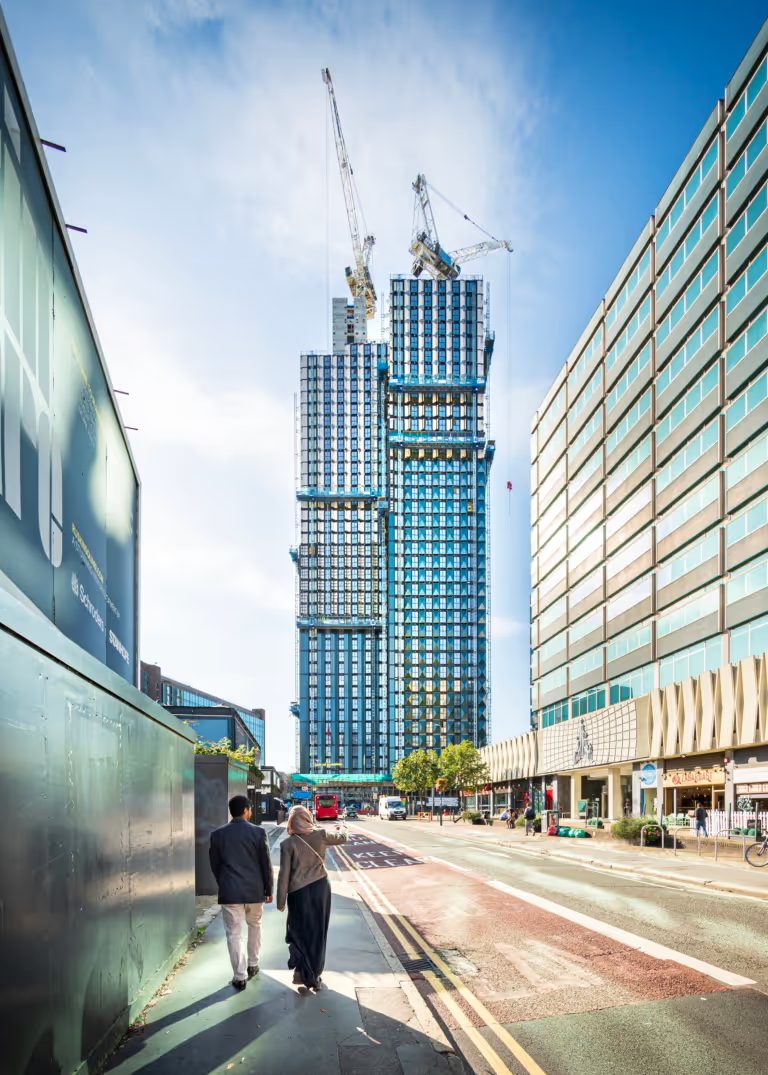
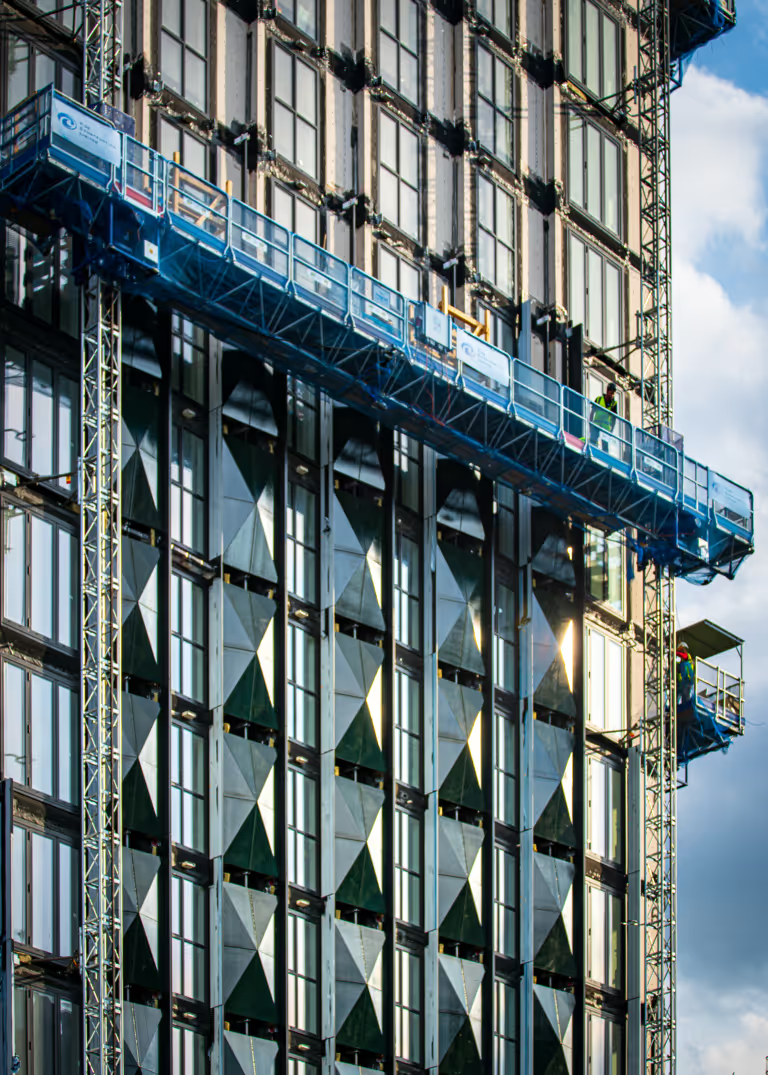
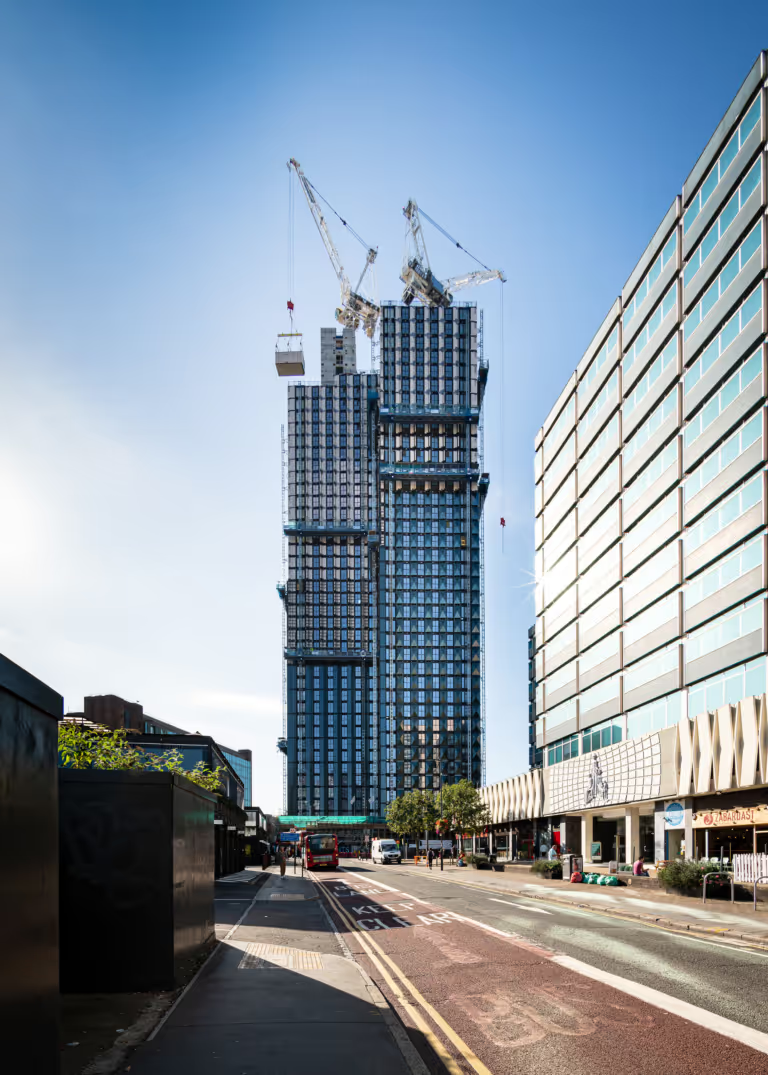
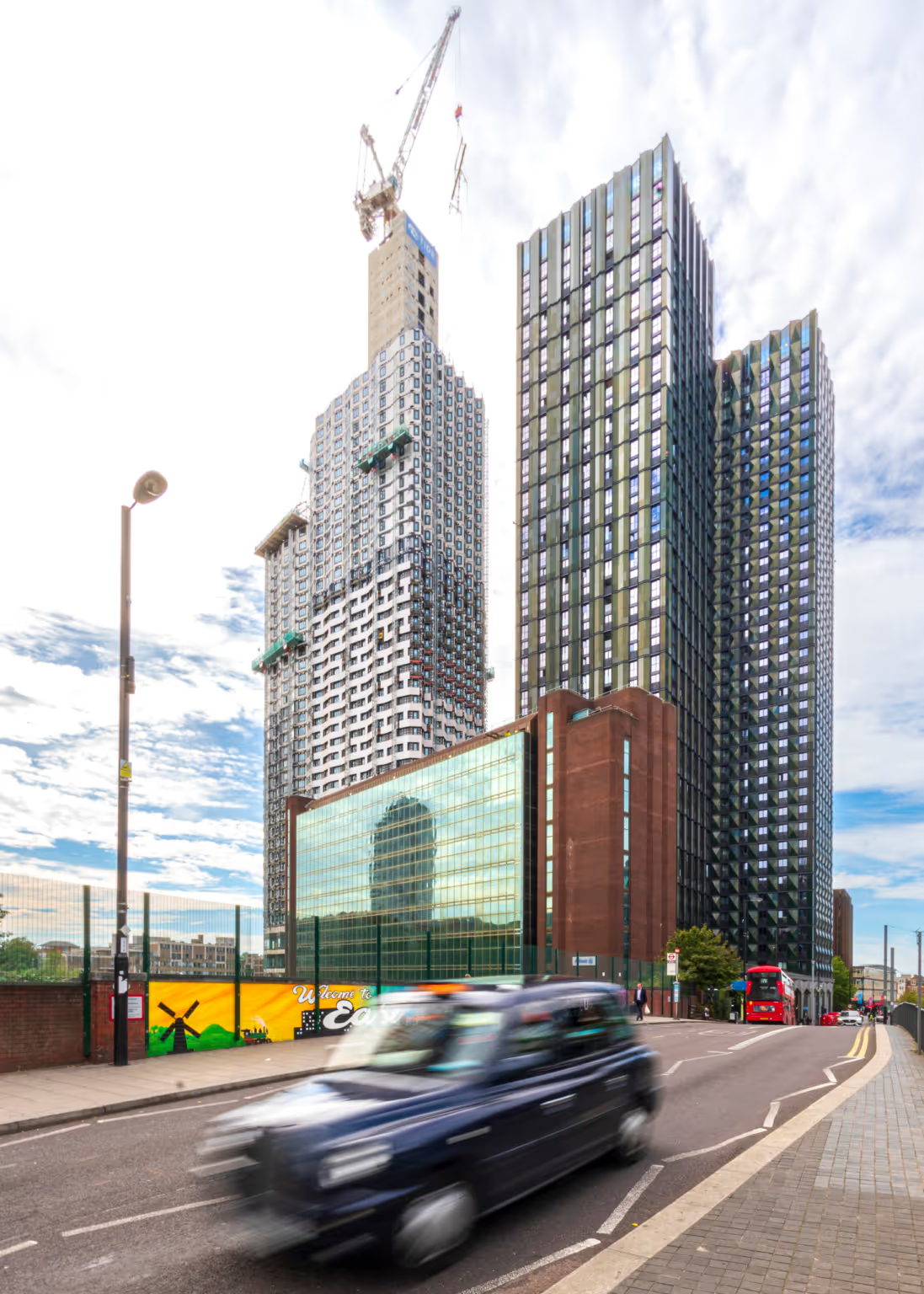
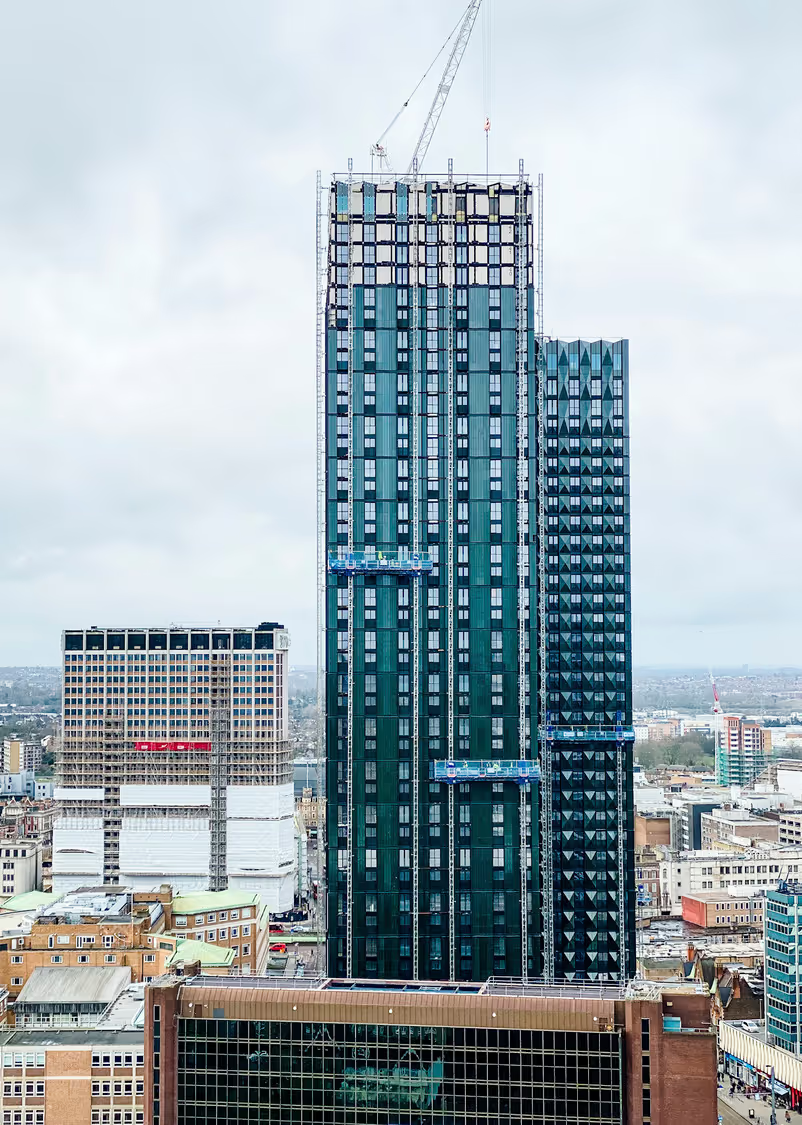
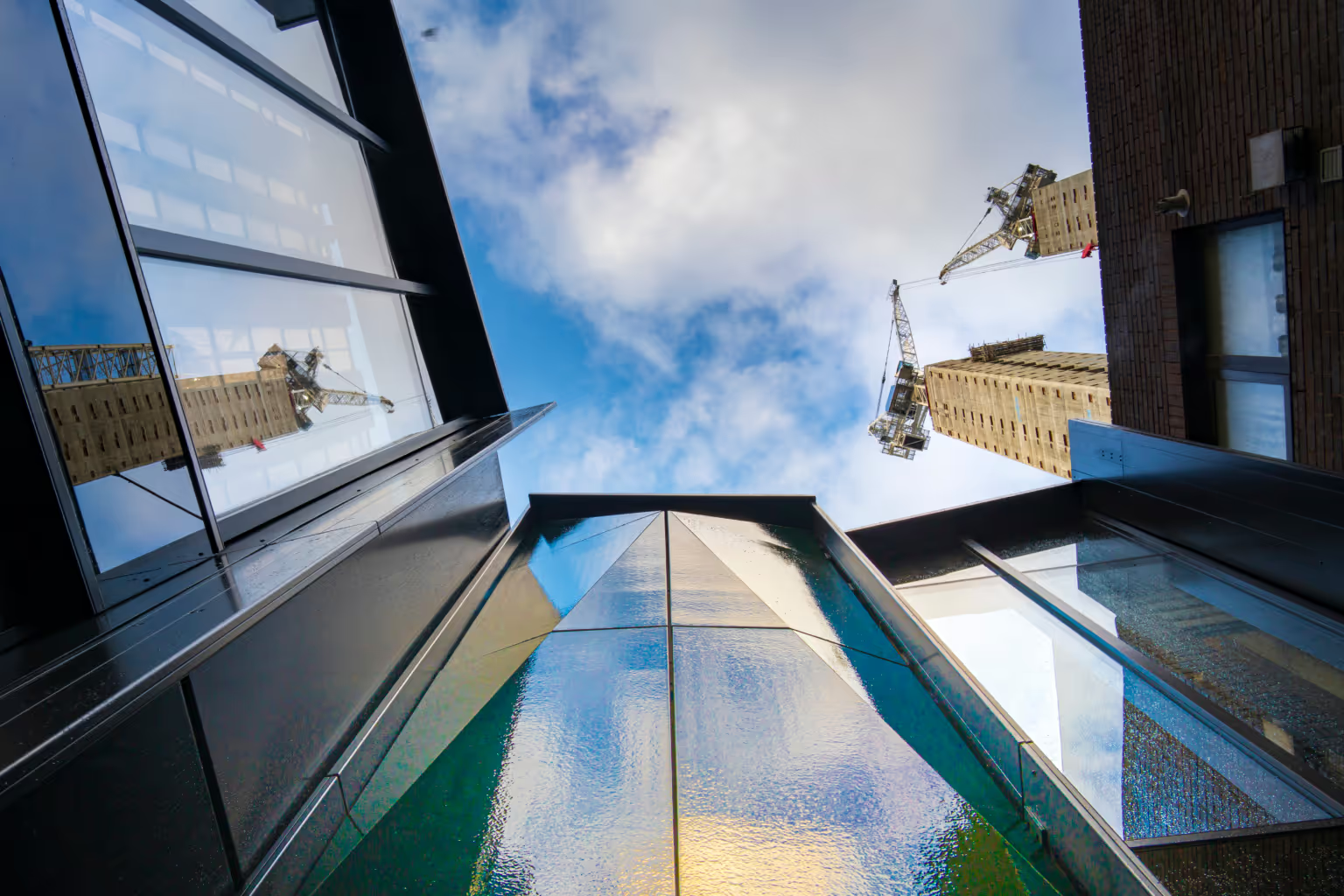
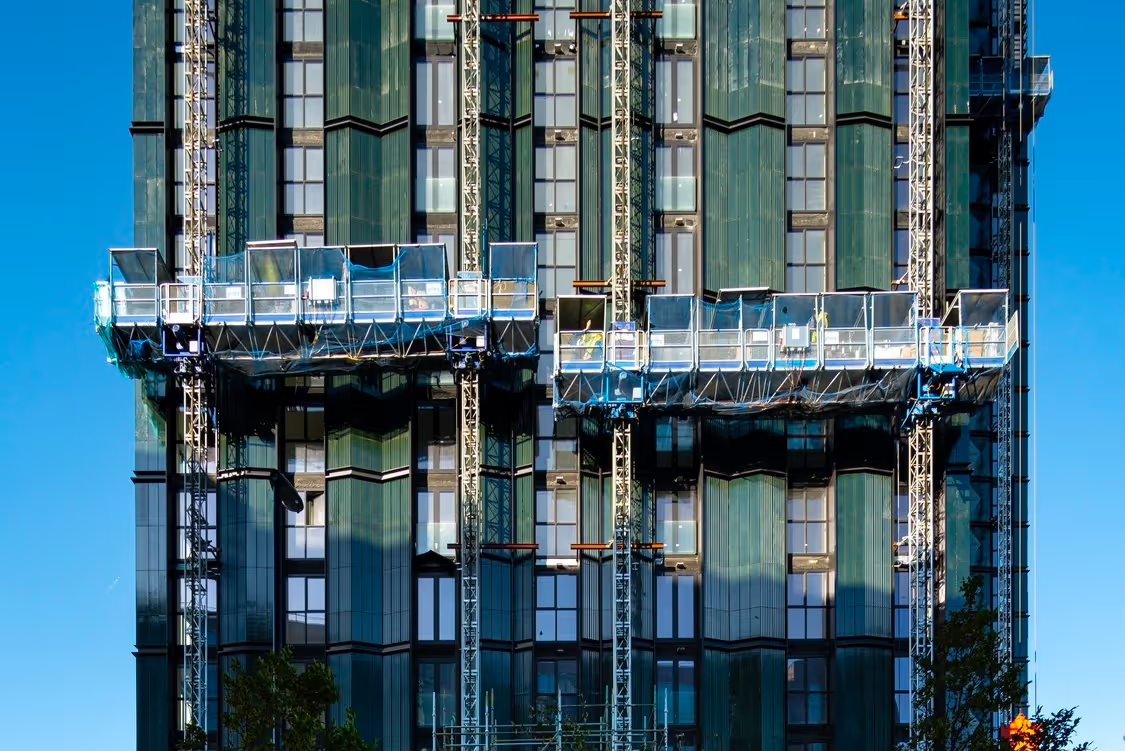
Ten Degrees has been designed to prioritise a passive approach to heating and cooling. 50% of the homes are dual aspect and all flats have openable windows to allow for natural cooling and ventilation. The internal layout has been optimised to ensure every home enables the largest possible number of rooms to benefit from solar gain and natural light. The composition of the facade and windows has been carefully designed to balance the proportion of solid wall to glazed area. Overall, glazing cover is set at 35%. Excessive solar gain is also controlled by careful detailing of the terracotta facade panels, the depth, angle and orientation of which has been adjusted across the towers to deflect excessive heat and light.
Ten Degrees
Ten Degrees
Ten Degrees
No items found.

How does the offsite construction of Ten Degrees minimise its embodied carbon?

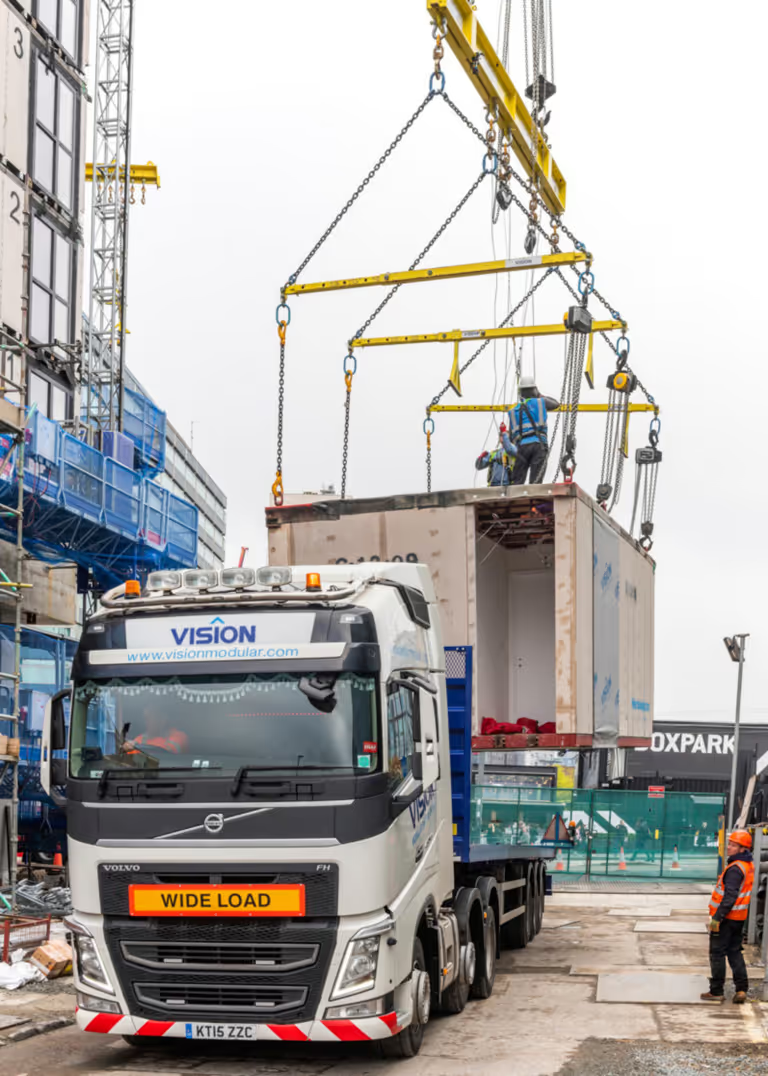
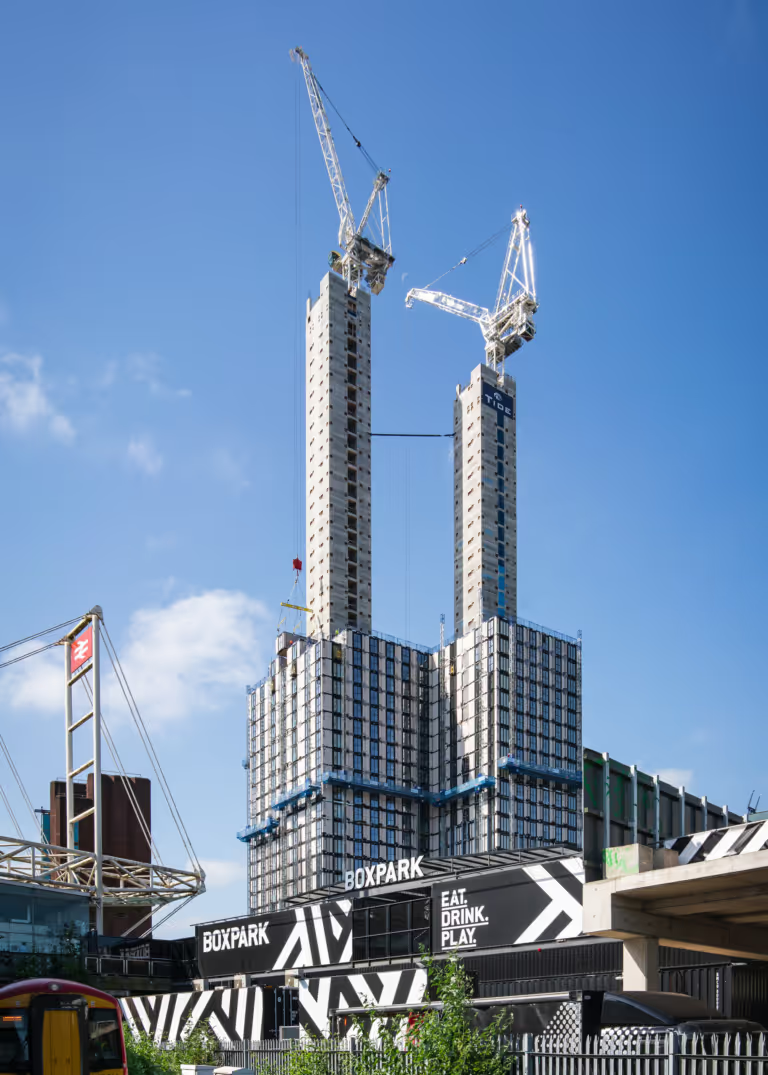
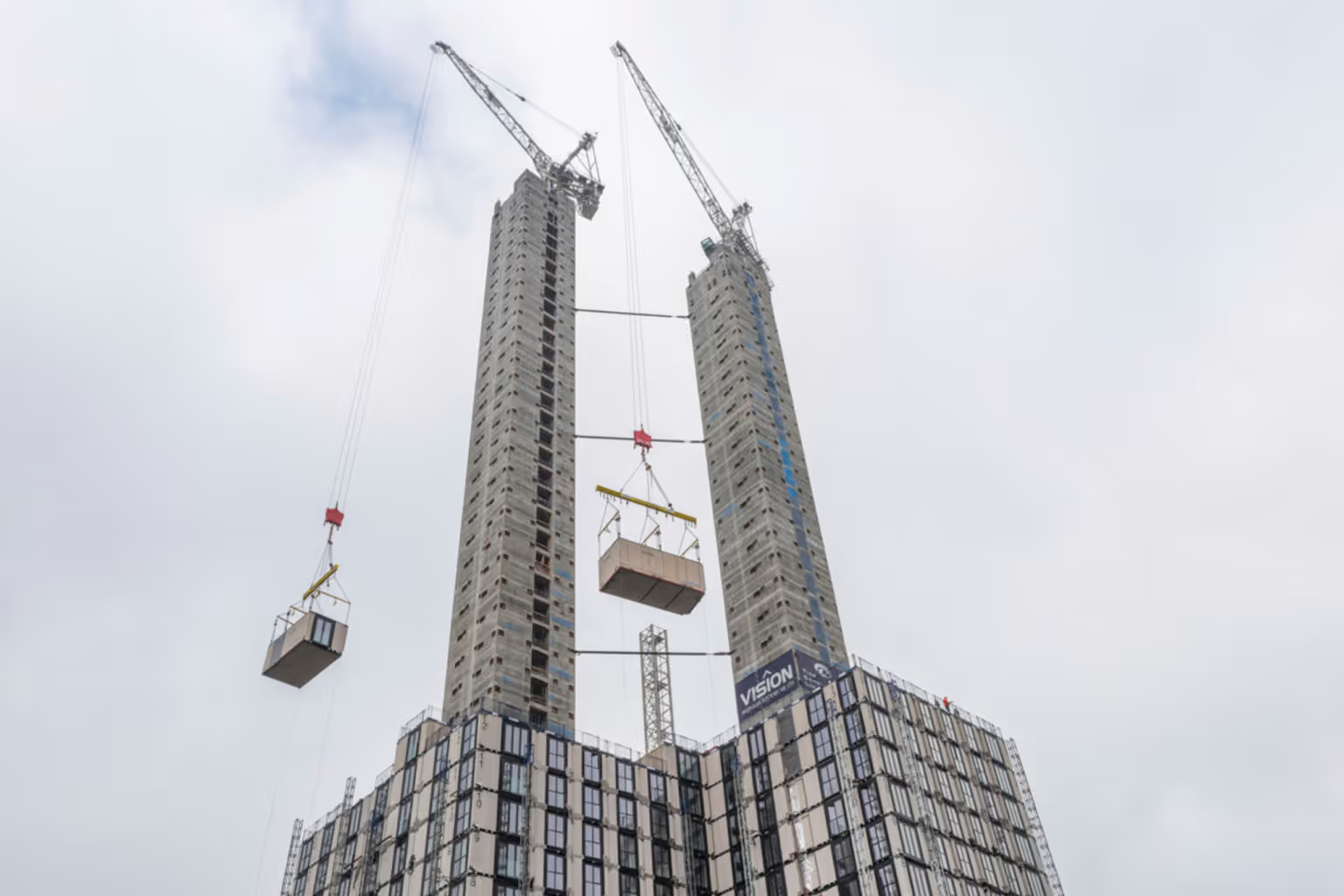
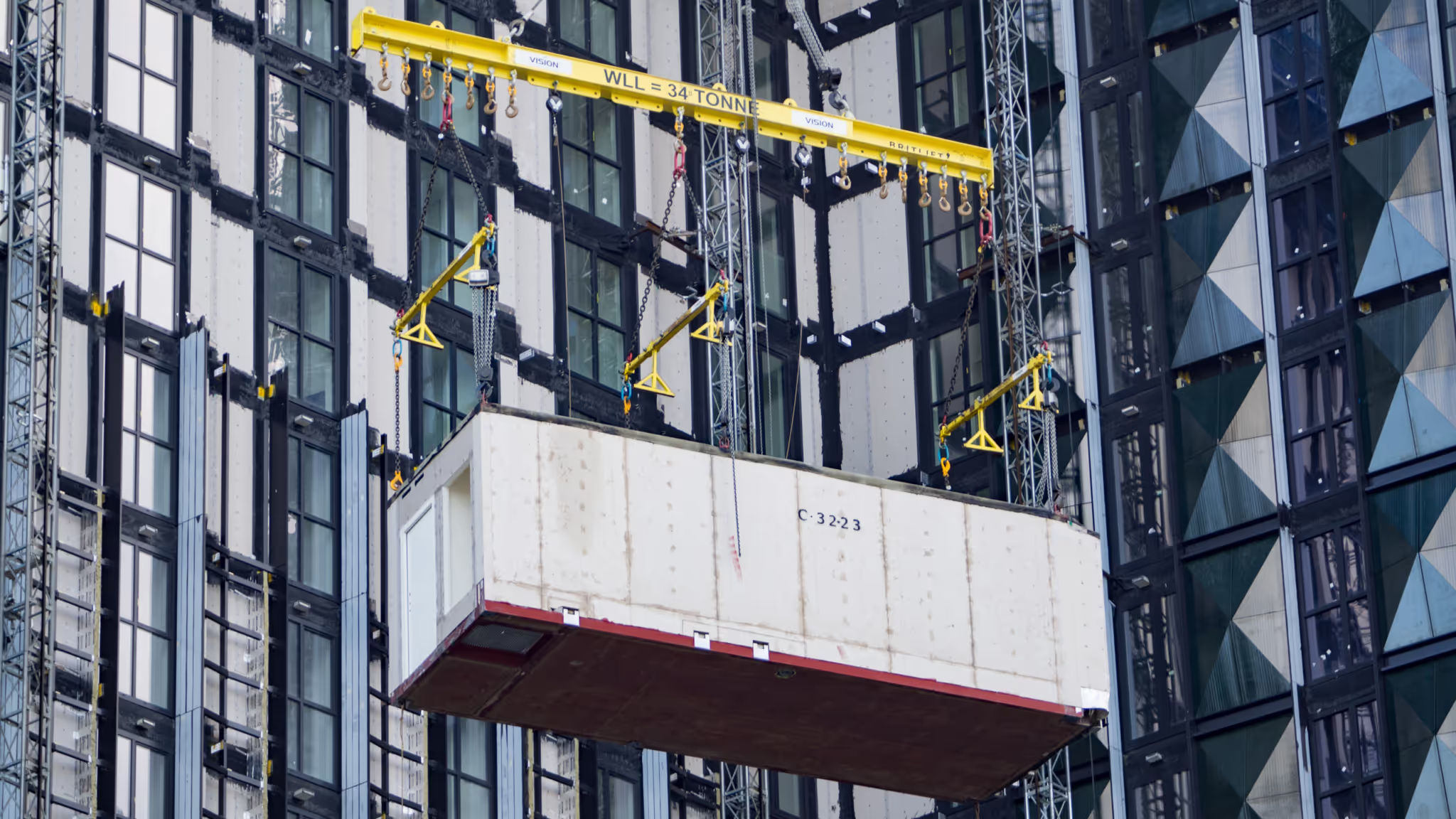
Ten Degrees shows the potential of modular construction to radically reduce the carbon footprint of new homes. Embodied carbon, which is the CO2 produced during the design, construction and decommissioning phases of a development, is dramatically lower when modular systems are used because the resulting buildings require a smaller volume of carbon-intensive products such as concrete and steel. Due to its modular construction, Ten Degrees achieves a 40% reduction in embodied carbon compared to more traditional approaches. This is because this way of building reduces material waste, as the modular units are produced in a factory where surplus material can be controlled and more easily re-appropriated than it would be on site. The ‘factory built’ process for Ten Degrees gave us strict control of the project allowing us to monitor key metrics. We know that this approach to construction enabled the following achievements:
Ten Degrees
Ten Degrees
Ten Degrees
No items found.

In what other ways does modular construction improve built outcomes?

The factory-made approach also contributes to solving issues of airtightness, thermal bridging, and quality of the finishes that can be applied to the interior of the homes. Thanks to the efficiency of a production line process construction challenges can also be more effectively resolved by working with the specialist skills of the modular manufacturer to resolve technical problems during design, reducing the number of issues that arise on site, which often cause delays to the build programme and escalating costs.
Ten Degrees
Ten Degrees
Ten Degrees
No items found.

How is operational carbon reduced at Ten Degrees?

It has high fabric efficiency, good air tightness levels. Rigorous detailing reduces the air permeability of the building. The air permeability is predicted to be 5 m3 / m2 at 50 PA improving upon the rate set by the Part L Building Regulations. The scheme achieves 43 kWk/m2/yr in regulated energy. Tried and tested construction details were adopted to mimimise the occurrence and impact of thermal bridging. Onsite renewable energy generation is provided through roof mounted photovoltaic panels that contribute to the CO2 reductions per the London Plan.
Ten Degrees
Ten Degrees
Ten Degrees
No items found.