Sustainability & Building Physics

The Queen Elizabeth II Garden

Sustainability and Climate Resilience

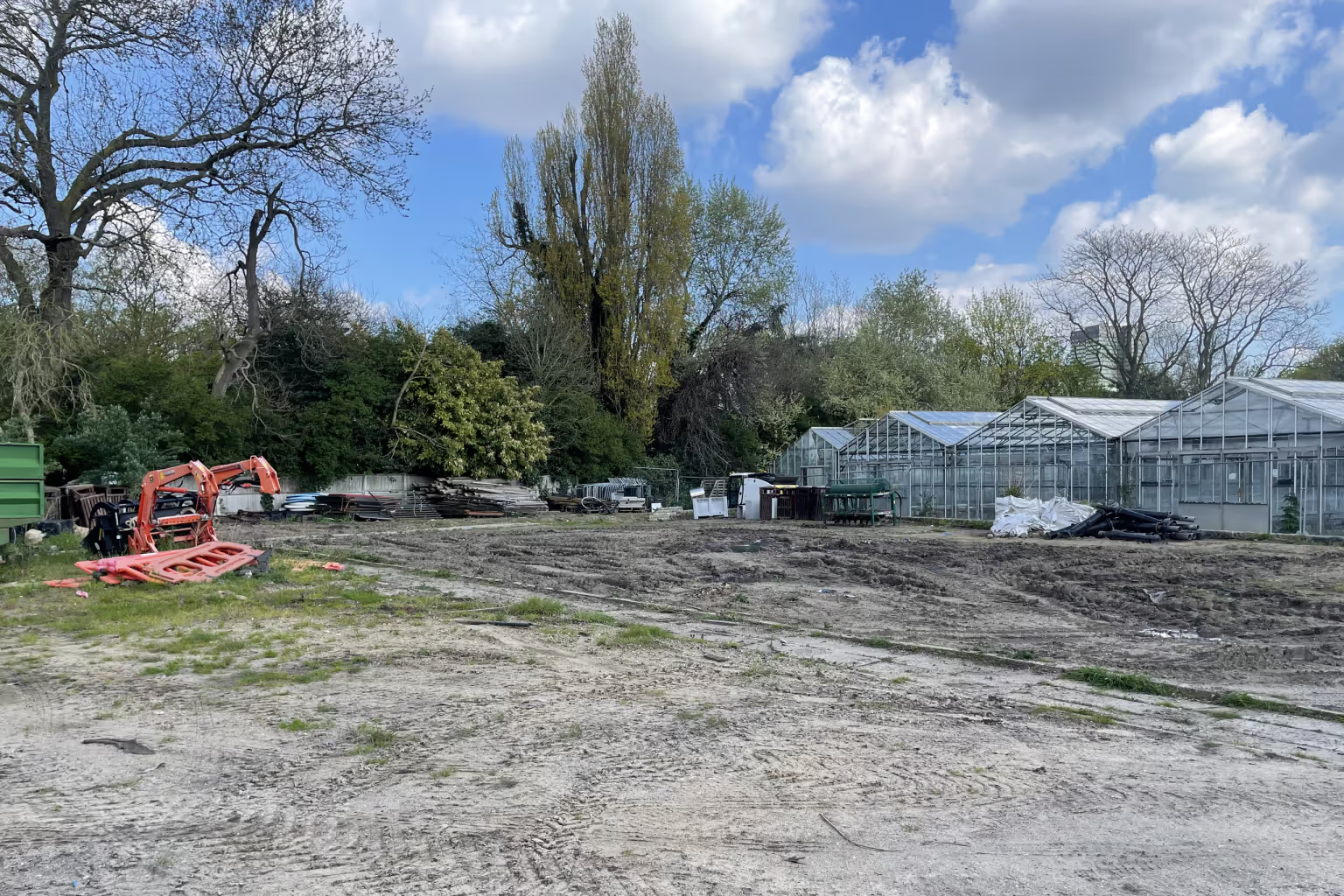
At the heart of the project is the transformation of a redundant plant nursery into a biodiverse public garden. The central idea underpinning both the design and its aesthetic was the reuse of materials arising from the demolition of the site’s glasshouses, resulting in 80% reduction in embodied carbon when comparing the largest carbon contributors with typical practice. The former store yard had little viable topsoil. Rather than importing new soil, we worked with soil scientists Tim O’Hare Associates to create it. Redundant concrete foundations were crushed and mixed with quarry overburden to form the new substrates, consisting of 75% concrete crush and 25% quarry overburden.
The Queen Elizabeth II Garden
No items found.

Reuse of materials

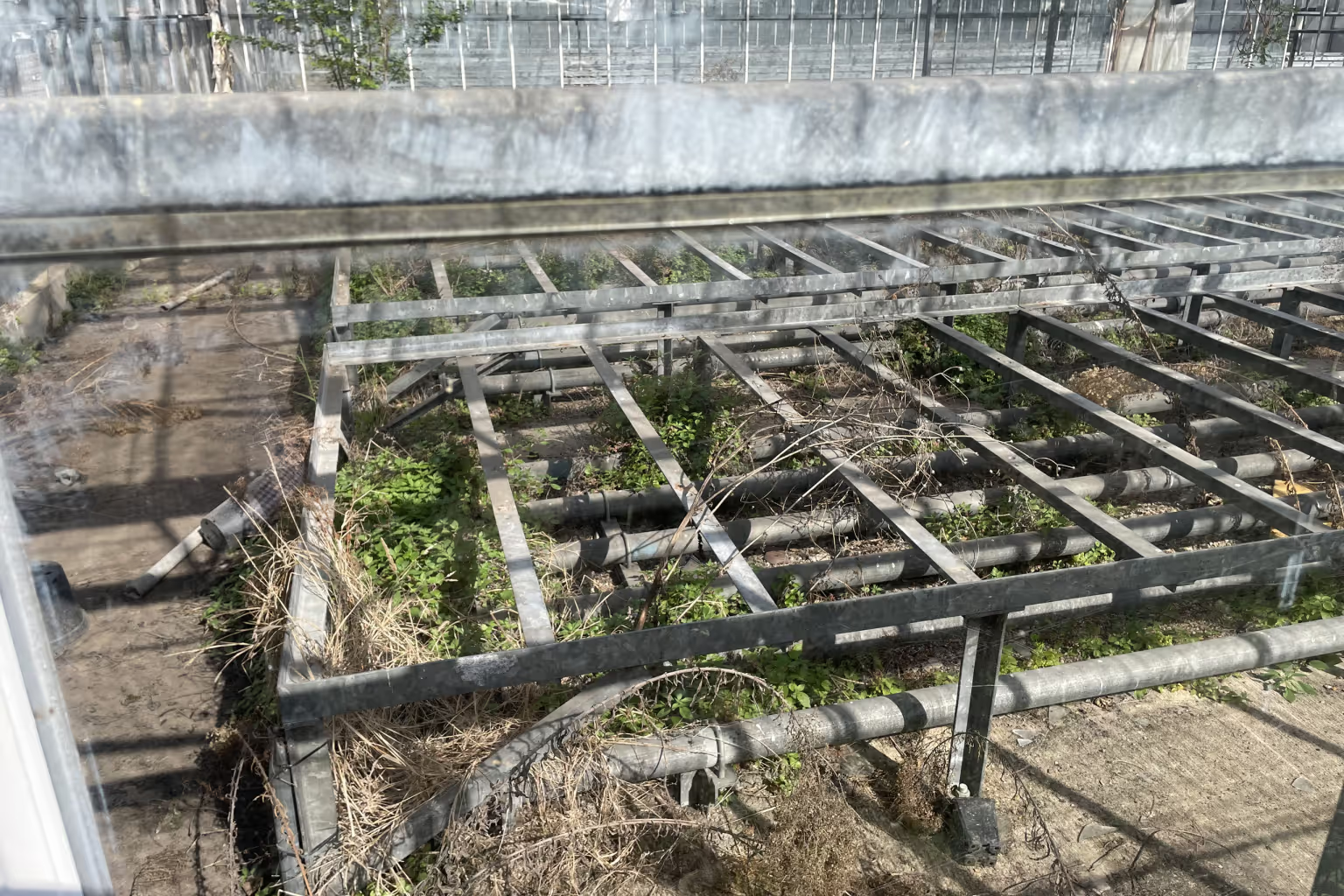
Thames gravel, which once lined the glasshouse floors, was washed on site and reused in the garden’s terrazzo paths. These were poured in situ and the surface ground to reveal the beautiful ambers and buffs within the aggregate. Iron ore fragments appear across the surface like small meteorite tails, subtle reminders of the site’s layered history. Steel members salvaged from the greenhouse frames have been given new life in the pergola and tower balcony. Benches within the woodland walk and meadows have been made from trees fallen within The Regent’s Park. These benches are natural in character to reinforce their informal setting.
The Queen Elizabeth II Garden
No items found.

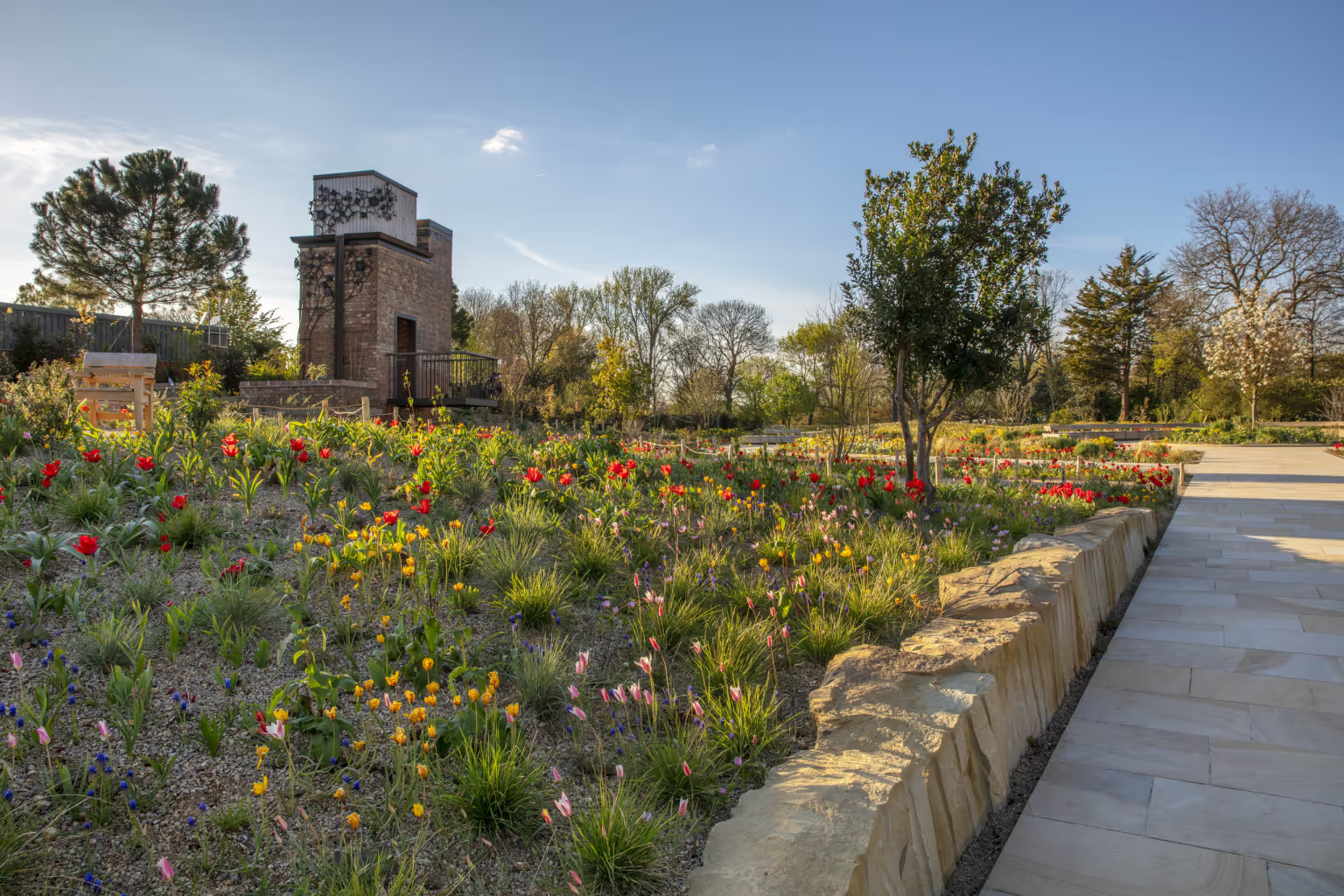
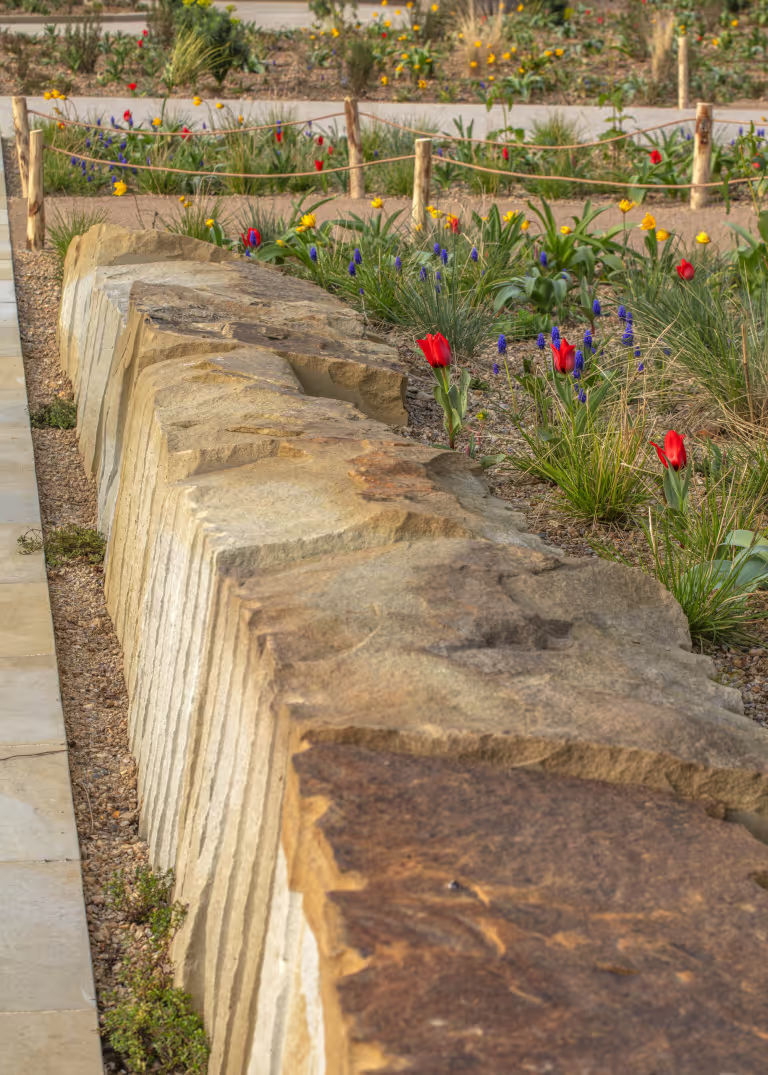
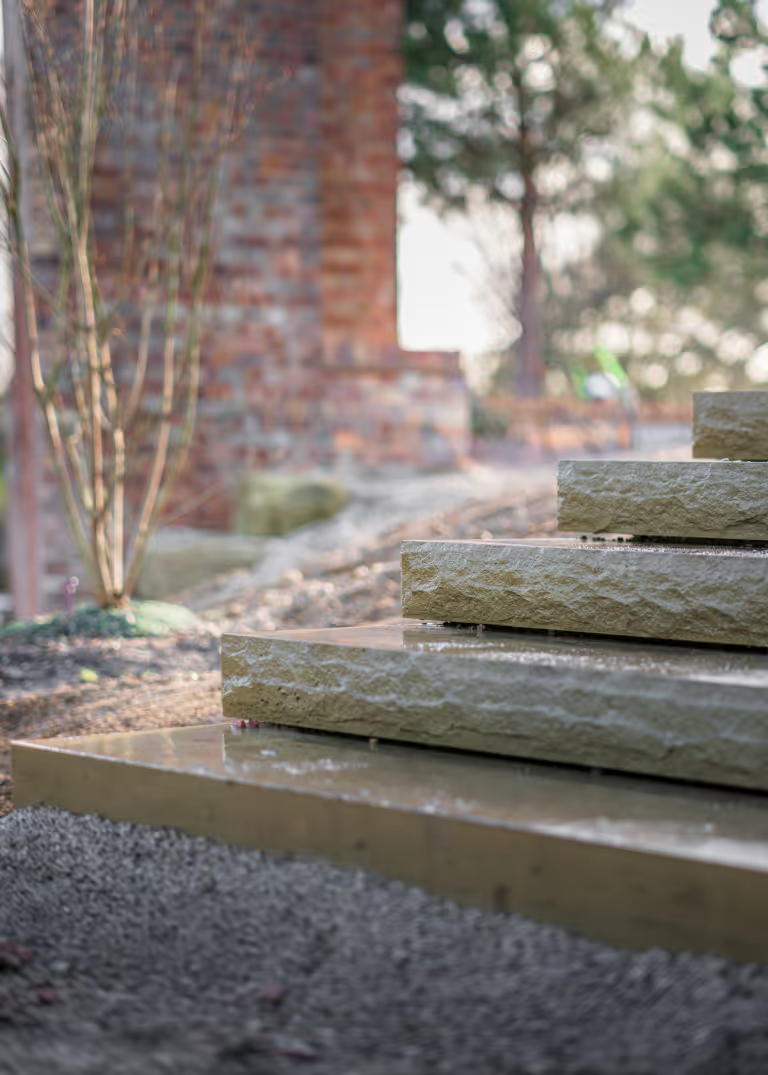
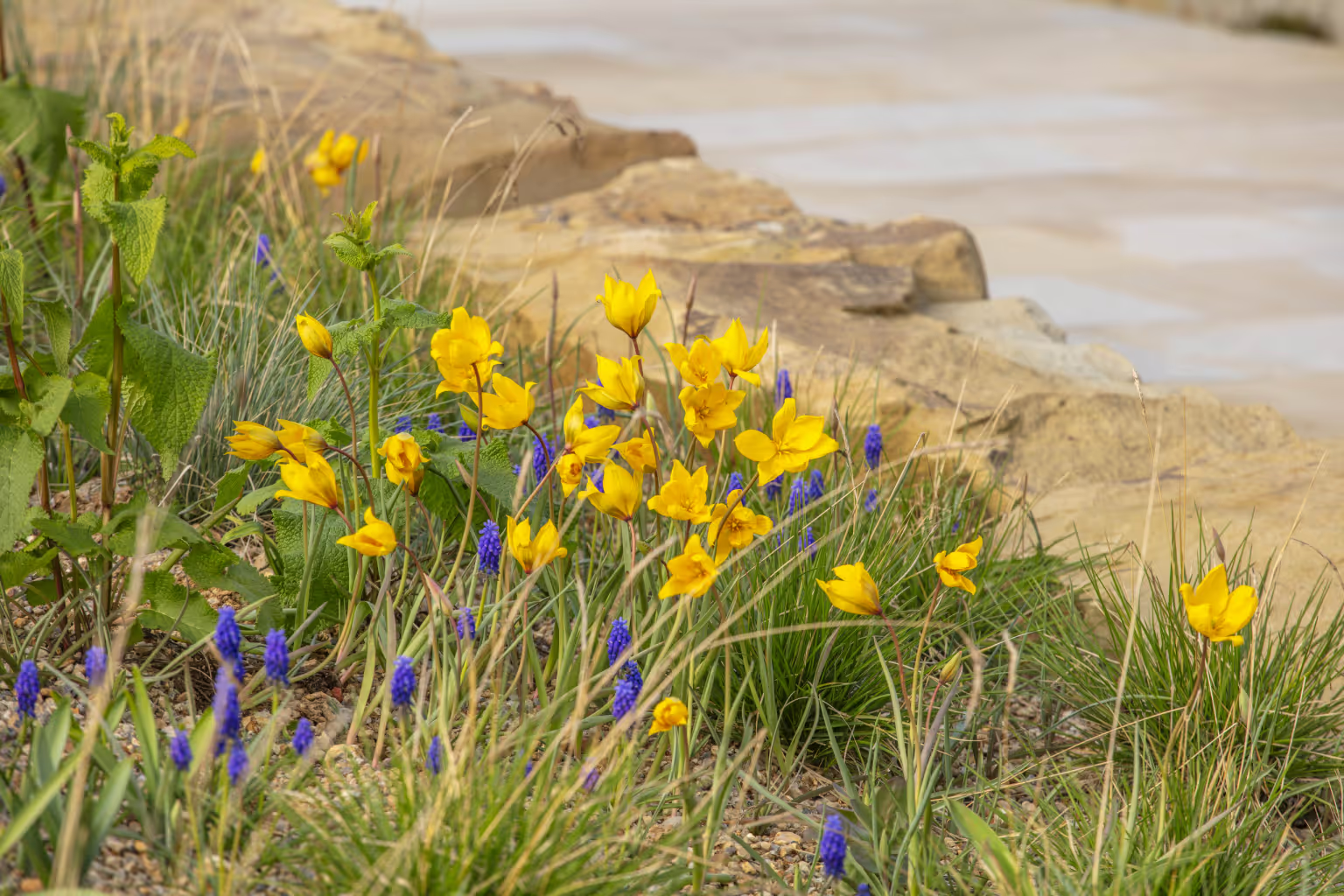
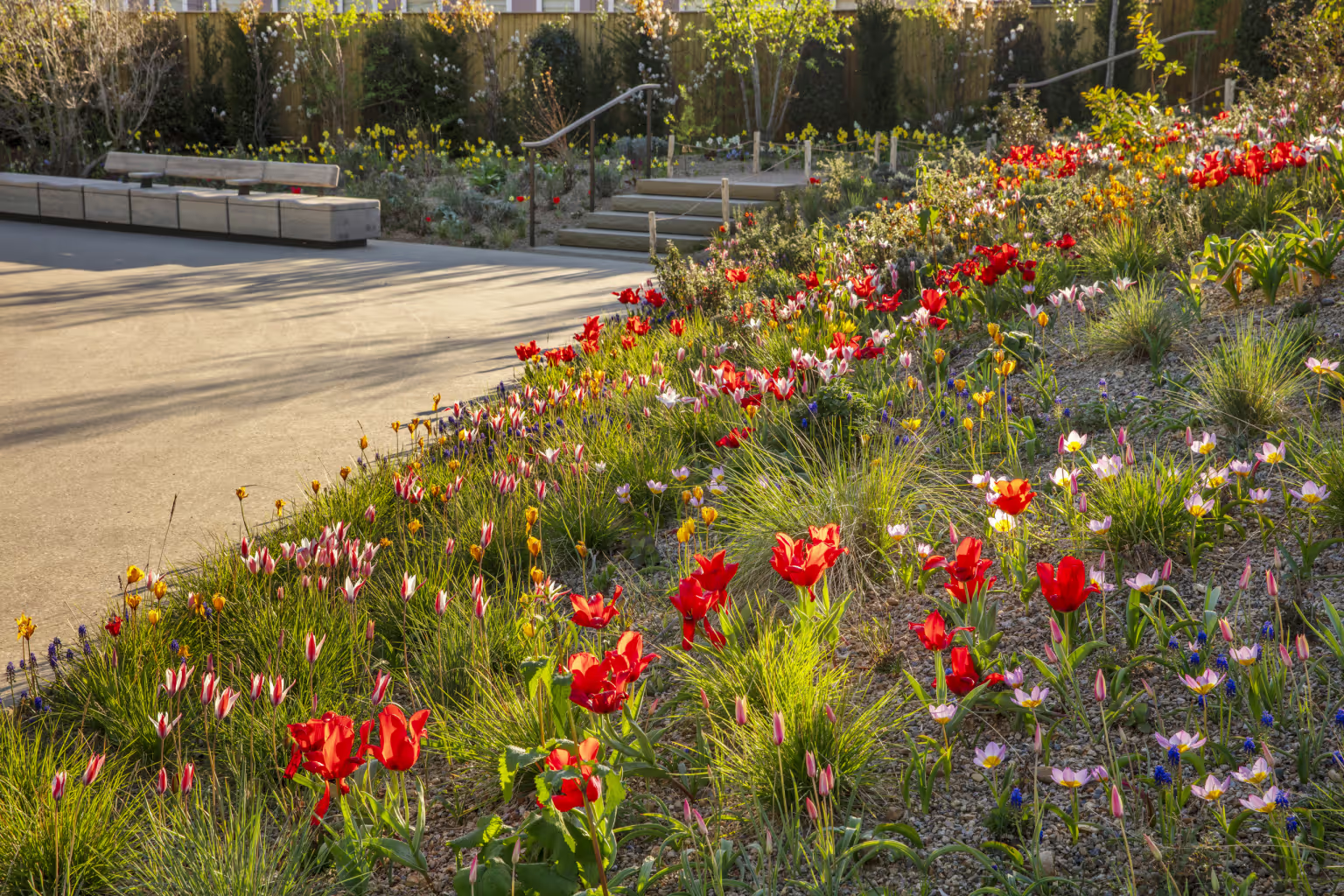
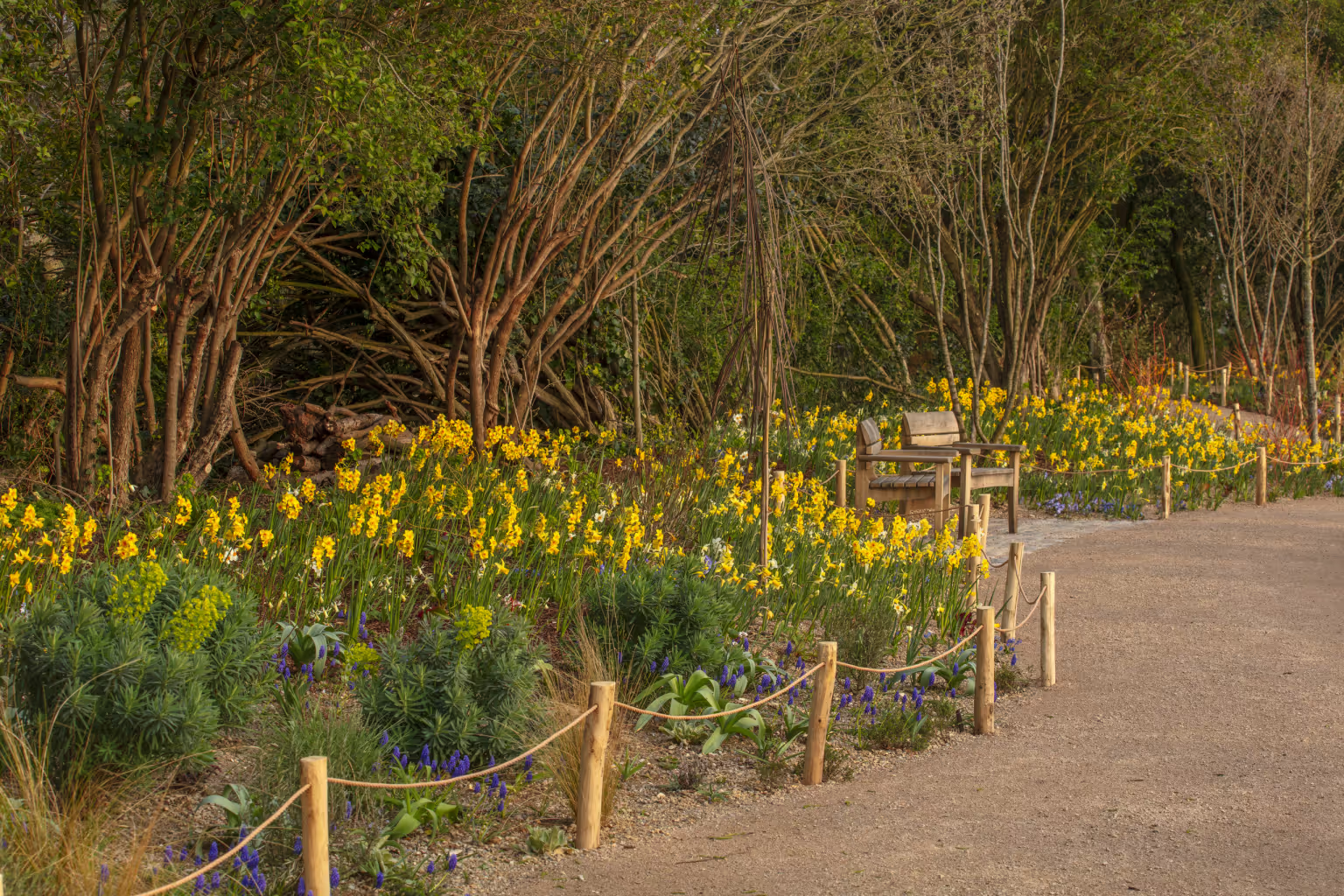
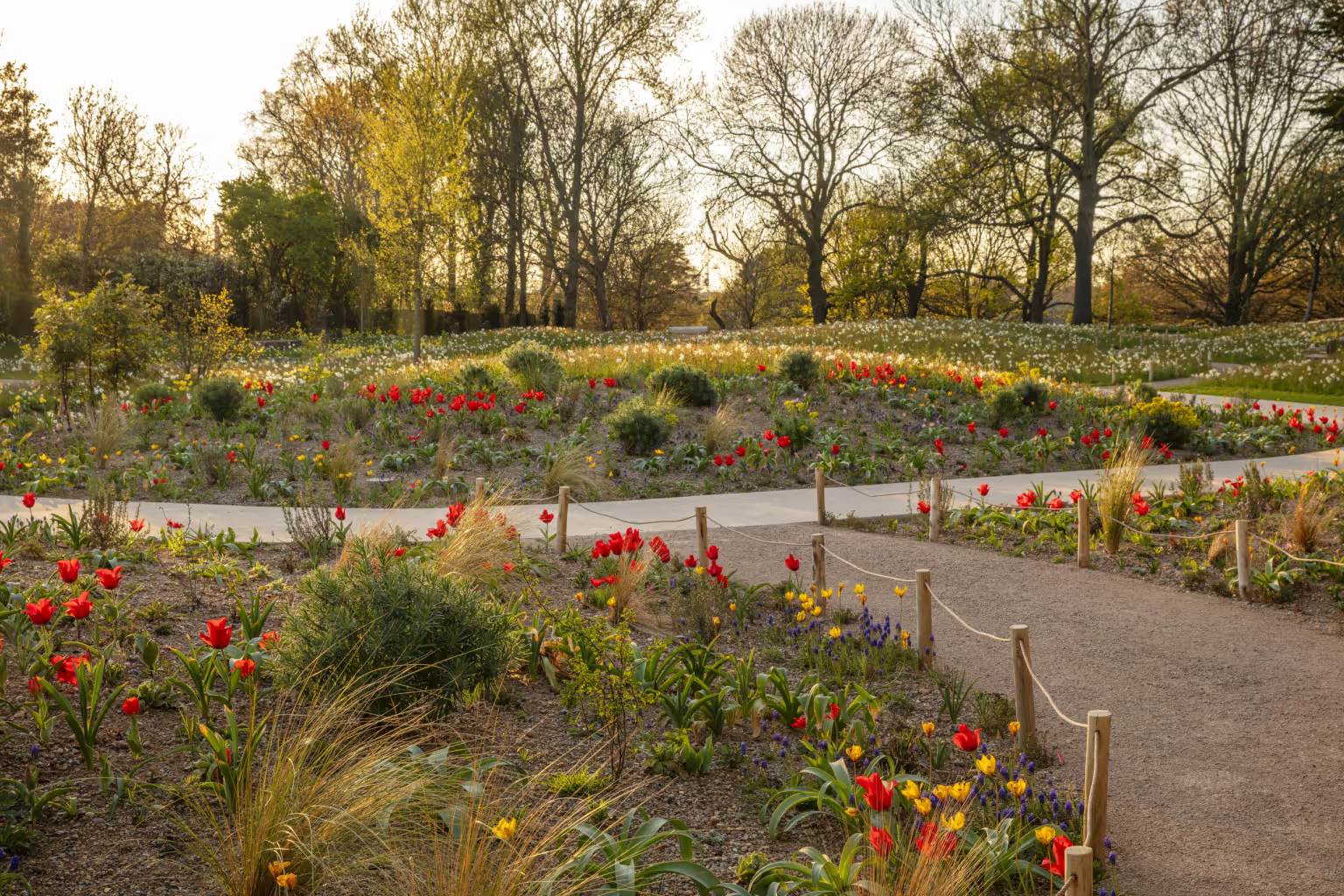
In addition to the recycled concrete and aggregates, Yorkstone is the other predominant material within the garden – from finely finished to rough-hewn, it has been selected for its timeless quality, longevity and UK provenance, which together reduce whole-life carbon impacts and will age beautifully. The sustainable reuse of materials has guided not only the construction but also the character of the garden. The low-fertility soils, in particular, have shaped the planting approach. Drawing on natural plant communities found on English chalk downlands and in Mediterranean landscapes, the garden is climate-resilient, biodiverse and rich in colour, texture and scent throughout the seasons, achieving a biodiversity net gain of 184%.
The Queen Elizabeth II Garden
No items found.

The Tower

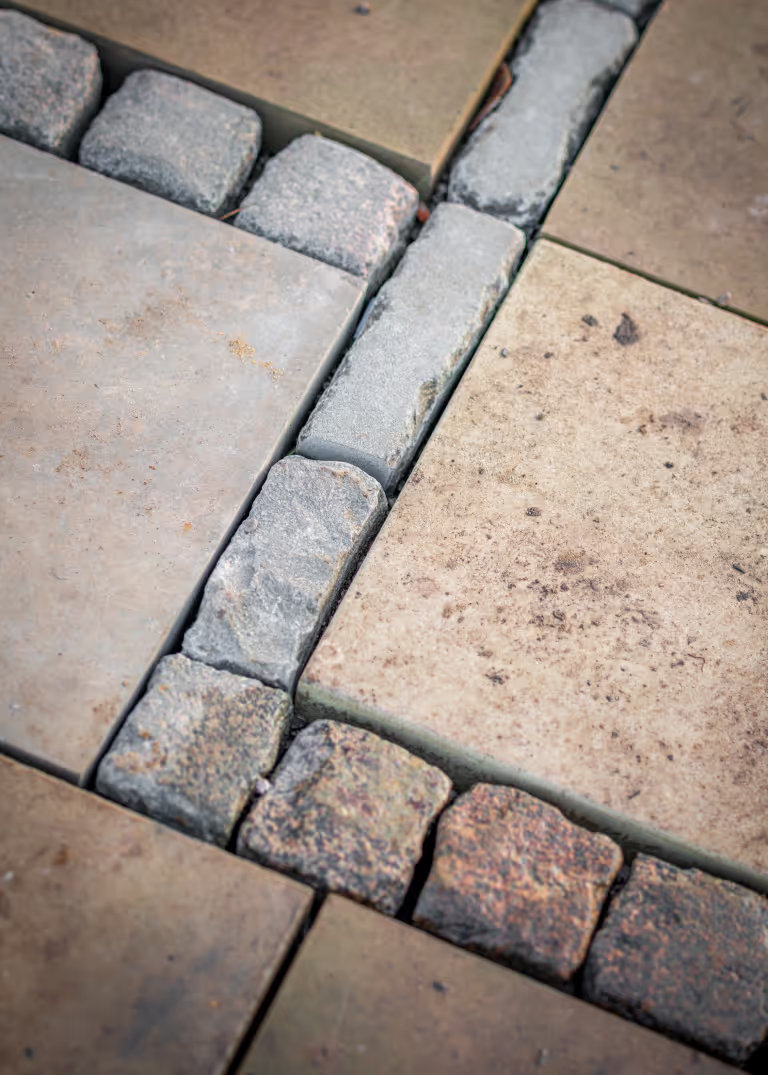
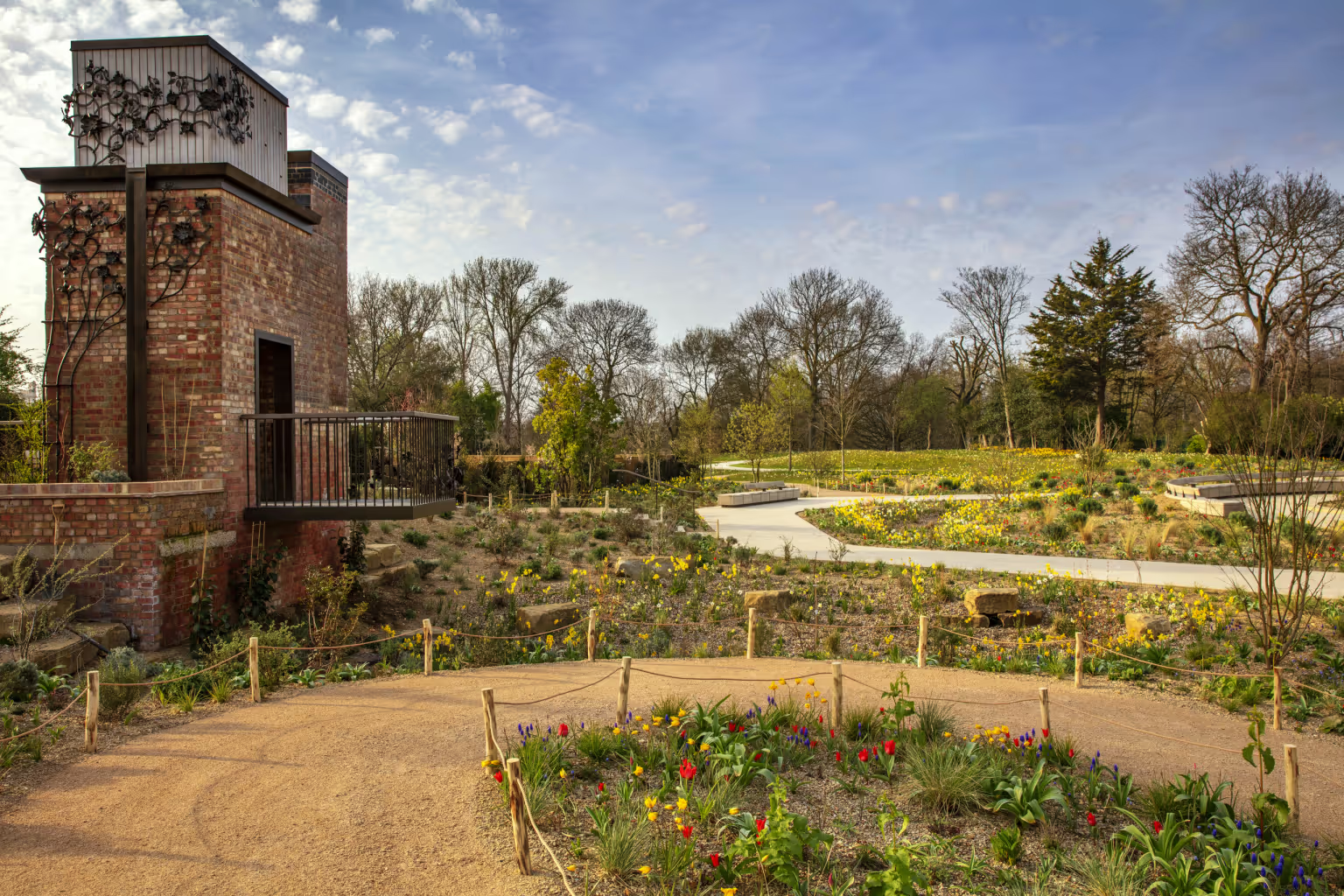
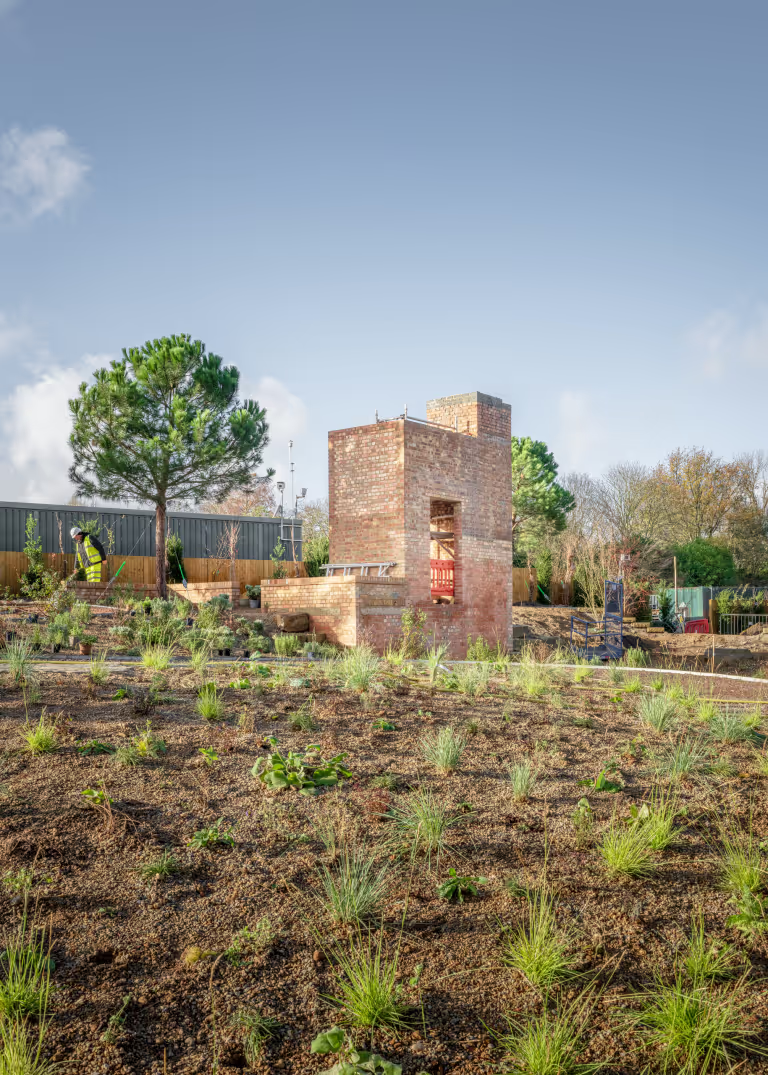
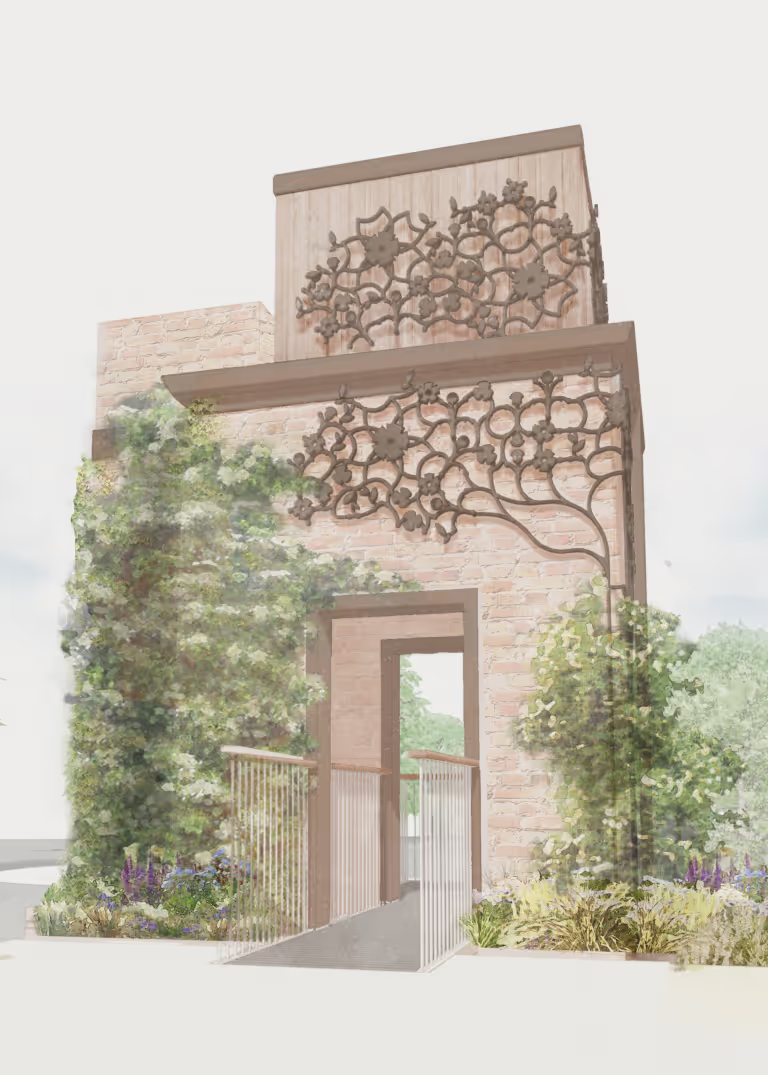
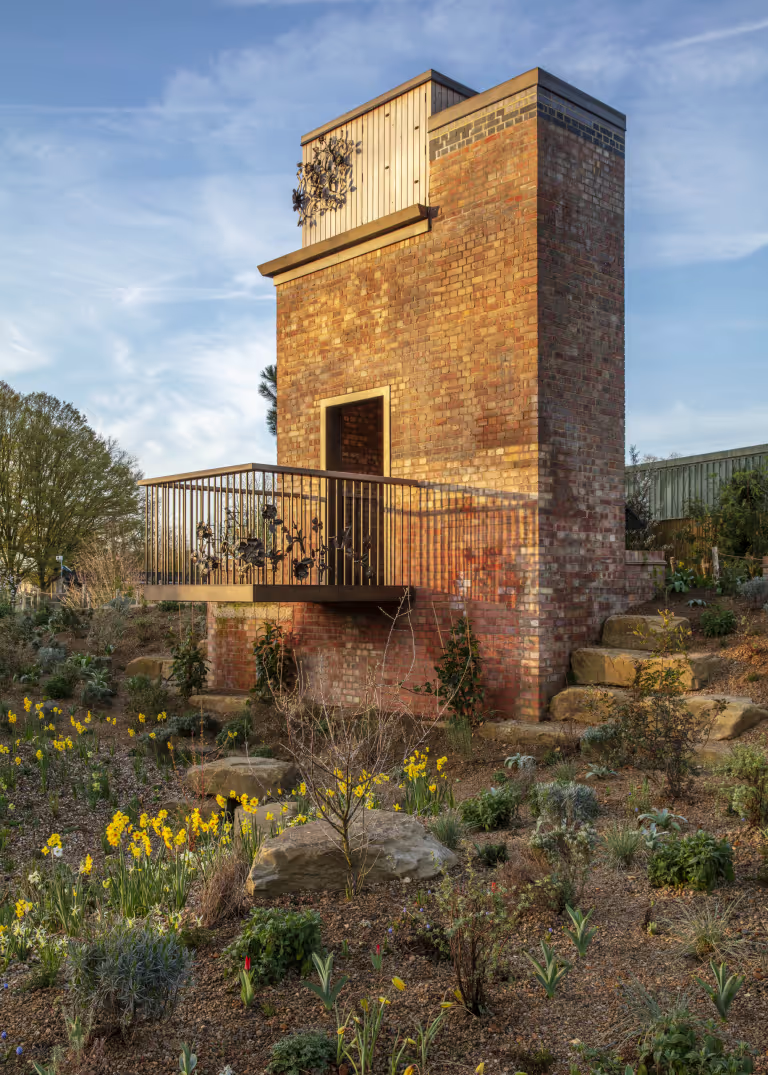
We have sensitively reimagined the 1950s water tower which served the decommissioned plant nursery. The former water tank was located on top of the tower and has been reinterpreted as a habitat box for bats and swifts. A new balcony is decked in recycled steel sections salvaged from the glasshouses that one stood here and the courtyard, at the foot of the tower, traces the plantroom as a reference to its former use. The terrace is paved in a mix of setts reclaimed from site, Portland stone from Greenwich Park and Yorkstone from The Royal Park’s store.
The Queen Elizabeth II Garden
No items found.

SuDS network

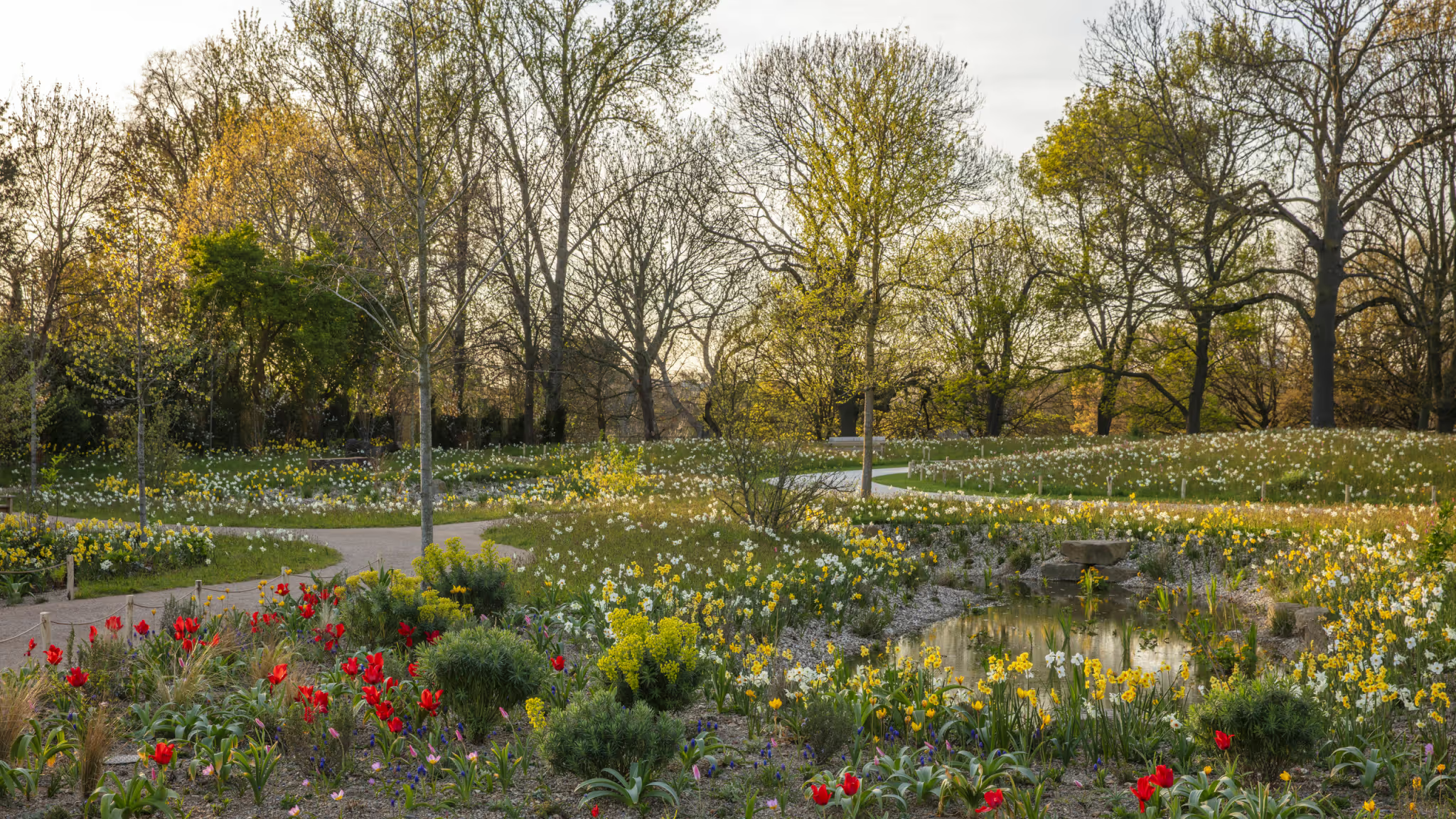
A carefully designed SuDS network provides resilience to wetter winters and storms by collecting rainwater and attenuating it through a series of connected swales – providing ephemeral ponds and a lush ribbon of moisture loving planting that runs through the garden. The former basement of the water tower also stores water collected from the adjacent barn roof for use in the garden. This approach sustainably manages water from the storeyard and the garden itself which was previously directly discharged into London’s sewers.
The Queen Elizabeth II Garden
No items found.

Summary of Environmental Achievements:
No items found.