Architecture

Upper Tuesley, Milford

How does the layout echo the historic and organic growth of neighbouring farm buildings?

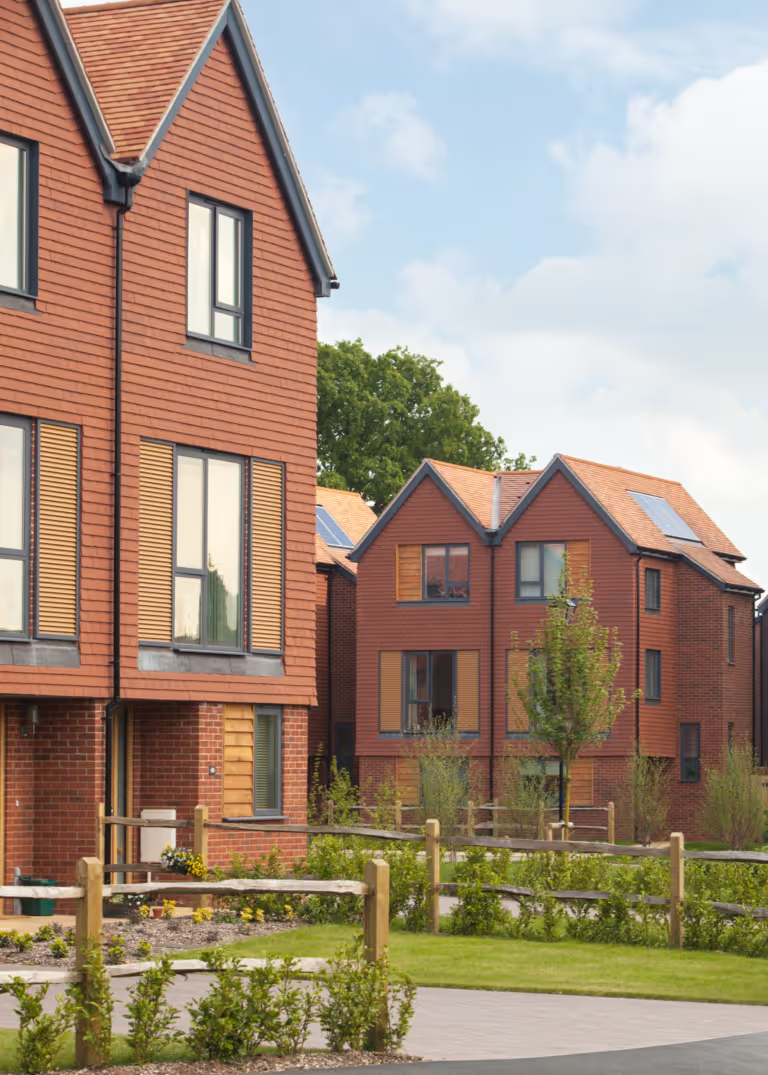
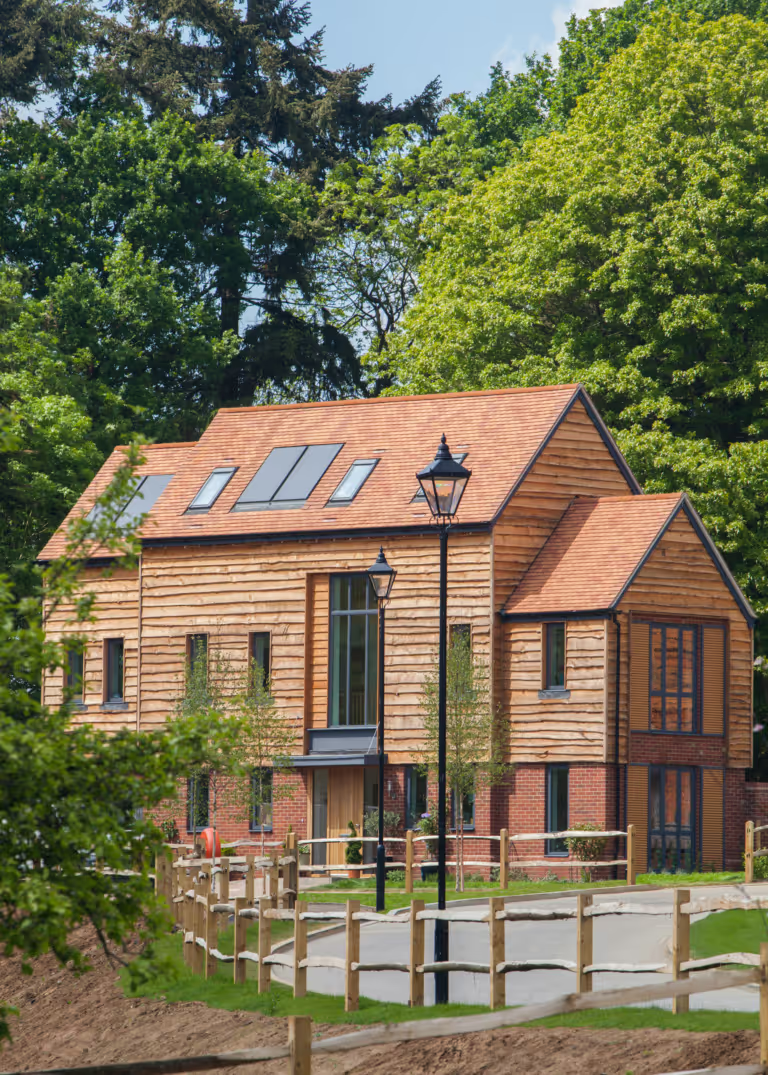
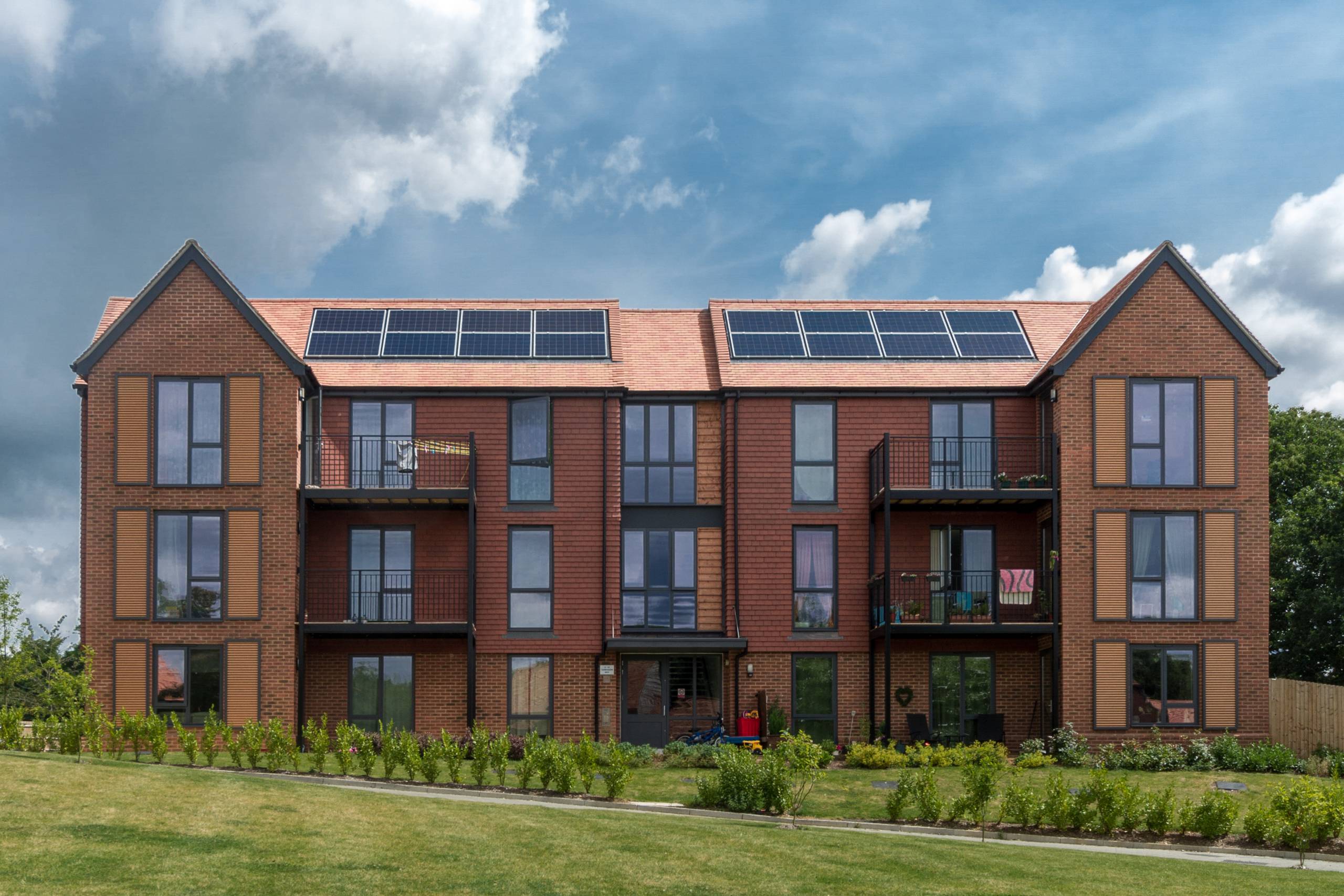
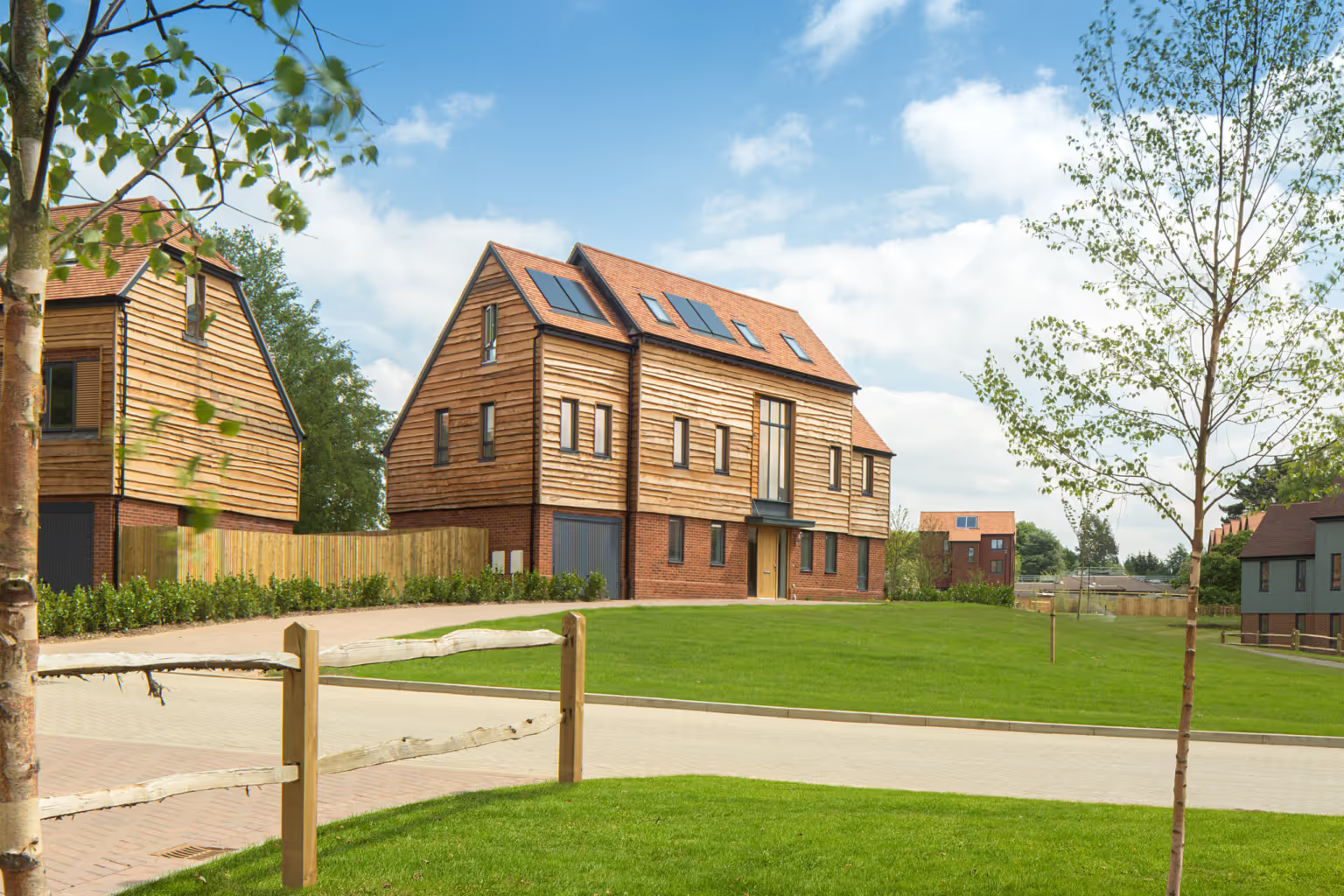
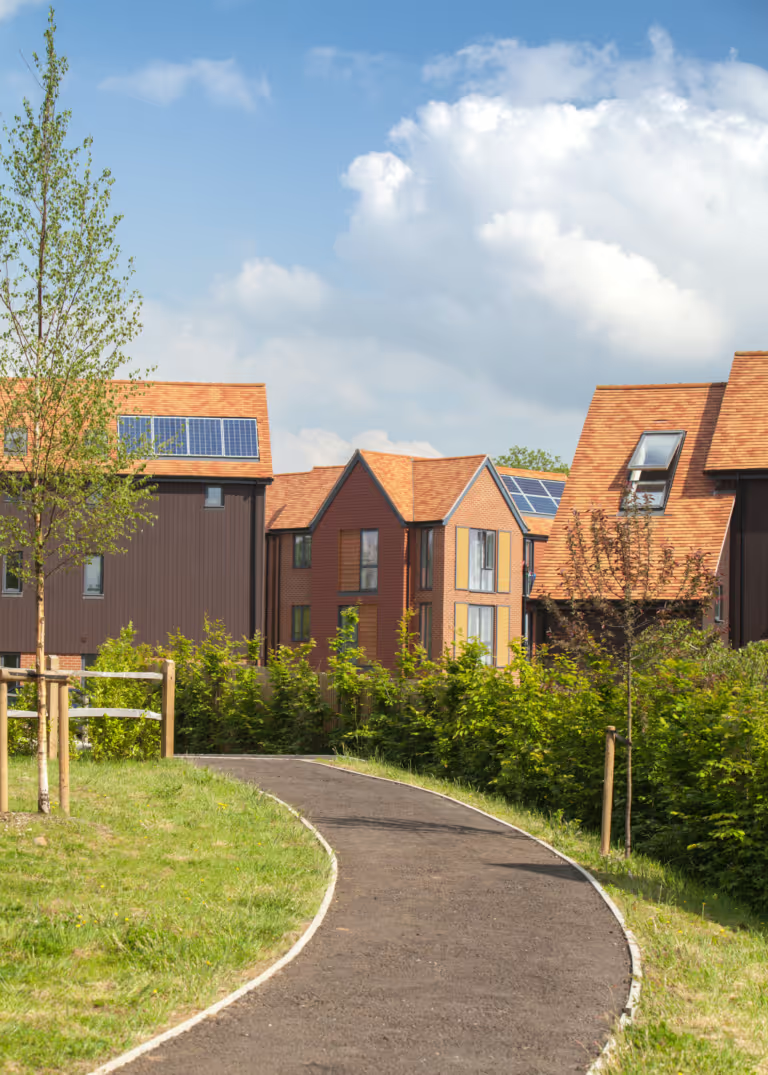
The site layout is divided into two parts. The eastern half, adjacent to the retained hospital, features formal groupings of flats, short terraces, and semi-detached homes. The area to the west, which fronts onto open countryside, is arranged in informal clusters of detached homes. These informal clusters echo the historic and organic growth of farm buildings around a central yard, examples of which exist immediately to the north and east of the site. Running between these two characters is a central spine of open space that ensures all homes enjoy a sense of their rural setting while also providing new public footpaths leading into Milford. The scale and nature of the development is suitable to its location, consisting of low-rise dwellings sitting in a verdant landscape, and taking design cues from local vernacular architecture and agricultural buildings.
Upper Tuesley, Milford
No items found.

The homes

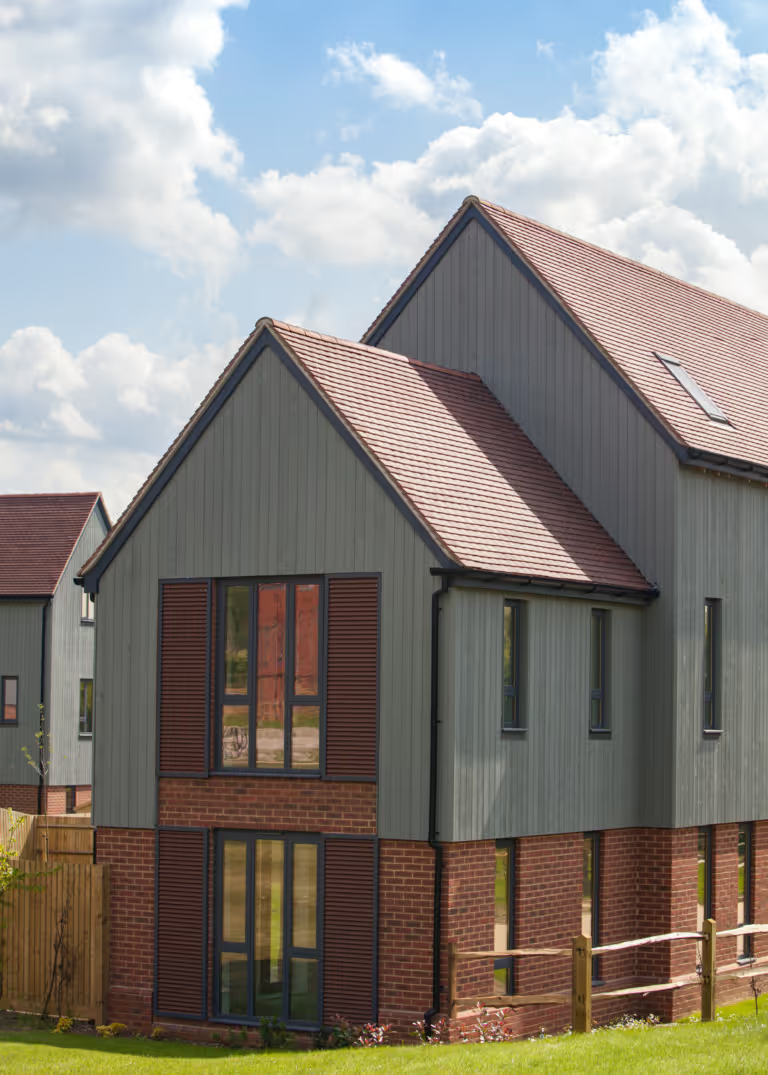
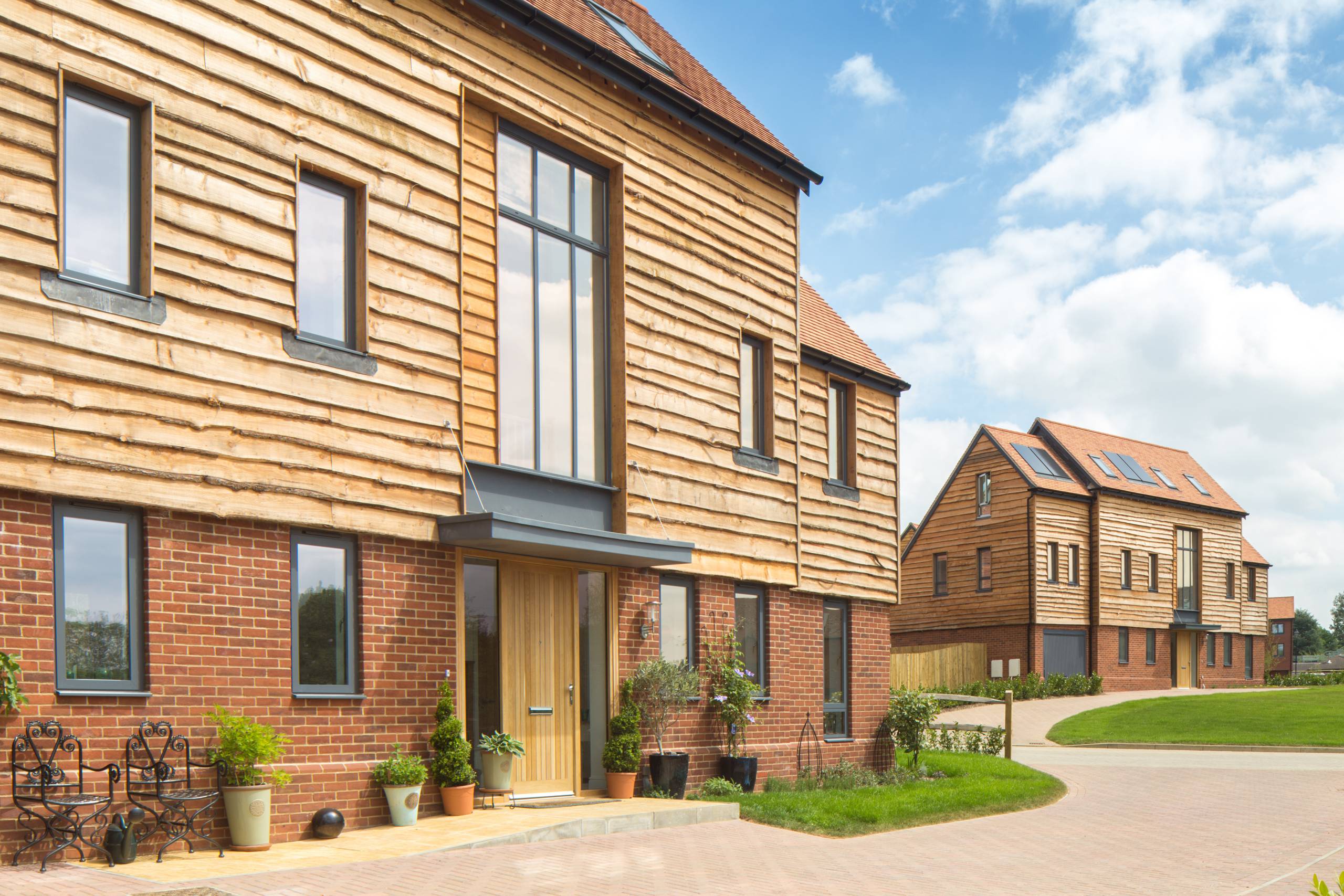
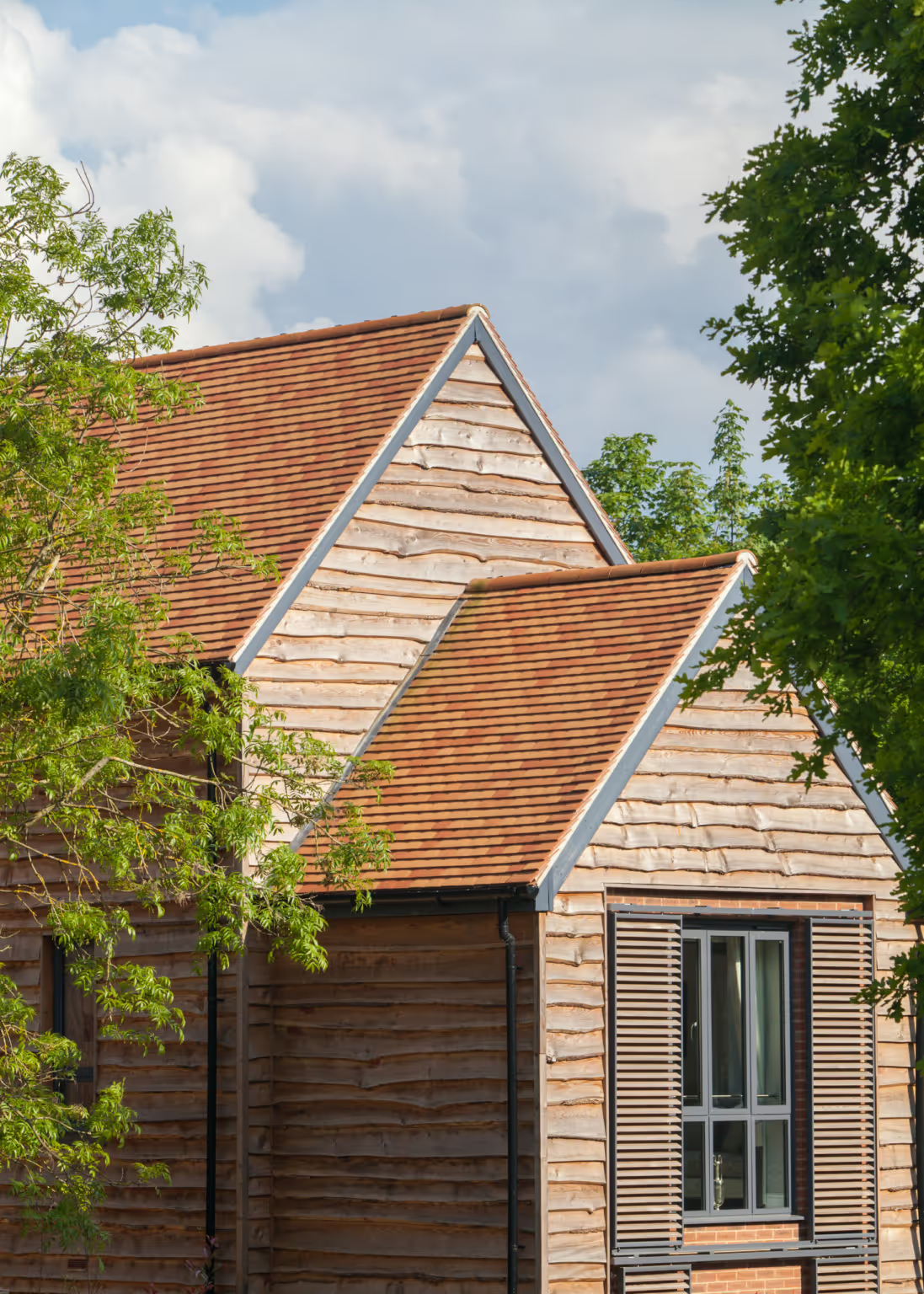
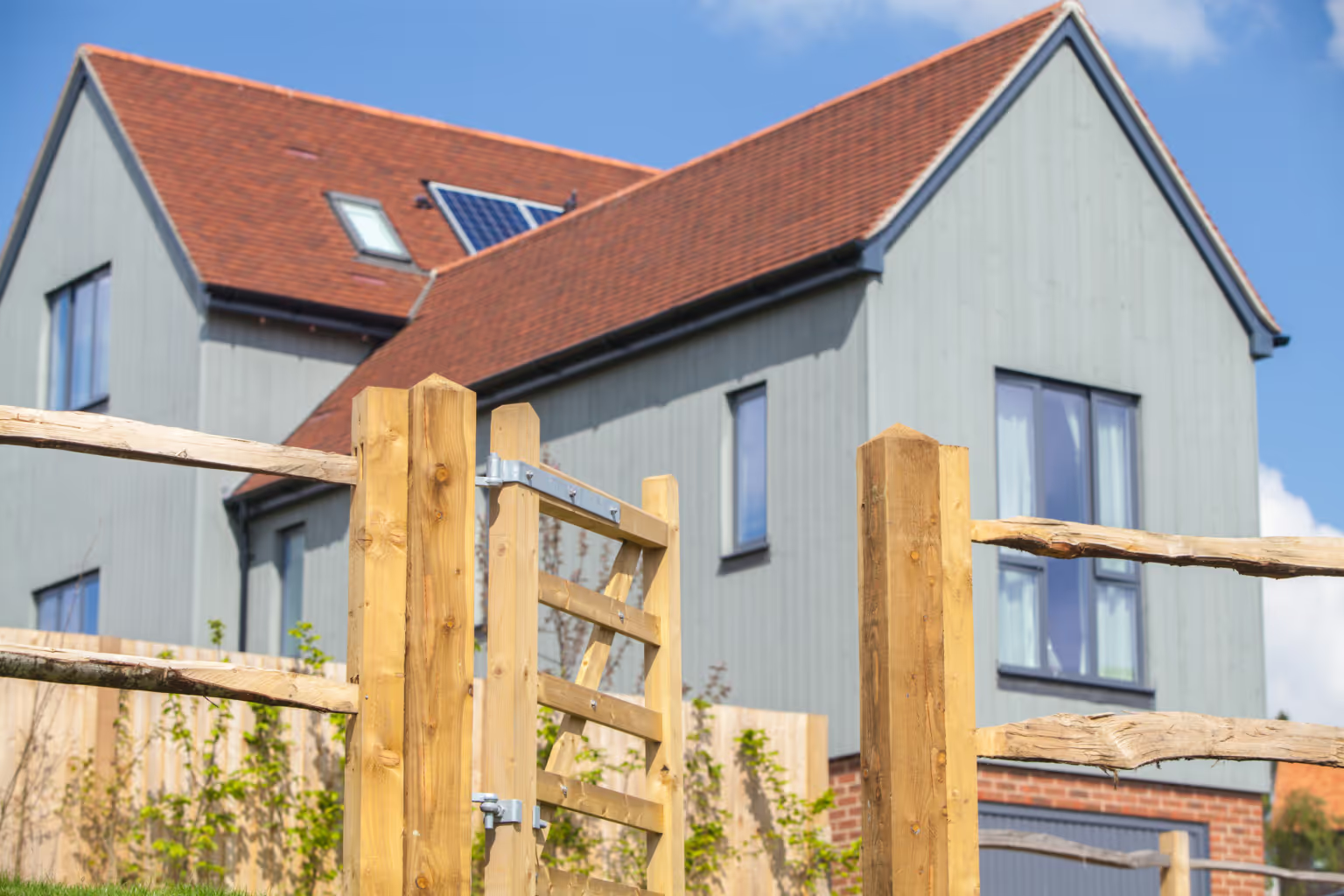
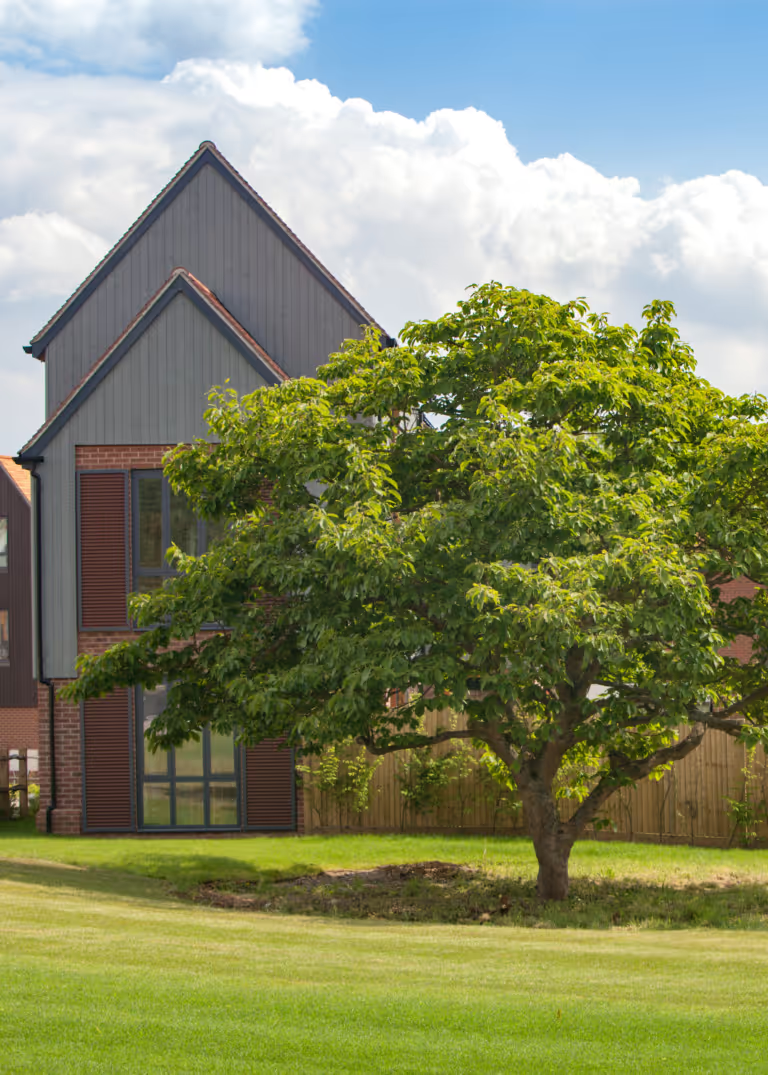
The homes are all designed to use traditional materials and details, from the palette of brick, weatherboard and tile hanging through to solid oak front doors and clipped eaves. The homes themselves are designed to reduce their footprint, limiting the impact on the land and maximising the open spaces on the site. To allow this, all homes are spread over three floors. The new dwellings have been oriented on their plots to maximise solar gains in the winter and reduce space heating demand. The living rooms are located on the first floor and benefit from views of the surrounding countryside.
Upper Tuesley, Milford
No items found.

How do custom build homes impact resident satisfaction and sustainability?

Ten of the units were offered to purchasers as Custom Build, with a wide set of choices that residents could make to customise their home before moving in. These were constructed in two housetypes, a four bedroom and a five bedroom type, and there were three versions of the layout of each home offered to purchasers. Further choices were offered in the provision of kitchens and bathrooms and internal colours. While the overall architecture of the custom build homes fits in within its context, the interiors have been chosen by each individual customer. This raises the level of customer satisfaction as they feel more engaged in the design process and feel more satisfied with their purchase. In the long term, this lengthens the life of products as purchasers feel more engaged in them. HTA believes that customisation is a very sustainable direction for the housing industry and should be adopted more widely.
No items found.

Creating a multigenerational community

There is a wide mixture of housetypes designed on the site to cater for different demographics in the community and to create a sustainable mixture of family sizes and ages, these range from one bedroom apartments to five bedroom houses. There is a mix of tenures, with a third of the homes either affordable rent or shared ownership. All homes are designed to be Lifetime Homes and offer more generous space standards than typically found in modern housing. The development has created 108 new dwellings built to Code Level 4 and 16 refurbished dwellings on a brownfield site in the green belt.
Upper Tuesley, Milford
No items found.

Sustainable innovation

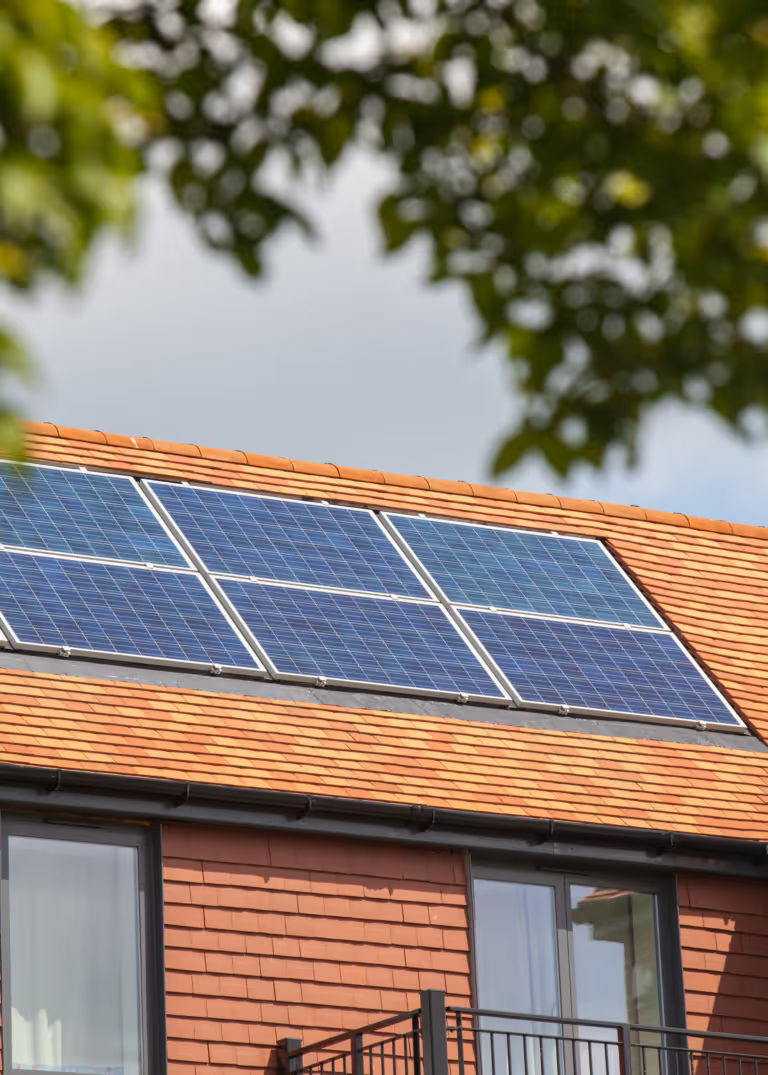
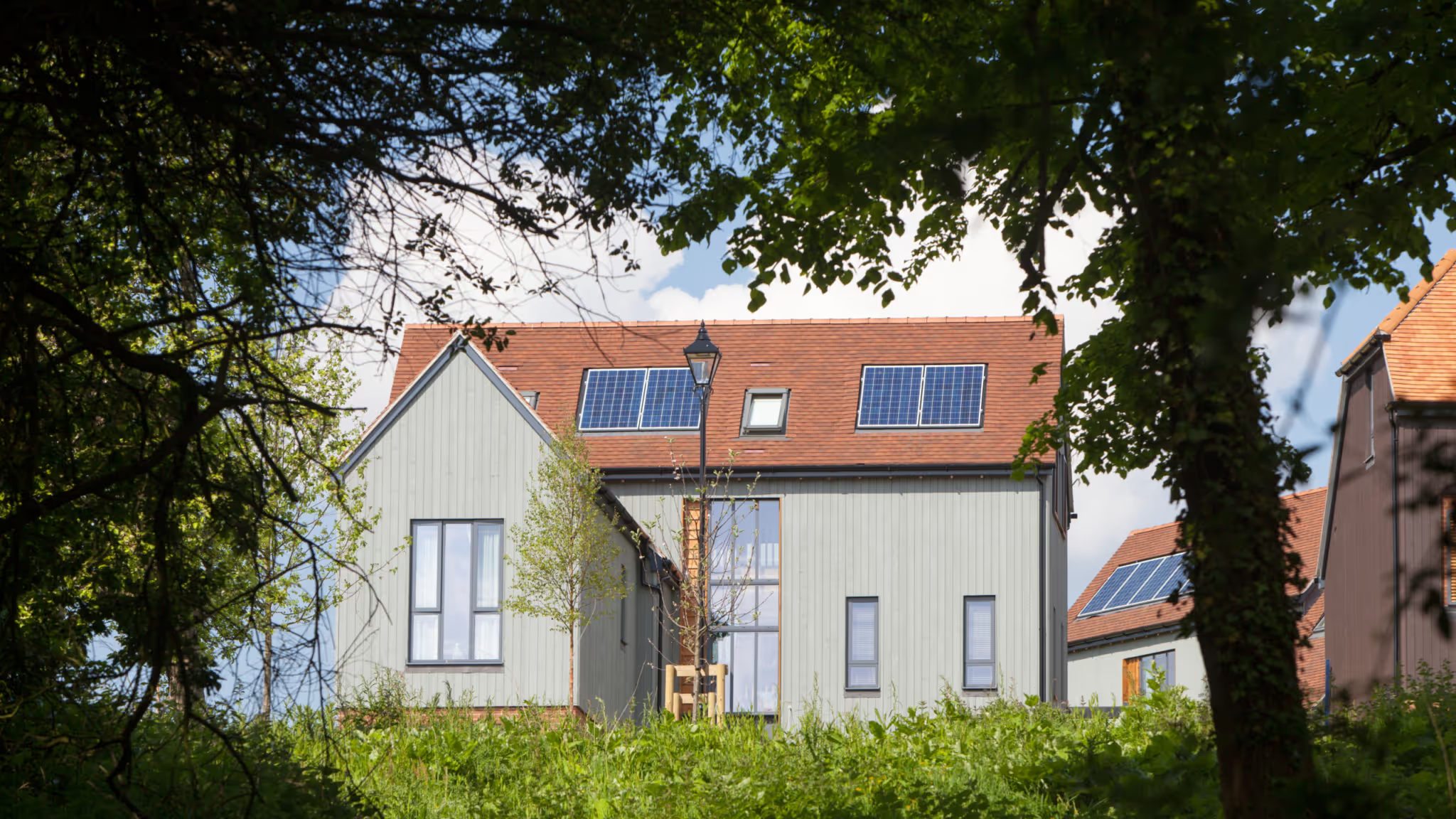
Code for Sustainable Homes – The new dwellings were constructed to achieve Code Level 4, which means that they were at least 19% more energy efficient than comparable dwellings constructed to meet Building Regulations. Renewable Energy – Photovoltaic Cells are mounted on the roof to provide each dwelling with renewable energy. This reduces the use of the grid at peak times and displaces grid electricity.Building Fabric – High quality building fabric, including high performance windows, has been used to minimise the base energy demand from the buildings. This fabric is designed to provide excellent insulation, reducing the need for heating and cooling, and thereby significantly lowering energy consumption. Water – Waste water heat recovery systems are installed to collect heat from the hot water drainage from showers, and this is recycled to preheat the incoming cold water supply to the gas boiler. These are very simple systems to install and require little or no maintenance, making them a very good long-term tool for improving energy efficiency and water efficiency in homes. Waste – Waste and recycling storage systems including food waste recycling, is provided to all dwellings. This reduces the methane emissions from food waste and increases the recycling rate. Cycling — Permanent and secure cycle storage is provided for all the dwellings, at the rate of one per bedroom. This will enable residents to use the cycle network to visit local amenities. Ecology – Our commitment to preserving and enhancing the local environment is evident in our approach. The existing trees on the site were carefully retained and protected where possible, forming a new linear park that winds its way through the development. This arrangement dictated the design of the layout of the scheme to a large degree. An existing orchard is retained and extended in the scheme to maintain the character of the landscape and to provide local food. 400 new trees, including mainly native species, have been planted to further enhance the local landscape and provide additional ecology habitats and biodiversity. This is our way of ensuring a greener, more sustainable future for all.
Upper Tuesley, Milford
No items found.