Architecture

3 & 15 West Lane

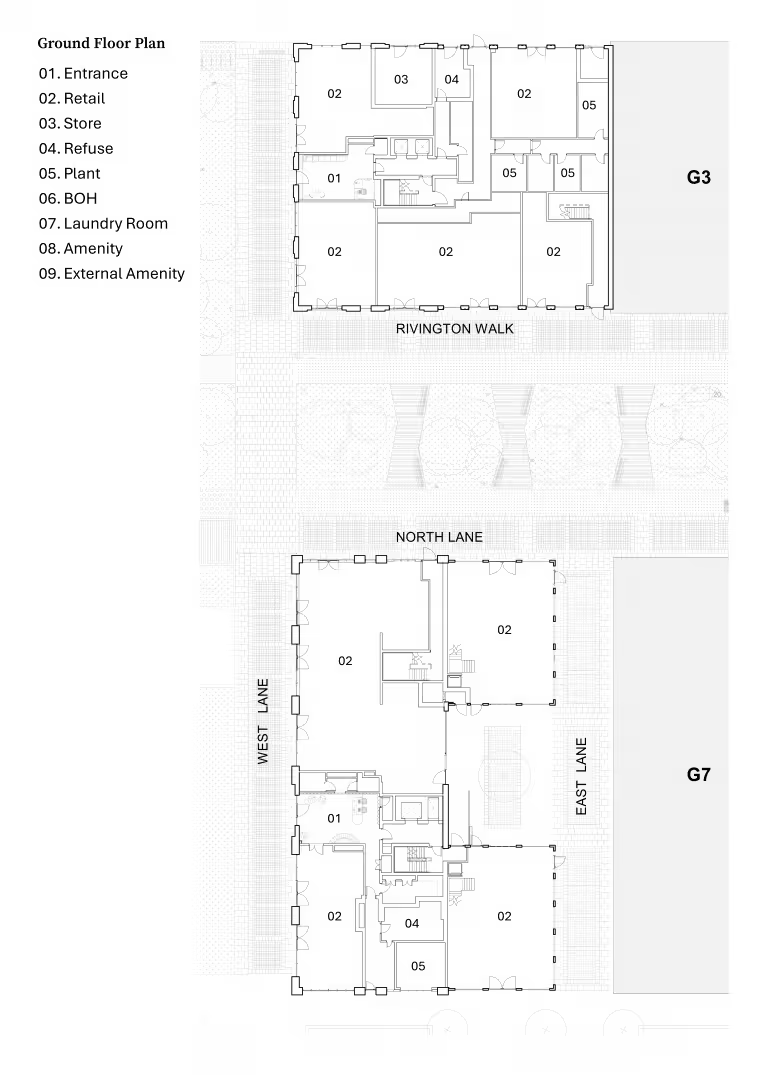
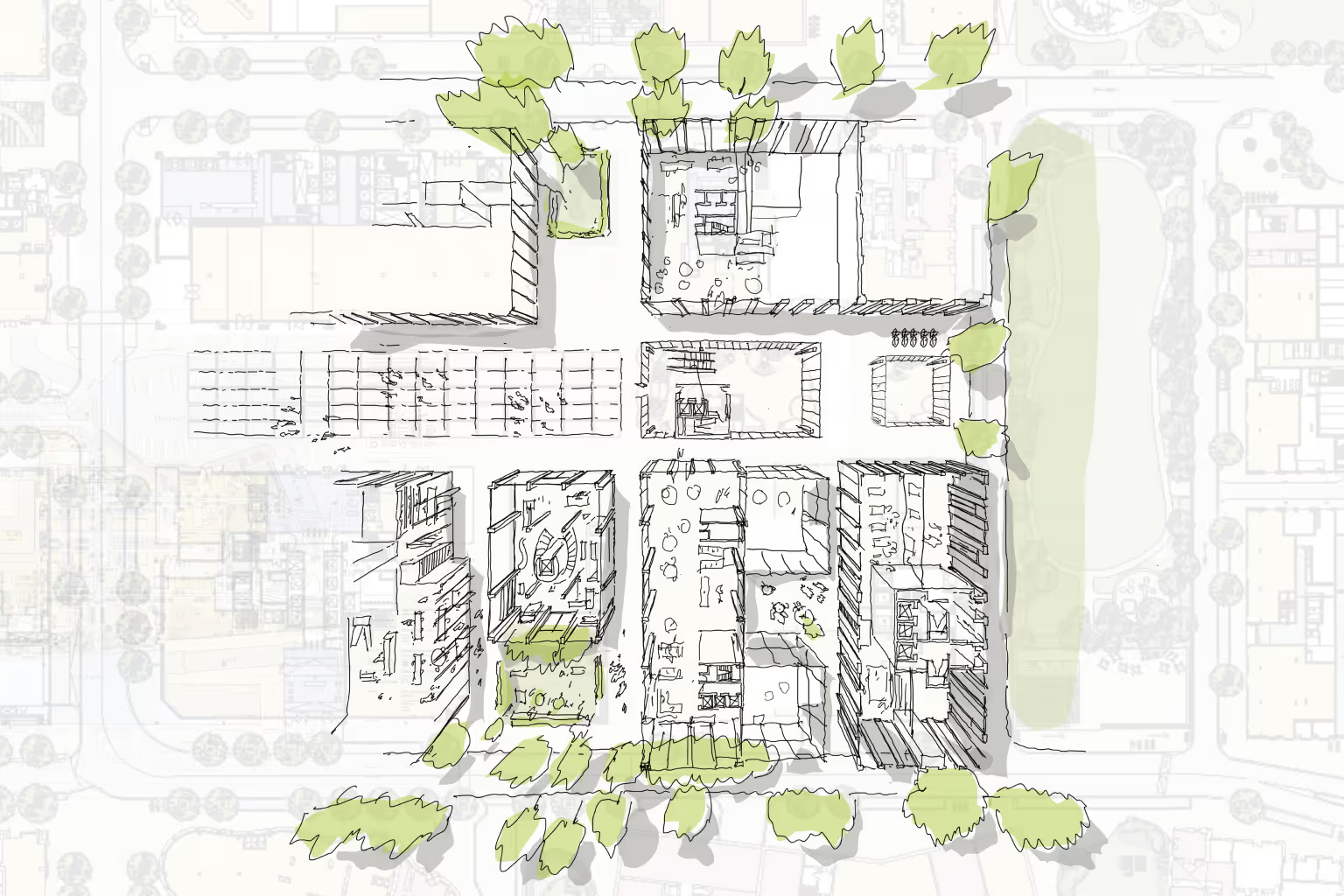
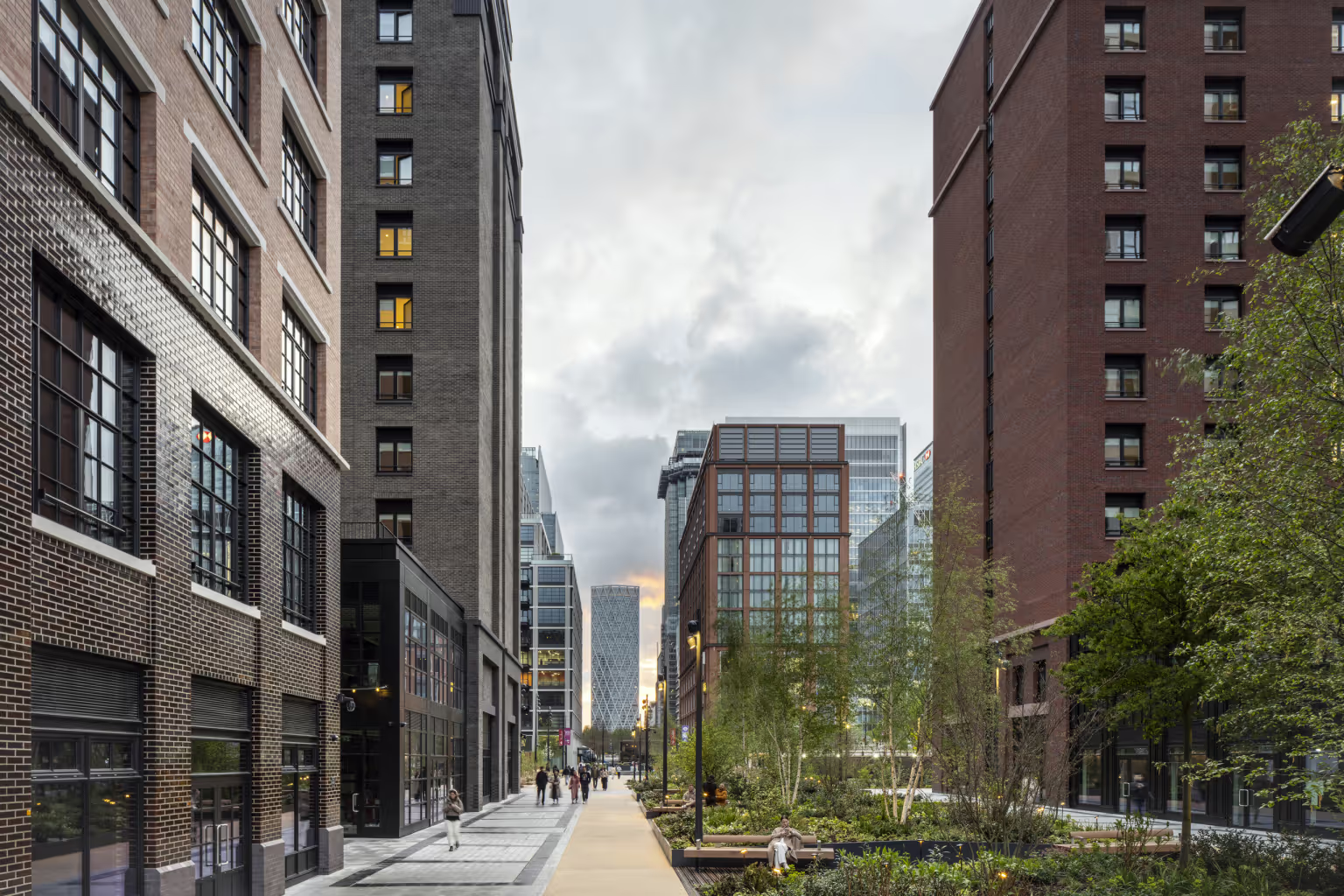
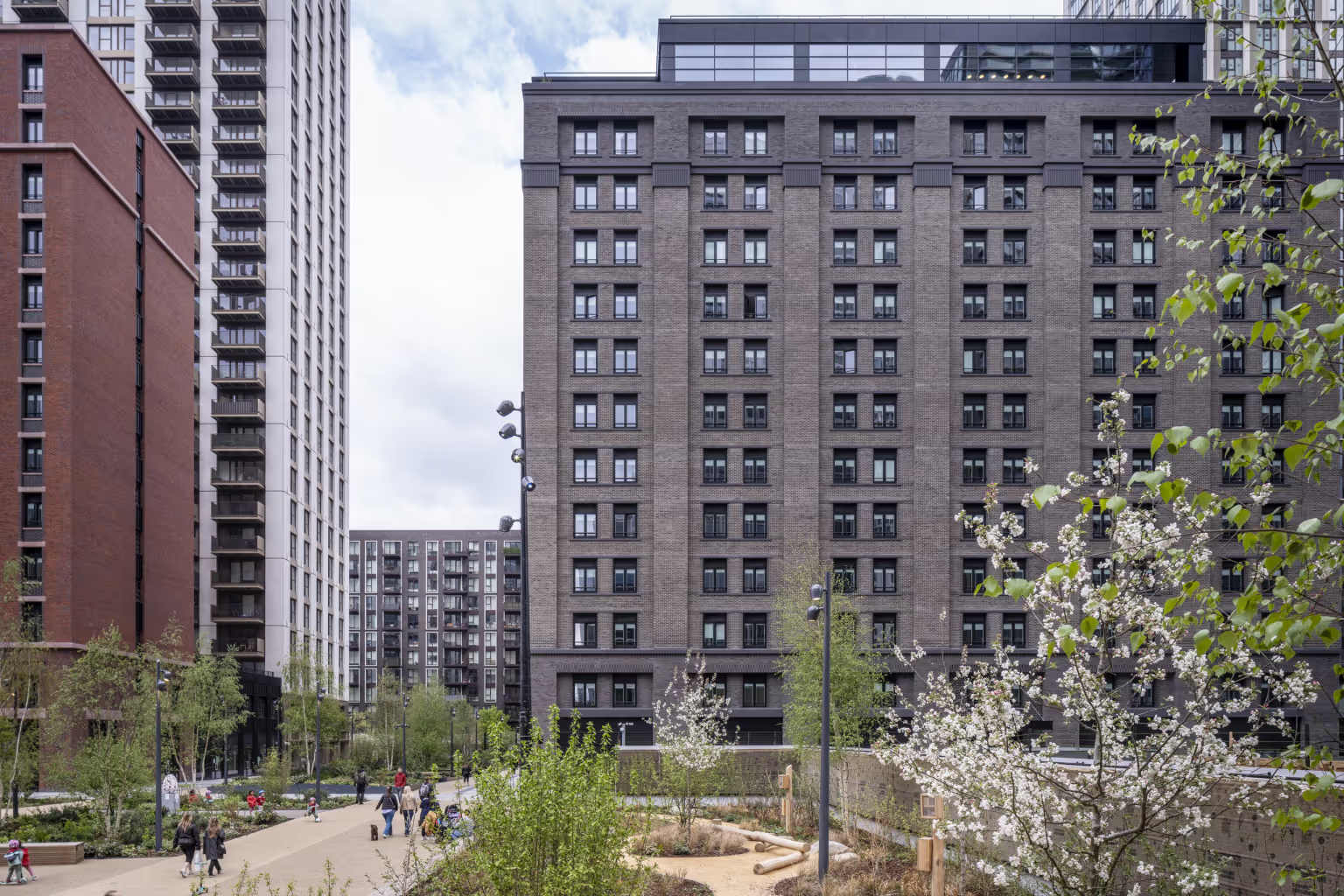
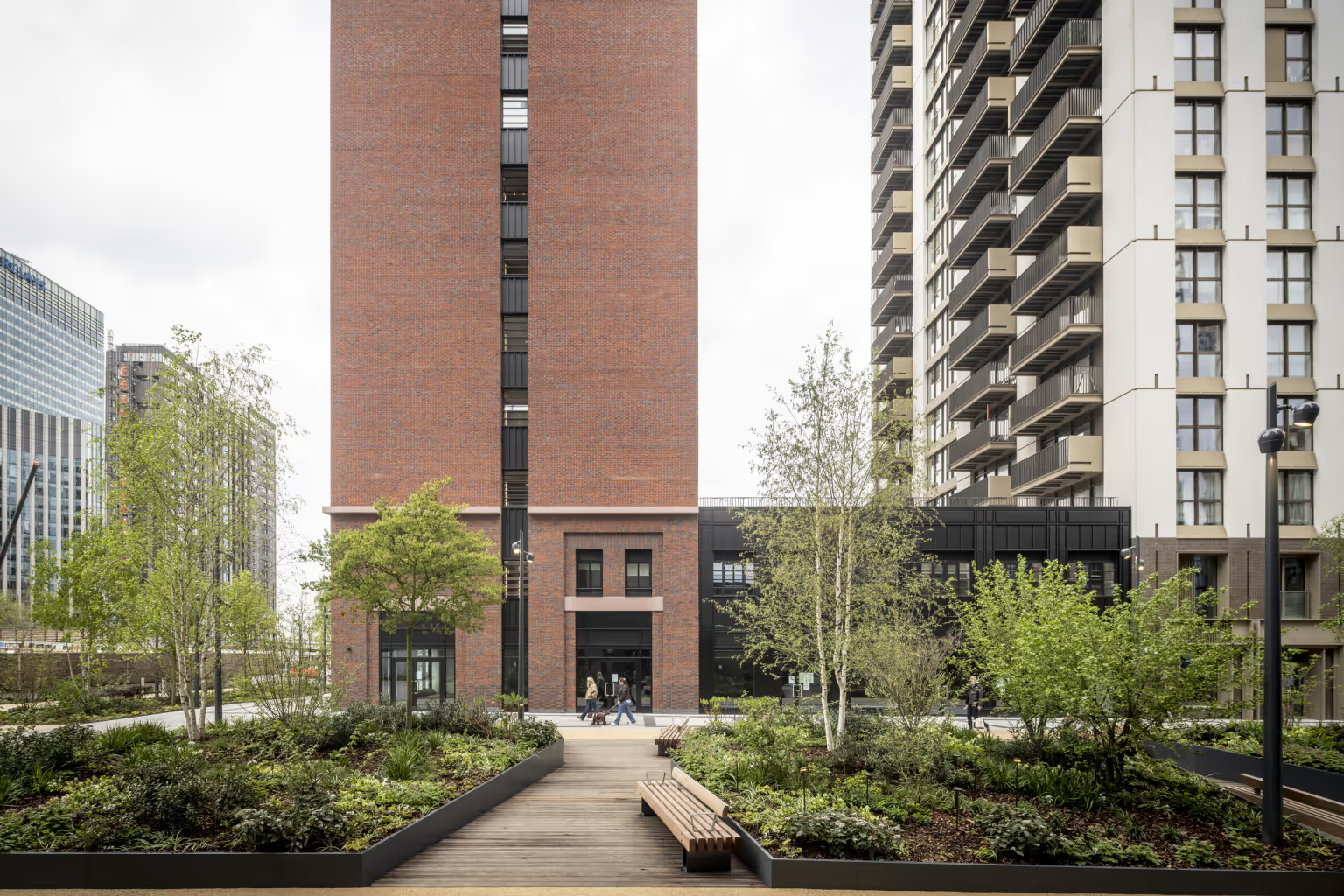
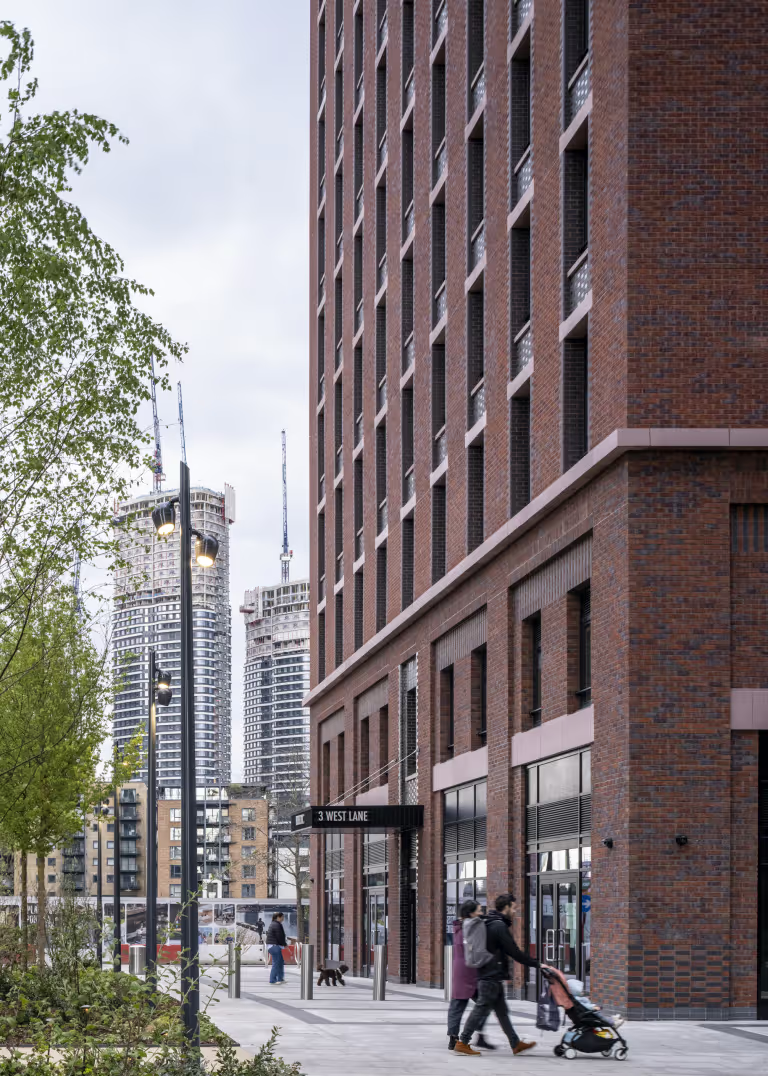
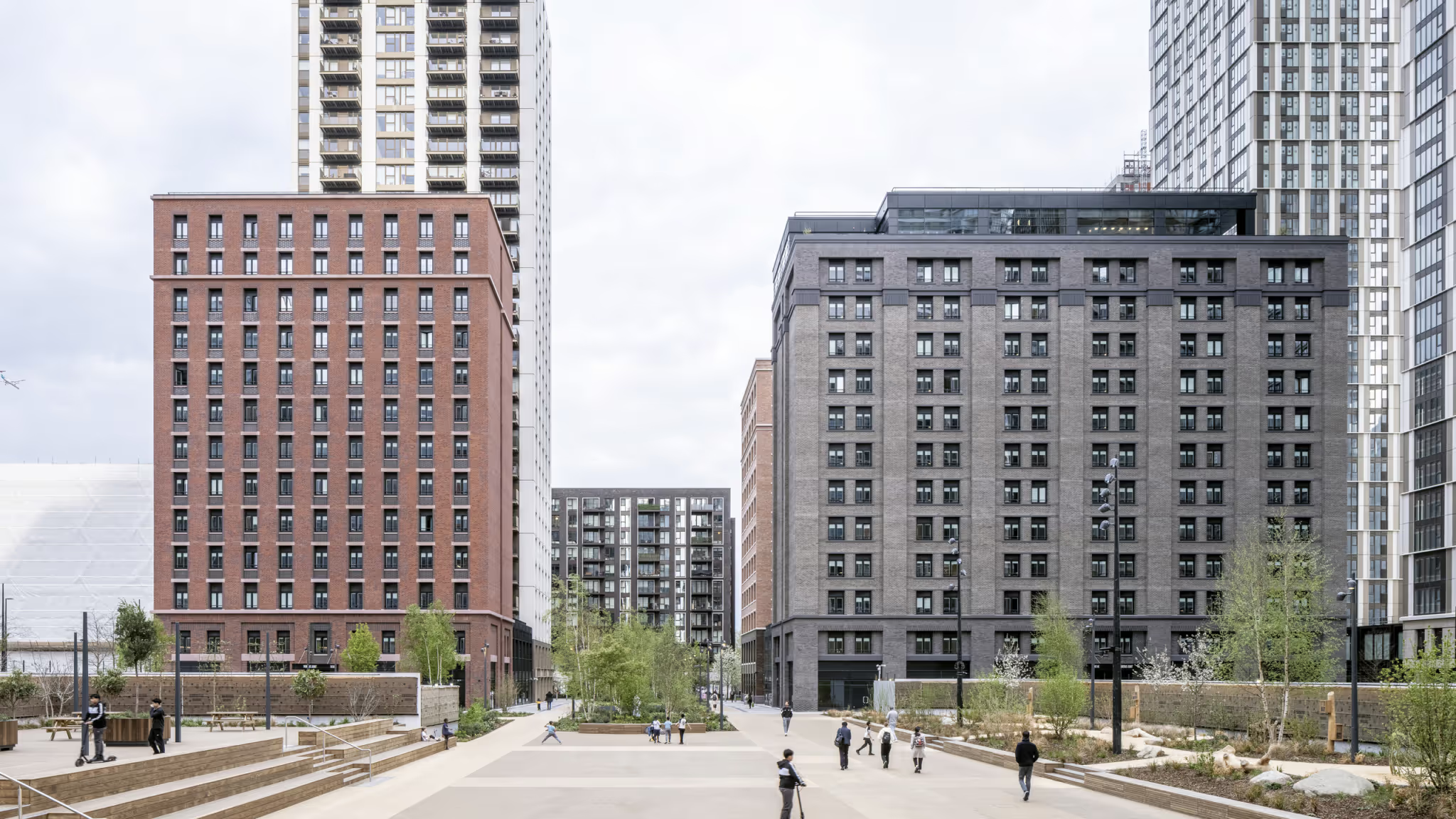
Wood Wharf is a major 23-acre mixed-use development on the Isle of Dogs, adjacent to Canary Wharf. Designed as a new urban quarter, it brings together homes, offices, retail, and public spaces to create one of London’s most ambitious neighbourhoods. Located within the masterplan, 3 and 15 West Lane occupy prominent plots within ‘The Lanes’ – a pedestrian-oriented network of streets and public squares. 3 West Lane is conceived as a tall, slender block marking the edge of Union Square, while 15 West Lane is a broader, lower building addressing Bellevue Place. Together, their forms enhance the legibility of the masterplan, reinforcing the public realm and supporting movement through the site.
3 & 15 West Lane
3 & 15 West Lane
3 & 15 West Lane
No items found.

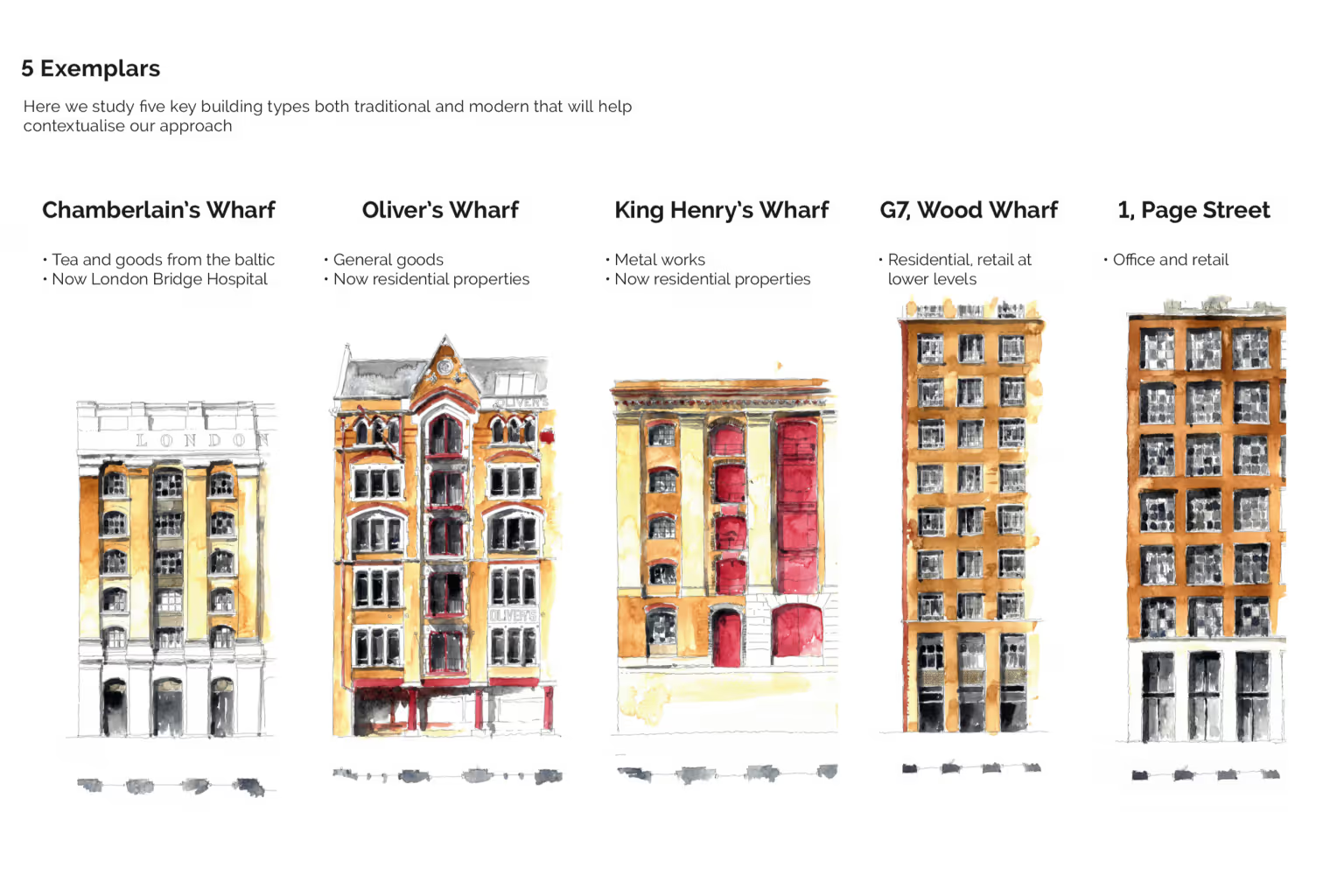
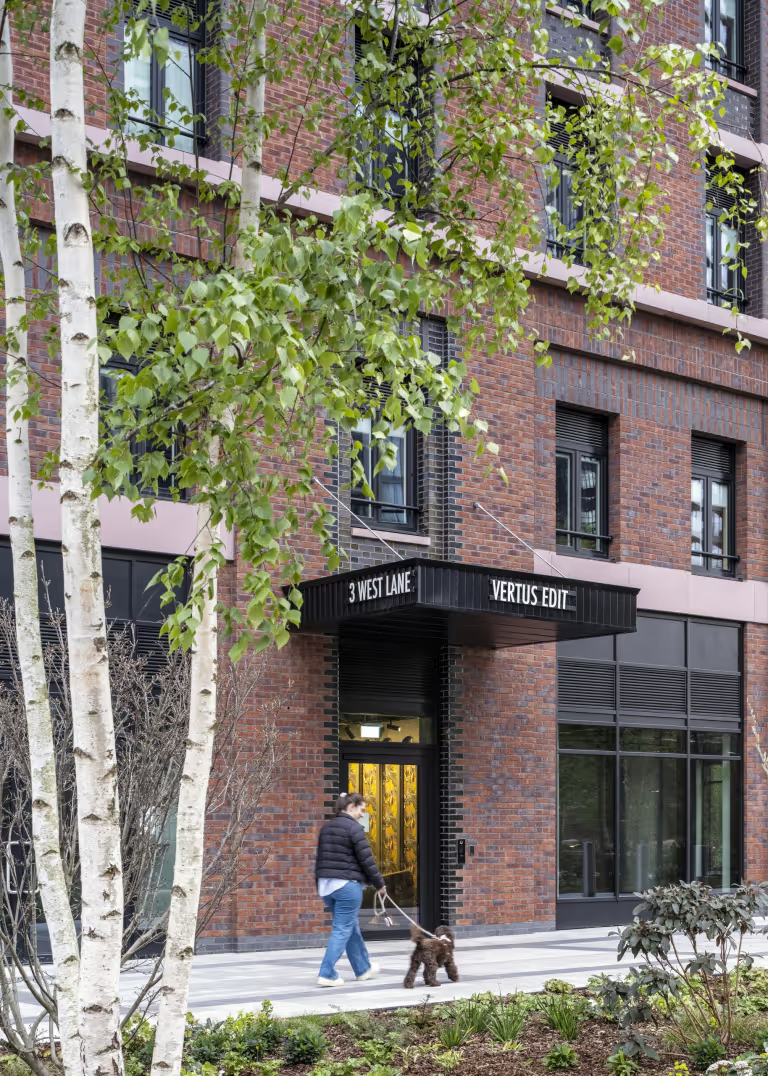
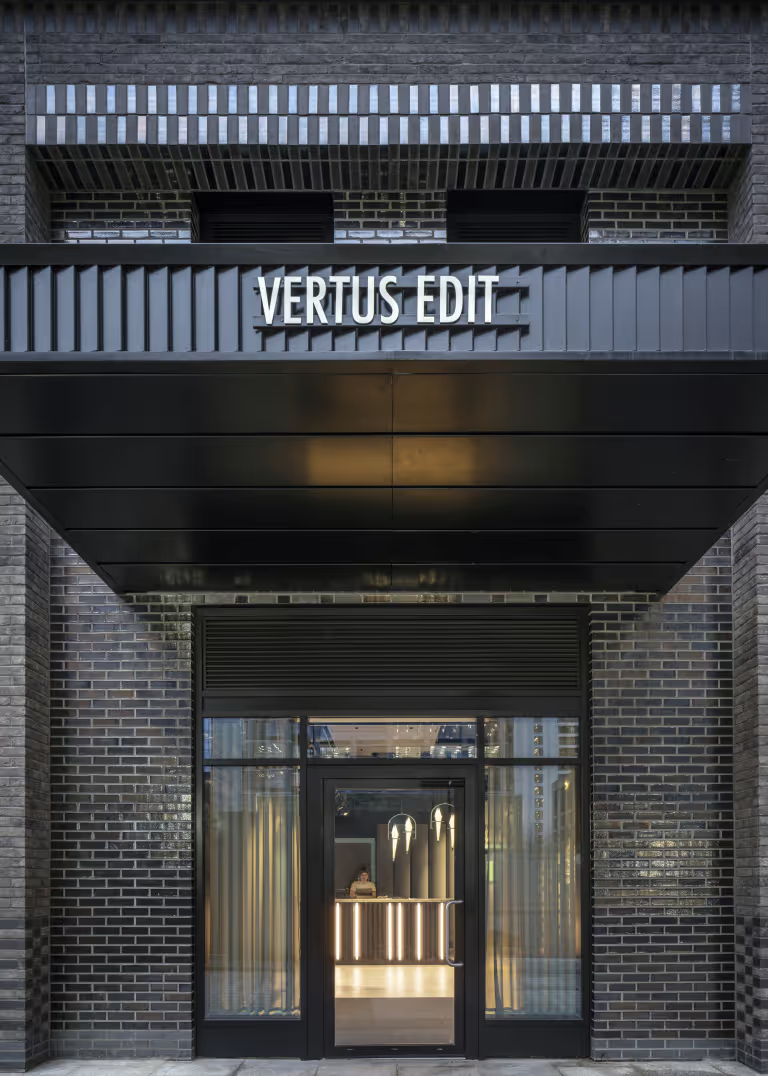
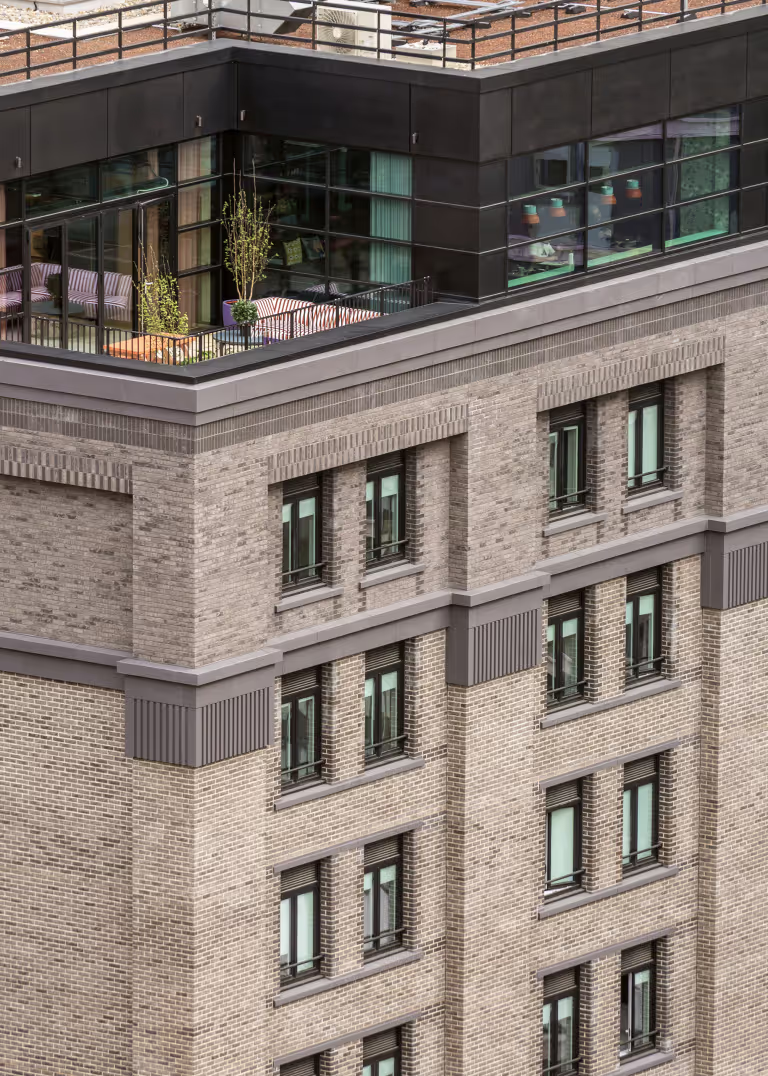
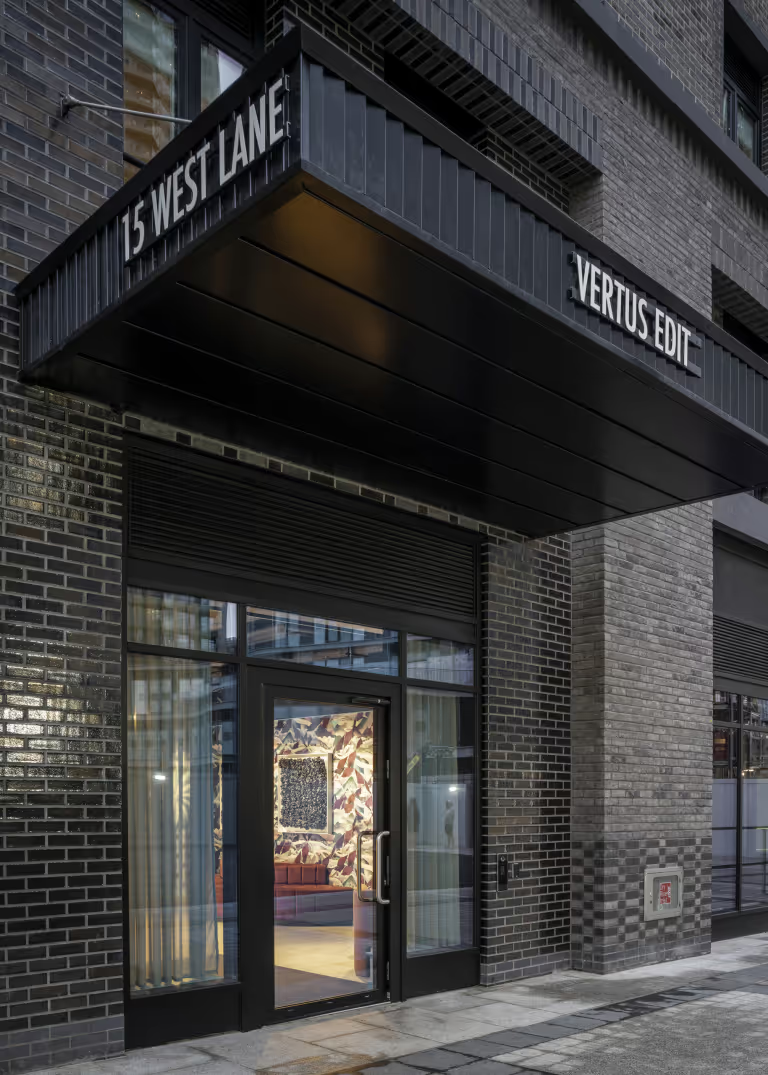
The design reflects lost warehouse architecture, now re-instated as an important part of Canary Wharf’s heritage and legacy. Historically, the area was a series of basins, locks and docks built during the 19th century when London was a key port and the Isle of Dogs was a focal point of Britain’s shipping industry. The design team undertook detailed research into riverside warehouse typologies along the Thames, using examples from London Bridge to the Isle of Dogs to develop a historically plausible aesthetic for a site where little original dockside architecture remained. The facade is predominantly brick, with pre-cast concrete string courses, cills, lintels, and capitals. Juliet balconies are integrated into the façades to provide visual connection to the outdoors while maintaining a compact footprint.
3 & 15 West Lane
3 & 15 West Lane
No items found.

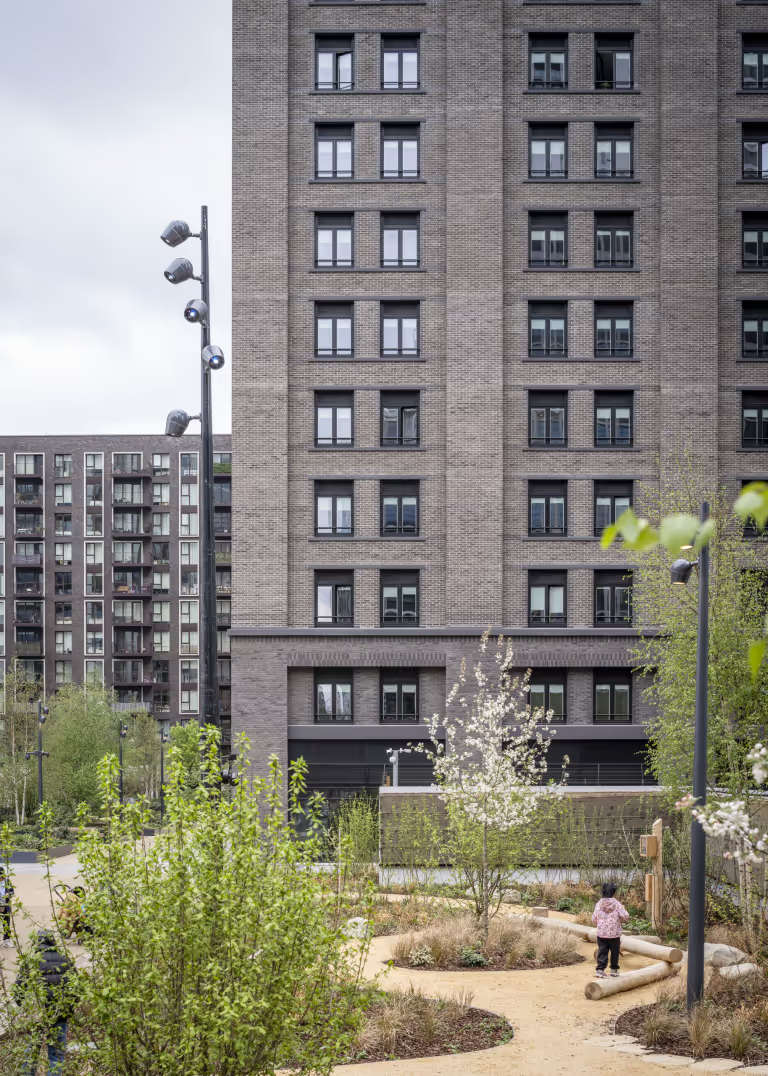
Each elevation is organised into a base, middle and top, articulated through changes in height, façade rhythm and detailing. Red and brown multi-stock brick forms the primary external material, with deep window reveals, horizontal banding and regular punched openings. The facades also reflect a conscious return to a traditional hierarchy of expression, more detail and articulation at the front, less at the side, and minimal treatment at the rear. This approach contrasts modernist uniformity and instead follows the warehouse logic of addressing the street while economising elsewhere.
3 & 15 West Lane
3 & 15 West Lane
No items found.

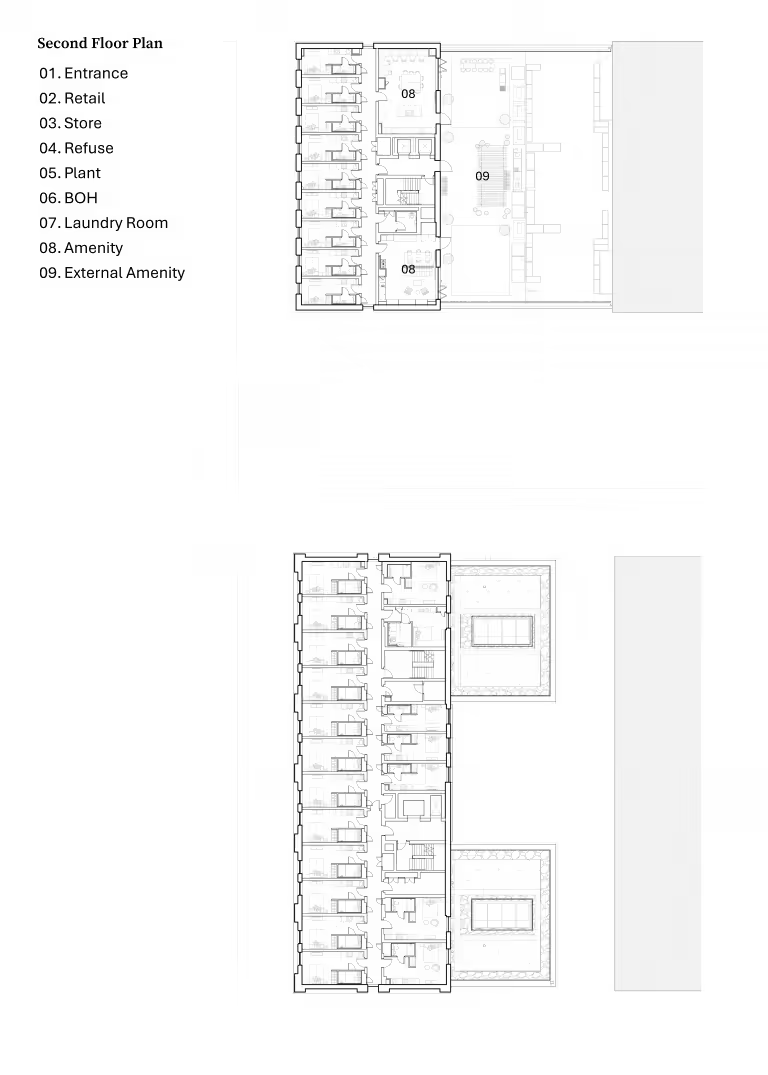
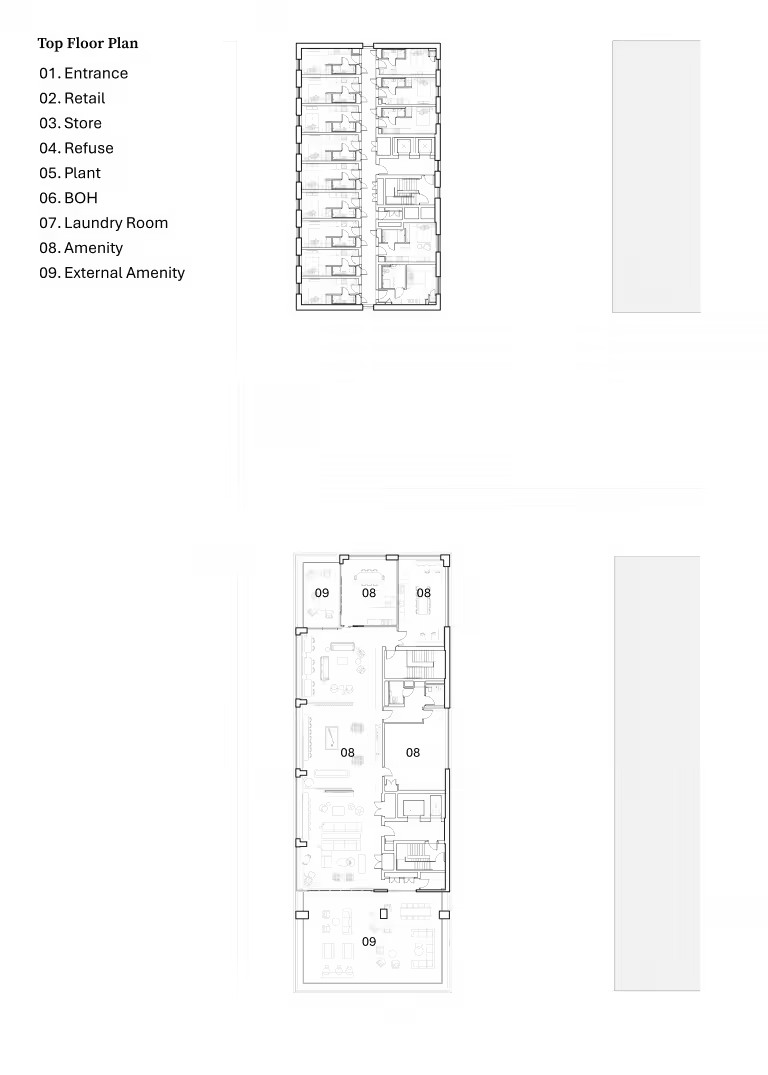
Internally, the planning supports a wide range of resident needs, from professionals and students to downsizers and visiting families. The studios are designed with flexibility in mind, enabling different forms of occupation without requiring structural adjustment, an approach that mirrors the adaptive robustness of warehouse architecture.
3 & 15 West Lane
3 & 15 West Lane
3 & 15 West Lane
No items found.

The buildings achieved BREEAM ‘Excellent’ and sustainability strategies have been incorporated throughout. The rooms have been designed with fully openable windows to avoid the need for mechanical cooling and have been designed into the corridors and lift lobbies to bring in daylight and minimise the reliance on artificial lighting. Window reveal depths have been determined depending on the elevation of the building; on the western side, reveals are deeper up to one and a half bricks to help mitigate against solar gain, while on the eastern side where buildings are shaded by taller buildering, reveals are shallower.
3 & 15 West Lane
3 & 15 West Lane
No items found.

These two buildings represent a distinct contribution to the Wood Wharf neighbourhood, which on completion will deliver 3,600 new homes, 2 million sq ft of office space, 350,000 sq ft retail space, and more than 9 acres of public spaces, squares, and parks, along with a GP surgery and school.
3 & 15 West Lane
3 & 15 West Lane
3 & 15 West Lane
No items found.